
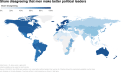

Why do so many academic histories, popular books and museum exhibits celebrate exceptional ‘kick ass’ women, while minimizing patriarchy? It may feel empowering, exciting and rebellious, but such narratives are often grossly misleading. They blind us to colossal progress towards gender equality in some world regions, alongside persistent patriarchy elsewhere. Today, let’s examine why gender studies went so wrong, and how we might study patriarchy with open-minded empiricism.
An Intellectual History of Pink-Washing Patriarchy
Feminist scholars of the 1970s and ‘80s often wanted to show that patriarchy was not inevitable, but rather another world was possible. They scoured the ethnographic records for small-scale egalitarian societies, celebrated ancient ‘matriarchies’, and pointed to ancient goddess-worship.
Looking back at the European past, gender historians sought to highlight women’s historic agency, importance, wealth, and labour. This scholarship was often motivated by a feminist desire to counter past erasure and show that women mattered. But as Judith Bennett (2006) brilliantly argued, while it may feel empowering to document female agency and rebellion, this minimizes historic patriarchy.
Thankfully, patriarchy has largely been emasculated in most advanced countries. Challenges persist (such as women predominating in firms with greater flexibility and lower productivity), but pale in comparison to the moral gravity of femicides and arranged marriages. Yet the same violence, abuse and male-dominance that would provoke virulent critique in the West are sometimes ignored, or even defended elsewhere. Captured concubines in Persia are celebrated as strategic, modern Cairene women who embrace obedience and seclusion are heralded as ‘agentic’, while laws banning female genital mutilation are condemned as ‘stigmatizing’.
What on earth went wrong? Western feminists gain moral prestige by ‘punching up’ and criticising male hierarchies at home, but are often reluctant to scrutinize gender norms in other societies for fear of being branded neocolonial or racist. Elites in the Global South may downplay patriarchal oppression in their own countries, wary of being cast as ‘backward’. Globally-comparative analysis of gender is thus taboo.
Yet if we actually want to advance gender equality, we need to get real. We need to stop pink-washing patriarchy, and embrace an open, empirical enquiry.
Medieval Europe
The British Library’s exhibition on Medieval Women showcased a tremendous collection of manuscripts and artefacts, demonstrating women’s prominence, but almost to the point of sugarcoating 15th century misogyny.
Yes, Christine de Pizan wrote the Book of the City of Ladies, asserting women’s equal competence. But she faced an uphill struggle. Before mass printing, each manuscript had to be transcribed by hand, and every major institution was dominated by men.
Head into any Western bookshop and you’ll find celebrations of “bad ass” women from the past, but these are slim pickings. In a database of almost 59,000 European university teachers and academy members active before 1800, there were just 108 women.
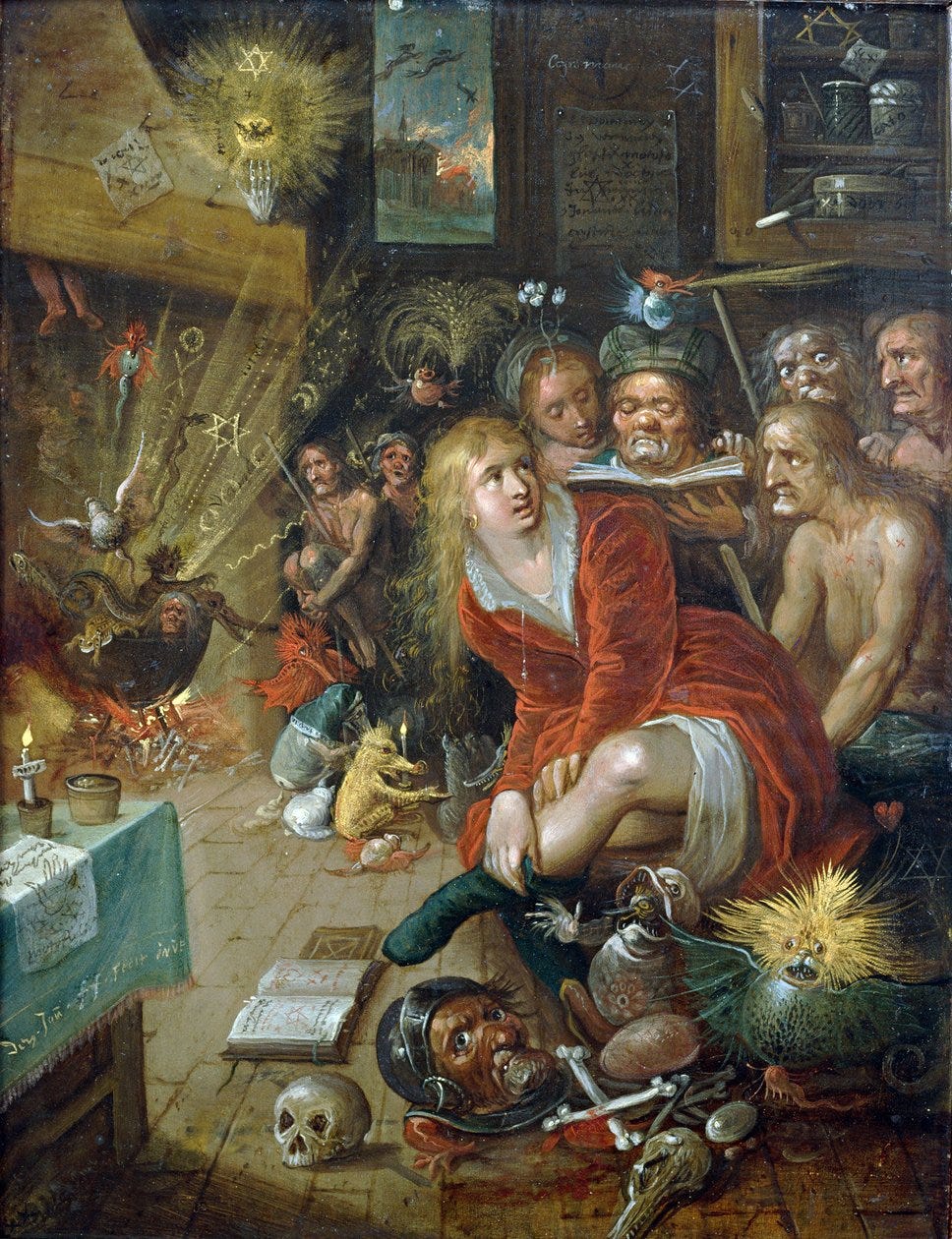
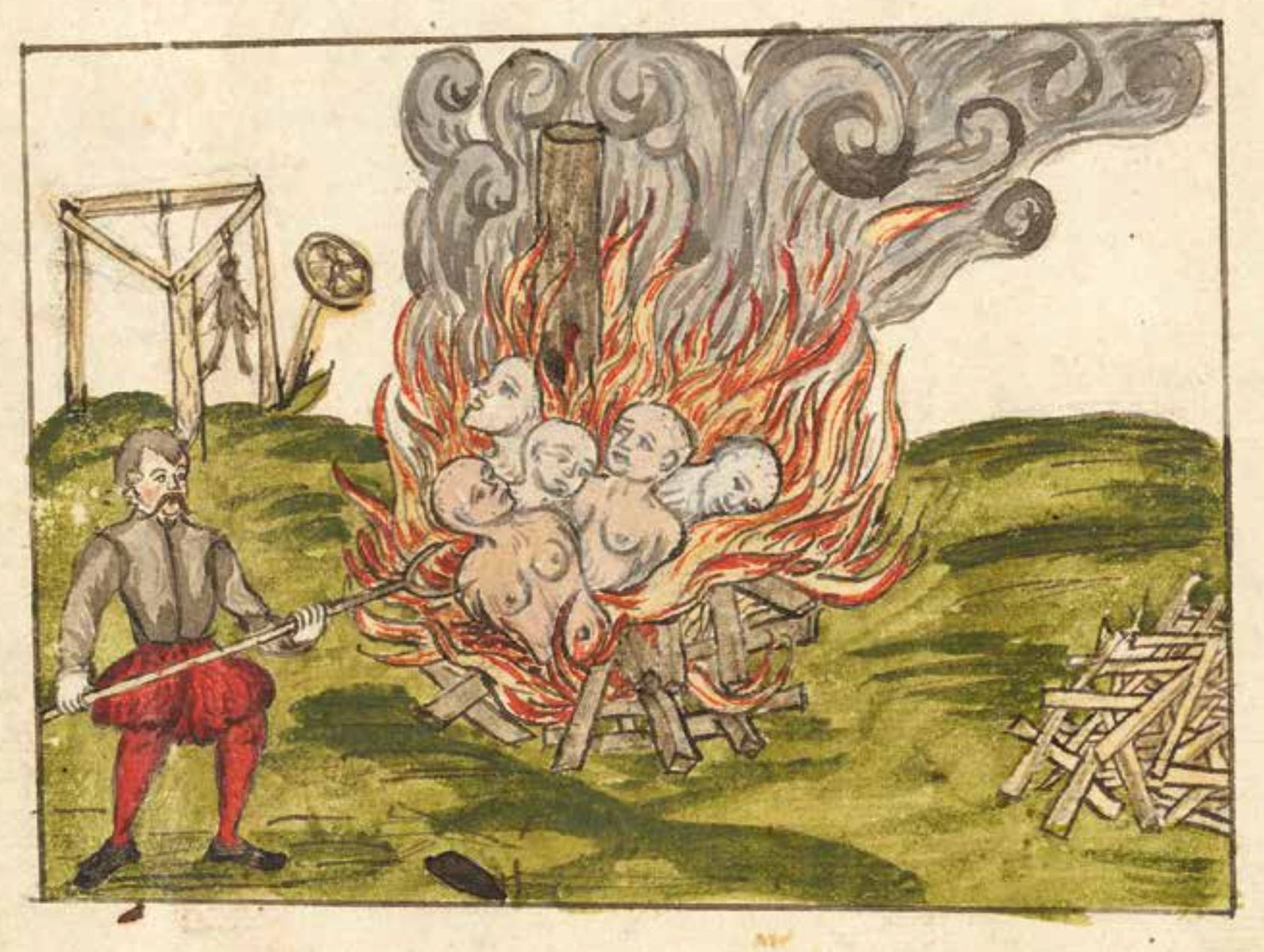
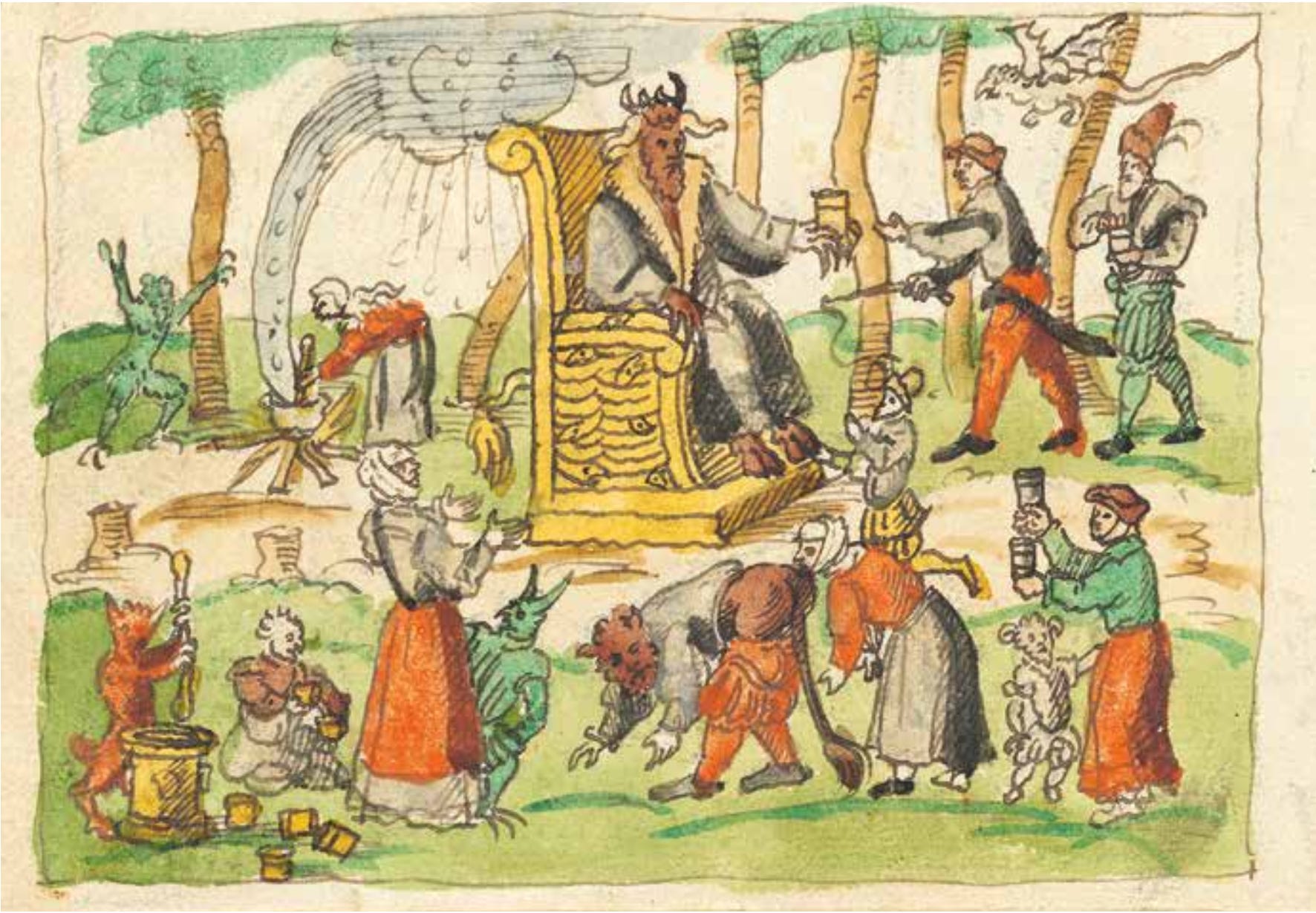
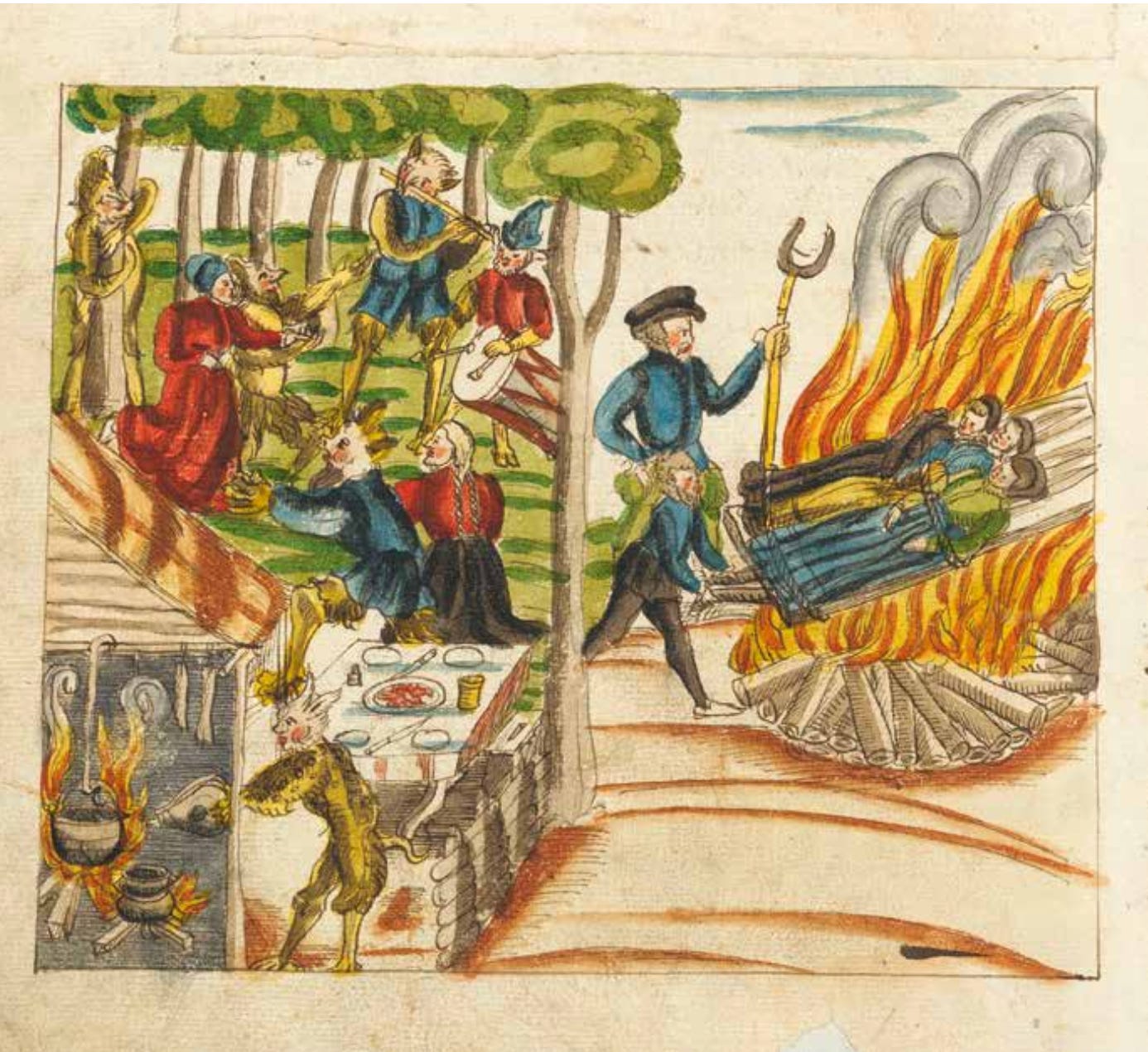
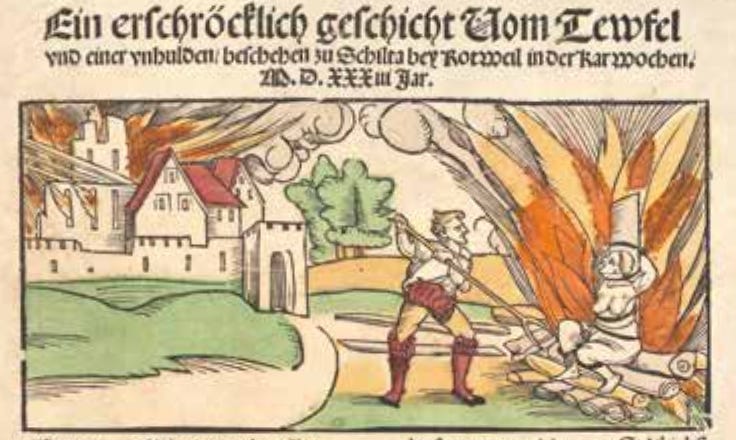
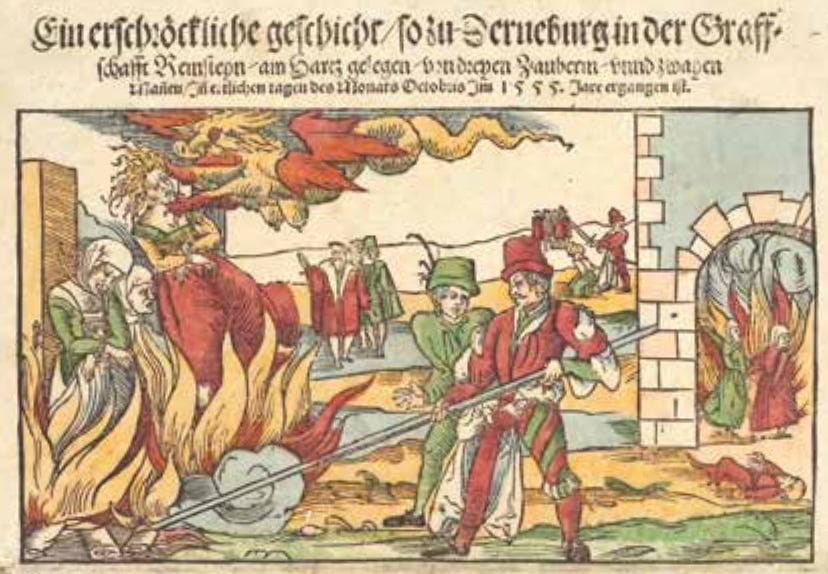
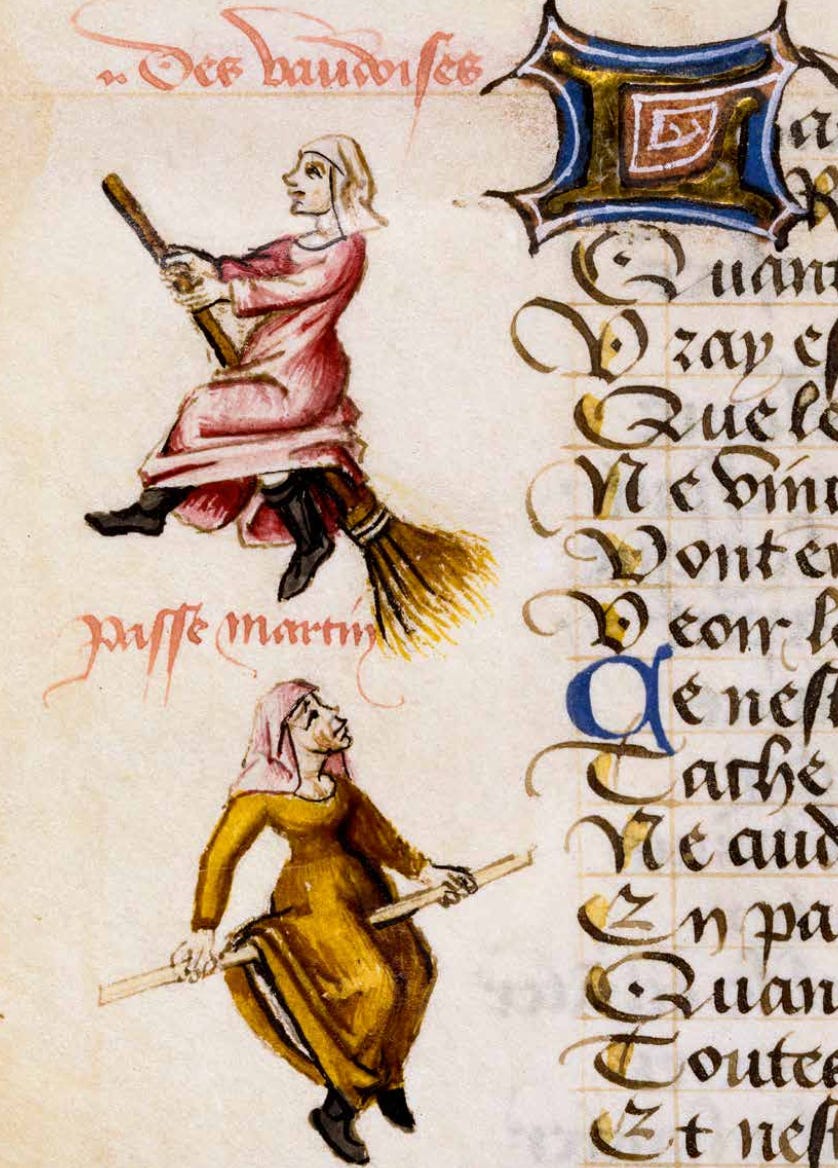
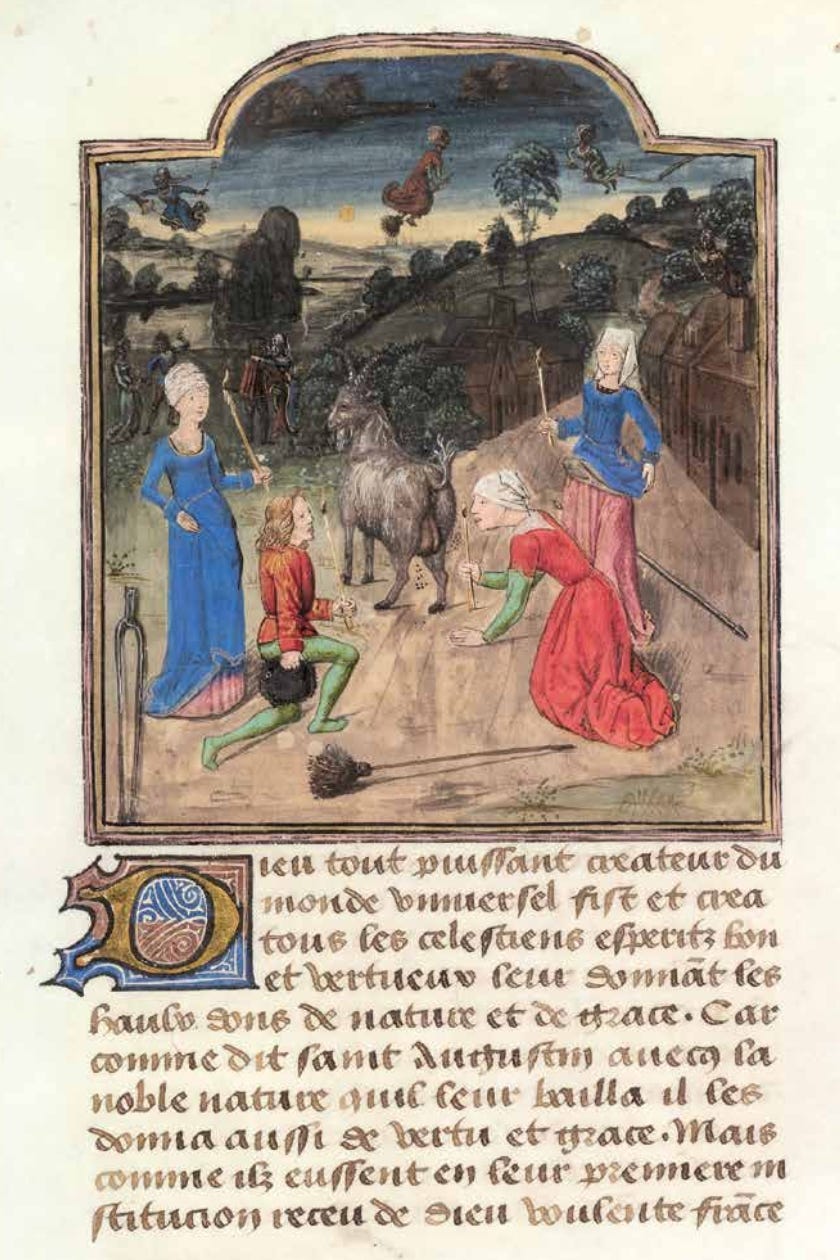
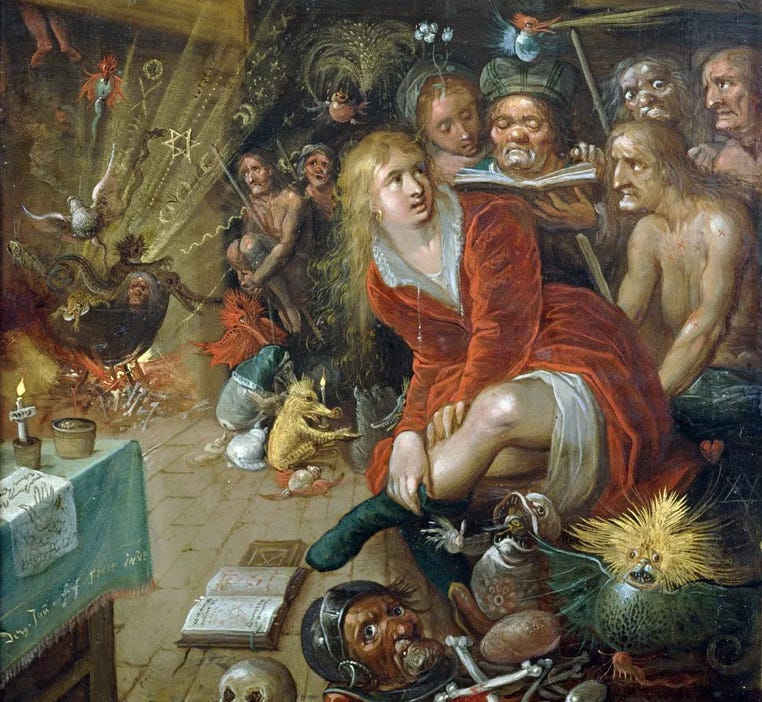
Misogyny was rife. As Protestant and Catholic churches sparred for souls in 16th century West-Central Europe, they aggressively demonstrated their power to vanquish the devil (Leeson and Russ 2018). Thousands of ‘witches’ (mostly women) were accused, tried and murdered. Paintings cast women as potentially deceitful and dangerous, circulating via printing. Frans Francken the Younger’s paintings show women in ordinary, respectable clothing undressing to join demonic rituals - hinting that satan’s agents live amongst us.
Small-Scale Societies
Analyses of small-scale societies must also be viewed with caution. The Standard Cross Cultural Sample (SCCS) gives the Ashanti its highest possible score for ‘female power’, recognising Queen Mothers, but this same society was rife with pawning - as girls were given off as collateral. Moreover, focusing on a single, royal actor like the Queen Mother ignores whether women could organize powerful coalitions to defend their collective interests.
Violence is another major omission. Accounts centred on female prominence, labor, property ownership, matrilocality, and permissive sexual norms are misleading if they do not also recognise violence and coercion. That includes risks of rape, capture, enslavement and head-hunting. If men can get what they want through brute force, or arranged marriage, they need not demonstrate care, companionship or devotion. In my analysis of the SCCS, wife-beating was reported as common in 80% of coded societies.
The Siraya of Taiwan were matrilocal and women did the lion’s share of agriculture. But men still engaged in out-bounding raiding and exclusively dominated governing councils. Analyses that focus on gender divisions of labour may well be tabulating drudgery, while omitting child marriage, impoverishment and routine coercion.
Get over the Hoe!
If you attend any Economics course on gender, you’ll probably learn ploughs favoured male brawn and naturalised men’s participation in the public sphere, whereas hoes maintained women’s centrality.
This is possibly one of the most misleading ideas in economics (save all the other ones).
Women’s participation in agriculture doesn’t tell us whether women controlled any of the surplus, let alone whether they could build powerful coalitions. Hoe agriculture produces larger surpluses compared with slash and burn, and anything which generated a storable surplus made a village more vulnerable to external predation. This generated stronger incentives for raiding, defence and warfare. Male military coalitions grabbed power and enshrined themselves as leaders.
The real puzzle is why women worked so hard, but struggled to capture the rewards. What prevented women from organizing powerful networks, capable of challenging patriarchal authority and impunity?
Aztec Patriarchy
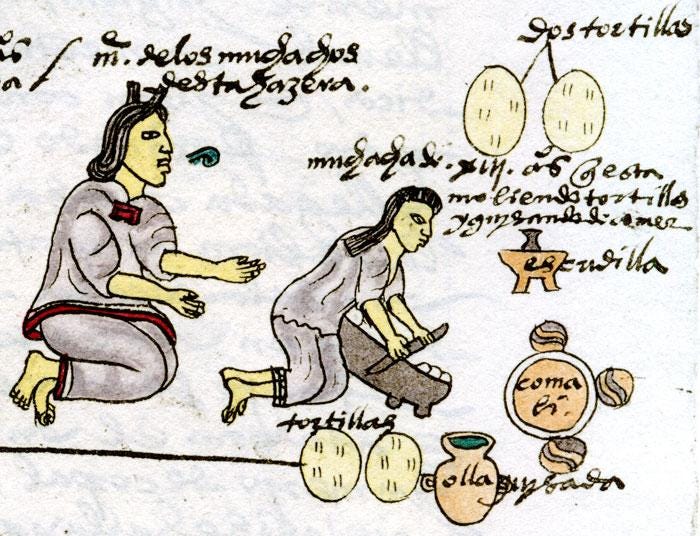
Feminist histories of the Aztecs often highlight ‘gender complementarity’, noting that women ground maize and sold at markets.
But why are we elevating a hard slog? The overwhelming majority of Aztec mothers woke early, spent five hours a day grinding maize for tortillas, scrubbing their children’s clothes. Women’s work is often thankless. As a young woman told me in an Oaxacan market, “men think of us as servants”.
Dodds Pennock also seems to pink-wash human sacrifices. She notes that victims of human sacrifices were sometimes ixiptla (impersonators) of the gods, embodying the deity the ceremony was supposed to honor. Since female victims often embodied deities associated with earth, fertility, water, maize, salt, childbirth, disease and natural forces: “Women were bound up with the earth – and this connection gave both their lives and their deaths significance”.
Pardon?
Islamic Empires
Within Islamic history, postcolonial scholars have often emphasised women’s property ownership, donations to mosques, litigation in courts, and strategic ploys in the harems (Peirce 1993; Tucker 1985).
But this minimizes wider patriarchal oppression: teenage girls were betrothed to men they had not met, and thereafter kept cloistered, while men dominated every single institution. Late 19th century Egyptian reformist, Qasim Amin, was refreshingly honest, highlighting that women applied their seals to accounts and contracts, without understanding their contents, leaving them vulnerable to exploitation by husbands, relatives or trustees.
Today, female employment remains especially low across Central Asia, South Asia, the Middle East and North Africa (CASAMENA), and these same patterns persist when communities move abroad to Europe. Yet too often scholars attribute this to the challenges of balancing work and motherhood, thereby extending analyses derived from the West. But clearly there is something culturally specific about CASAMENA, since even when compared to economically-similar countries, female employment remains ultra low.
Patriarchy, therefore, gets a free pass.
Hauling water isn’t Emancipating!
Sub-Saharan Africa scores well on standard metrics of gender equality, on account of high female labor force participation, but this is grossly misleading, because work is not inherently liberating.
In low-income Africa, women may move independently, but their lives are still marked by relentless drudgery and insecurity. Too often, poor women wake before dawn and labour long after dusk, only to be stuck in the same place.
LLMs also sugar-coat the patriarchy!
Since LLMs are trained on this same data, they reproduce the same selectivity. When I uploaded Upinder Singh’s (2008) tremendous book on India, which states that ‘the number of hymns attributed to women sages in the Rig Veda is small”, Claude then told me: “The Rig Veda includes hymns composed by women - a testament to their participation in the intellectual and spiritual life of the time”. Dropping the qualification, Claude refashioned male dominance into female prominence!
Such narratives blind us to the fact that the entire world was run by fraternal coalitions, often extremely violent, and that over the 20th century we have made phenomenal progress!
When I asked ChatGPT, “Why do so few women in the Middle East and North Africa work for pay, when so many are university educated?”, it summarized a range of economics papers, emphasizing domestic labor and job scarcity. But this hypothesis seems unconvincing, given that MENA’s female employment is so much lower than other countries with similar economic development. ChatGPT seems reluctant to recognize region-specific cultural constraints, namely seclusion.
Even when LLMs do note patriarchy, they tend to excessively ‘hedge’ - such as by saying that in the Ottoman Empire, royal women might exercise influence. I suspect their training data includes academic papers that stress ‘exceptional women’.
Studying the Great Gender Divergence!
Over the 20th century, the entire world made colossal progress towards gender equality, more rapidly in some regions than others. Pink-washing past and present patriarchy may feel nice, but is ultimately misleading because it blinds us to both progress and persistent oppression.
To understand how our world came to be, we need to study how male fraternities consolidated power, and why this persisted for so long. That means studying long historical processes, tracing the interplay of political, economic and cultural shifts, and comparing societies to understand what sustained (or weakened) patriarchal authority.
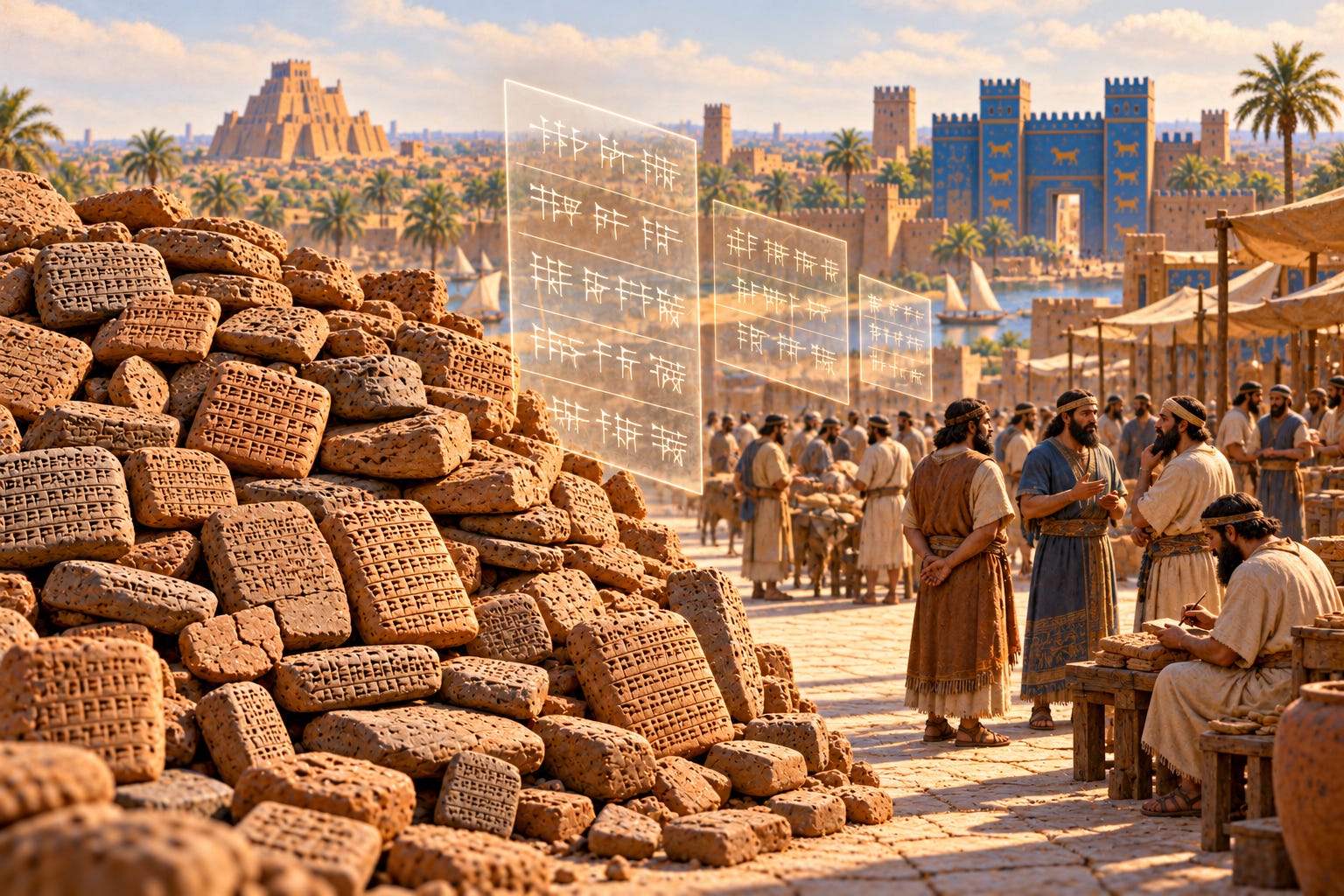
Digitization can help us track the longue durée. For example, we still don’t really know why ideals of female seclusion spread across Mesopotamia. I am hopeful that digitisation of hundreds of thousands of cuneiform tablets might help us track the adoption of veiling.
Social network analysis is now more possible at scale. I’m curious to learn how caste changes in the diaspora. What role do parents play in Indian American marriages? Can LinkedIn or Meta data help us understand jaati networks?
Visual media is the frontier! We could analyse, compare and track shifting representations of gender in paintings, photos film and television by harnessing vision-language models (as I suggested here). Which forms of masculinity become admirable, how does this vary over time and between countries?
Big data can be tremendously valuable, though it’s crucial to ask the right questions, grounded in social realities. For example, Baumard and colleagues generated an ‘Ancient Literary Fictions Database’ (a corpus of 2995 literary works on Wikipedia, spanning Ancient Egypt and the Norse World), then analysed depictions of falling in love. But their finding that the 16th century saw a global rise in love literature is a little misleading, since there’s a vast difference between writing about one’s passions and societies actually upholding marriages based on love.
Gender benchmarks could be developed to assess Large Language Models, evaluating whether they provide accurate descriptions of each society, alongside empirically-supported hypotheses. Given growing use of LLMS, correcting their biases seems extremely important.
Celebrate truth-seeking! Patriarchy thrives when it is widely regarded as legitimate, and actual oppression goes unquestioned because people are too scared to speak out, fearing aggressive backlash. To tackle actually-existing patriarchy, we need to support and encourage students to turn over every stone, scrutinize every hypothesis.
We live in an era of rapid technological advances, and yet women’s lives, safety and status still vary enormously across world regions. To tackle actually-existing patriarchy, we need to recognize this heterogeneity, and develop tools which help us understand its persistence. Going forwards, I suggest that qualitative insights into different societies can help ground our inquiries, so we can build innovative datasets that capture what really matters. Further, we could scrutinize LLMs to ensure that they do not pink-wash the patriarchy.
Related Essays
What people get wrong about women’s rights (in the Economist)
Additional: Paintings of Witchcraft

Thank you. This needed to be said.
Part of feminist refusal to contend with the extent of patriarchy present across civilizations is that feminism was predominantly a white western movement for many decades. They felt intensely personally frustrated with the white men of their own society as many of them had been belittled or abused by their own white men. When they saw white men’s disdain (stated or unstated) for other cultures in the mid 20th century and bias against such men, I think many feminists harbor a sort of enemy of my enemy must be my friend mentality. The last thing they can stand is to feed a narrative that white man can save brown woman from brown man. So they are loathe to admit that concepts from western civilization alone must be the core of feminism in other civilizations. Furthermore, women in some of these non western societies are extremely disempowered, and it’s difficult for them to fully advocate against their patriarchal constraints. So they do so in a way that basically sucks up to their own men. This is what hijabi “feminists” do when trying to claim Islam promotes women’s rights.
Ultimately, all pre modern civilizations were highly patriarchal, and the degree they were patriarchal varied. Some offered more concessions to women than others. Among pre modern civilizations, European Christianson offered some of the greatest number of concessions towards women- monogamous marriage, unusually late age of marriage, lower prevalence of cousin marriage, more permissiveness in allowing girls some degree of choice in who they married. White feminists never seem to admit this and want to judge every other civilization as at least as patriarchal as their own. But reality is that most civilizations were far more brutal and restrictive to women than Western Europe was.