


Before the 20th century, the world was overwhelmingly patriarchal: male coalitions ran powerful institutions, religious authorities sacralised male dominance, and female submission was often glorified as moral virtue. This system not only puffed up men’s egos, it also enabled extraction: fraternities captured benefits that would have otherwise been reduced, contended or required greater reciprocity.
I call these benefits patriarchal rents.
This departs from conventional conceptions of rents. In classical political economy, landowners accrue rents by virtue of ownership rather than labour. A broader literature of rent-seeking refers to actors manipulating rules in order to capture a larger share of the pie without making an equivalent contribution. In Marxist theory, surplus value is created by workers but expropriated by capitalists.
Patriarchal rents draw on all these intuitions, but are distinct. They refer to the benefits that men gain through institutional privilege, religious persuasion or violent coercion. Patriarchal rents come in several forms:
Labour rents, where husbands and male kin extract women’s work, care, sex, and child-bearing beyond what women would provide if they prioritised their own happiness and exercised bodily autonomy within a durable partnership, and could credibly exit.
Kinship rents, where arranged marriages and divorce stigma consolidate clan networks, enabling male insiders to access club goods, credit and advancement. This can be measured against what men’s business opportunities would be if their female kin refused to marry or got divorced.
Exclusionary rents, where discrimination enables men to monopolise senior jobs. Here, the relevant counter-factual is what men would earn or command under meritocratic competition.
Impunity rents, where male sexual harassment and rape go unpunished. Theses rents can be measured against a counter-factual in which perpetrators faced credible deterrence, and men can only secure sex with a woman’s willing (if not eager) consent.

There was significant regional variation in which rents were extracted and how they were allocated.
Labour, exclusionary and impunity rents existed across all patriarchal societies. The major points of variation were (1) whether the benefits generated inside marriage accrued primarily to the husband or strengthened an entire clan; and (2) whether women produced a large share of the surplus that was then controlled by men. In much of Sub-Saharan Africa, men extracted significant labour rents from women’s work, fertility and exchange value. In South Asia, the Middle East and North Africa, clans and jatis used endogamous marriage to consolidate trusted networks, enabling male insiders to access credit, club goods and business opportunities. In Northwestern Europe, labour rents were more privatised inside the nuclear family, alongside exclusionary rents in the professions and impunity rents for abuse.
To be clear, women also benefitted from male provision and protection, as well as broader networks of kinship. Throughout history, men have worked long days, pursued dangerous work, or even battled to protect their kin. These burdens are real, but men’s repeated efforts to preserve marital control, occupational exclusion and sexual impunity suggest that patriarchal systems also delivered highly valued net benefits to men.
None of these systems are set in stone. Job-creating economic growth has weakened kinship rents, while preserving exclusionary and impunity rents. Migration to prosperous economies similarly enables families to join more diverse networks, and lessening their insistence on kinship rents. Feminism has proved equally powerful, as women come to demand greater autonomy, reciprocity and accountability.
Let’s explore, by region.
Labour Rents in Sub-Saharan Africa
Labour rents can be extracted from women’s reproductive labour, domestic service, subsistence production, market production, and the direct trade in women’s bodies through slavery, pawnship, and coerced marriage. While all societies have engaged in this extraction, Sub-Saharan Africa stands out because women produced a large share of the surplus, which was then controlled by men.
Elizabeth Schmidt’s Peasants, Traders and Wives: Shona Women in the History of Zimbabwe, 1870-1939 provides extremely useful details about labour rents, female resistance and patriarchal backlash. As she details,
“although women and children played a crucial role in the overall economy, they were considered minors in society, possessed few goods, and received little more than the food they ate, which was substantially produced by their own labour”.
Men inherited land, but only prospered from it through the labour of their wives. One traveller observed in 1892 that “in the morning hundreds of women and children are to be seen making their way to the gardens - the women are the workers and the more women a man has the wealthier he is. He is able to cultivate more land”
Women planted, weeded, fetched water and firewood, brewed beer, cared for children, panned for gold, made pots, pounded grain, and prepared food. At marriage, her father also profited from bridewealth (lobola). But although women enabled labour and capital accumulation, this was controlled by men. Cattle were considered an exclusively male wealth and status, symbolising their prestige.
Women’s labour, fertility and exchange value circulated through male networks. When young Shona warriors went raiding, they hoped to return with cattle and women, whom their fathers might accumulate or redistribute to gain favours. Subordinate chiefs also paid tribute with cattle and women. In battle, male enemies were usually killed, while women were captured and kept as enslaved wives. They were premium labour rents: expanding a man’s labour and lineage, while lacking both recourse to natal kin, as well as their own independent resources.
Upon conquest, the British imposed Pax Britannica, which curtailed intra-African cattle raiding, yet women and children were still pawned. If a Shona man lacked cattle to pay a fine or tribute, he could offer a female dependent as a pawn. If he did not subsequently buy her redemption, then the new guardian could keep her as a wife, or marry her to someone else in exchange for cattle.
Ordinary marriage was also structured around female subordination. Girls were raised to obey husbands whose rights to their children were secured by payment of the lobola. Maria Tekwa Tirivanhu, born in 1910, recalled that “a woman was supposed to obey her husband’s instructions and rules”. Juliana Dzangare similarly explained, “I had to do what my husband wanted. My husband had paid lobola for me”. Wives then gained status through bearing more children, but this constrained their capacity to exit.
Violent punishments were used to enforce labour rents. In 1902, Elijah Marwodzi detailed that if a girl refused to marry an old man to whom she had been pledged she might be beaten and tortured. Her father might,
“take a very big branch of a tree, and split it into two and tie it on her head, and screw it, clamp it... knocking so that it increased the pain ... until the daughter says, “Leave me alone. Release me. I plead to go” .
After marriage, a husband might punish a wife who refused to cook or have sex by restoring his authority with beatings. Her natal family often urged her to endure abuse, since divorce threatened kin ties and required repayment of bride wealth (22). A Shona woman who failed to bear healthy children might be accused of witchcraft. Older women were also acutely vulnerable to charges of witchcraft. Thus, women who were post-menopausal, infertile or difficult were punished.
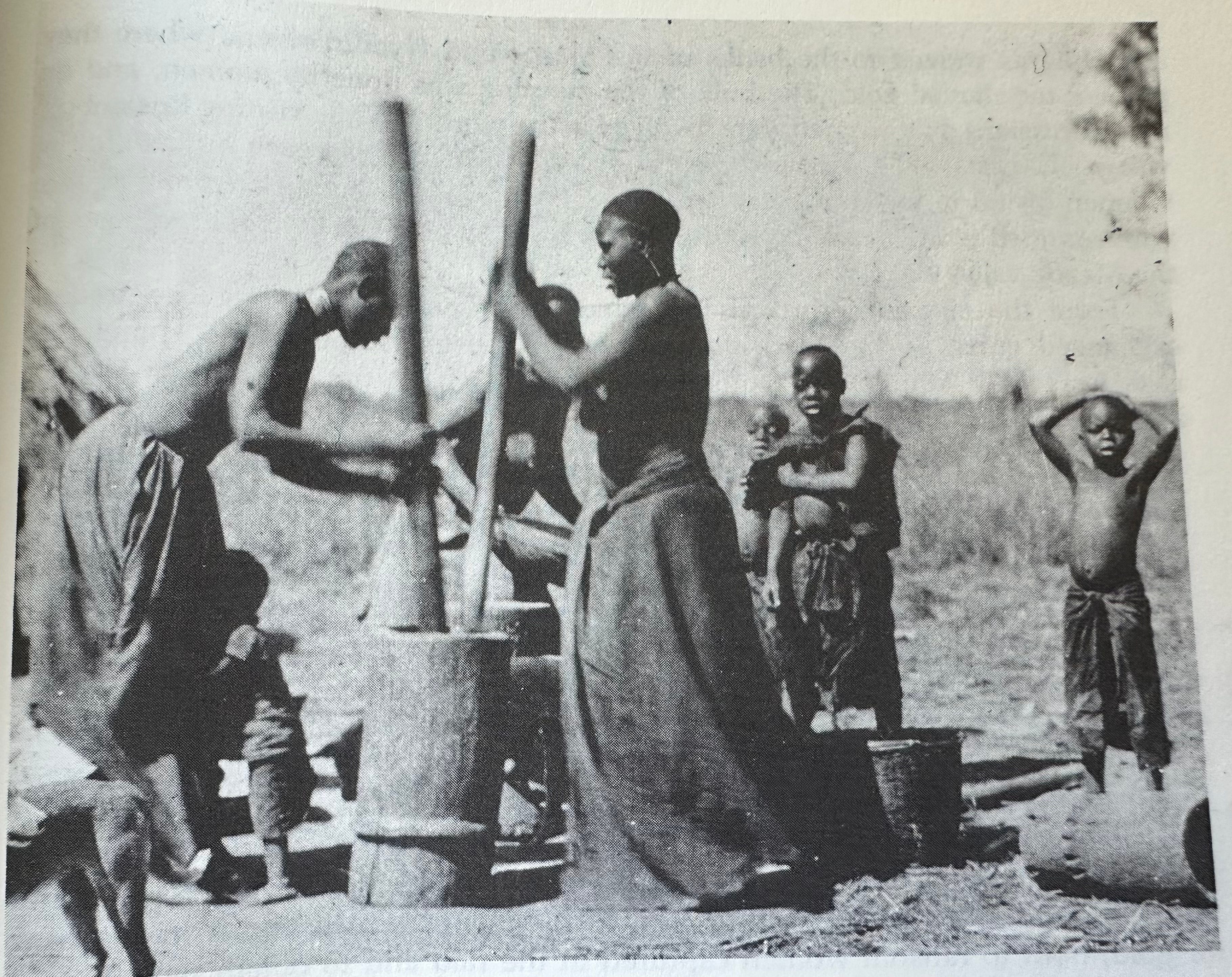
Pounding millet into flour, women might sing songs expressing frustrations and grievances, complaining of ill-treatment by mothers-in-law, co-wives and husbands.
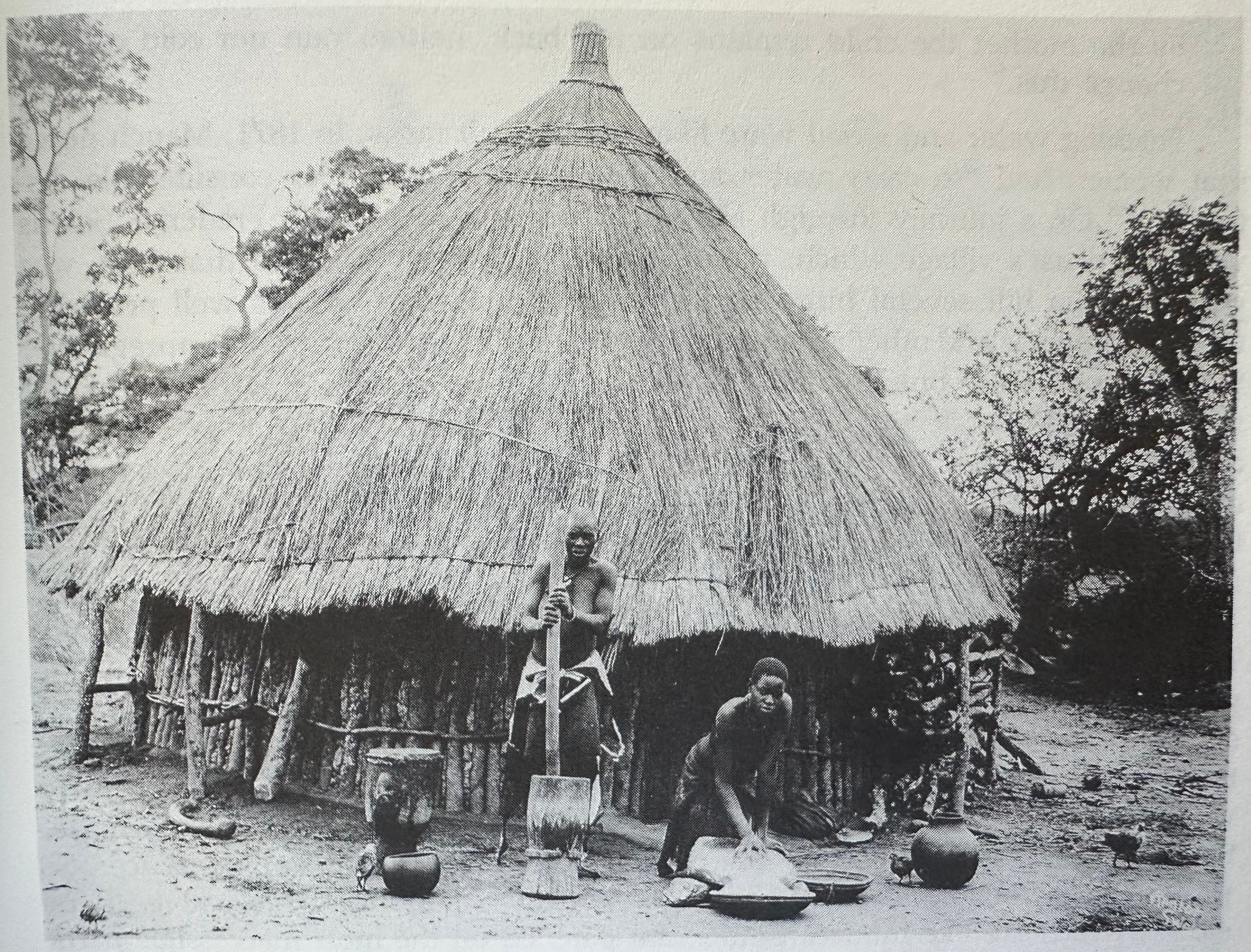
Shona women seized new opportunities to resist unwanted relationships, as revealed by court records. In Goromonzi District, 345 cases were heard between 1899 and 1905; 95 involved young girls refusing to marry men to whom they had been pledged by guardians, while 65 involved married women running away, many from frequent beatings. In 1900, Tshenjeni testified,
“I don’t want to go back to my husband. He always ties me up. At the present time he has ropes ready to tie me up.. He is always beating me”.
Women repeatedly ran away to missions and mining towns in order to escape unwanted terms, including forced marriage, polygamy or because their husband spent too much time and money on beer, or refused to provide reciprocal labour. In 1931, Ariyenyanwi left her husband “because he would not plough lands for me.”
Churches, bent on a “civilising” mission, vehemently opposed child pledging, forced marriage and polygamy, so encouraged young girls to seek refuge and further their education. In 1924, one official wrote “Most native women are well aware that they cannot legally be forced into marriage against their will and refusals are far from uncommon.”.
This alarmed African men. Chiefs and elders repeatedly complained to the colonial government that women were fleeing to towns, mines and mission stations. Some called for pass controls to limit women’s escape, so as to enforce labour rents.
Colonial authorities were ambivalent. On the one hand, the colonial government outlawed child pledging, required women’s consent to marriage, and supported the principle of Christian monogamy. On the other hand, indirect rule required the cooperation of African men. One official warned that unless the government supported African men’s “rights over the wives,” the “whole existence of a nation” might be jeopardised. Another cautioned that“any legislation to improve the legal status of the woman” would “cut at the very root of Native institutions”.
The colonial state therefore helped protect patriarchal rents. After repeated complaints from chiefs, headmen and other African men about wives leaving husbands, the government imposed laws punishing female adultery, while permitting married African men to have sex with unmarried women. By the 1930s, native commissioners increasingly ruled in favour of husbands, pressuring women to remain married if they wanted custody of their children. In 1936, the Natives Registration Act stipulated that unmarried women could only enter towns with an authorised pass. Colonial officials wanted cheap labour and cheap rule. Supporting male control over women helped secure both.
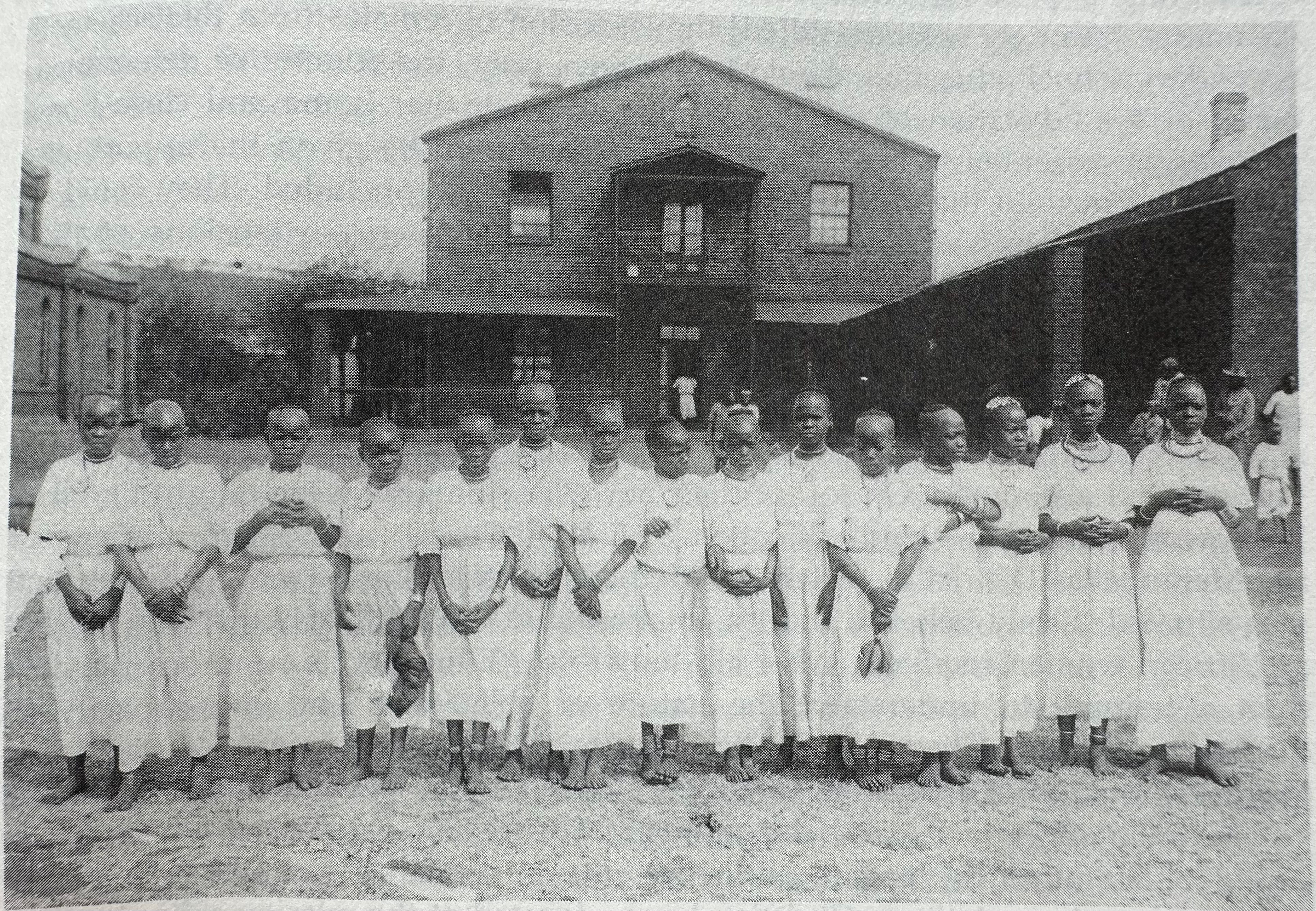
The Shona case shows labour rents operating in several ways: fathers converted daughters into pawns or bride wealth; warriors captured women in raids, or gave them as tributes; while husbands benefited from women’s labour. Yet many women were clearly unsatisfied, and sought to escape. Eager to extract rents, Shona men repeatedly petitioned the colonial government to coerce female obedience.
Across Sub-Saharan Africa more broadly, women’s work generated such high returns that they constituted the majority of slaves and commanded higher slave prices, which men then converted into military prowess and fraternal solidarity.
Today, African women continue to work at high rates. This should not be automatically read as ‘empowerment’. Where women work intensely while men control land and cattle, it may simply mean that women produce the surplus while men capture the rent.
Kinship Rents in South Asia
Glittering in diamonds, posing for the world’s media, celebrities posed at the MET Gala. Within India, this industry can be tremendously lucrative but nonetheless risky. Rough stones must be imported from Antwerp, then cut and polished domestically, sold to buyers in Mumbai or abroad, often passing through different hands, traded on credit, with few written contracts. Courts are slow, credit enforcement is weak, and there is a perennial risk of buyers disappearing.
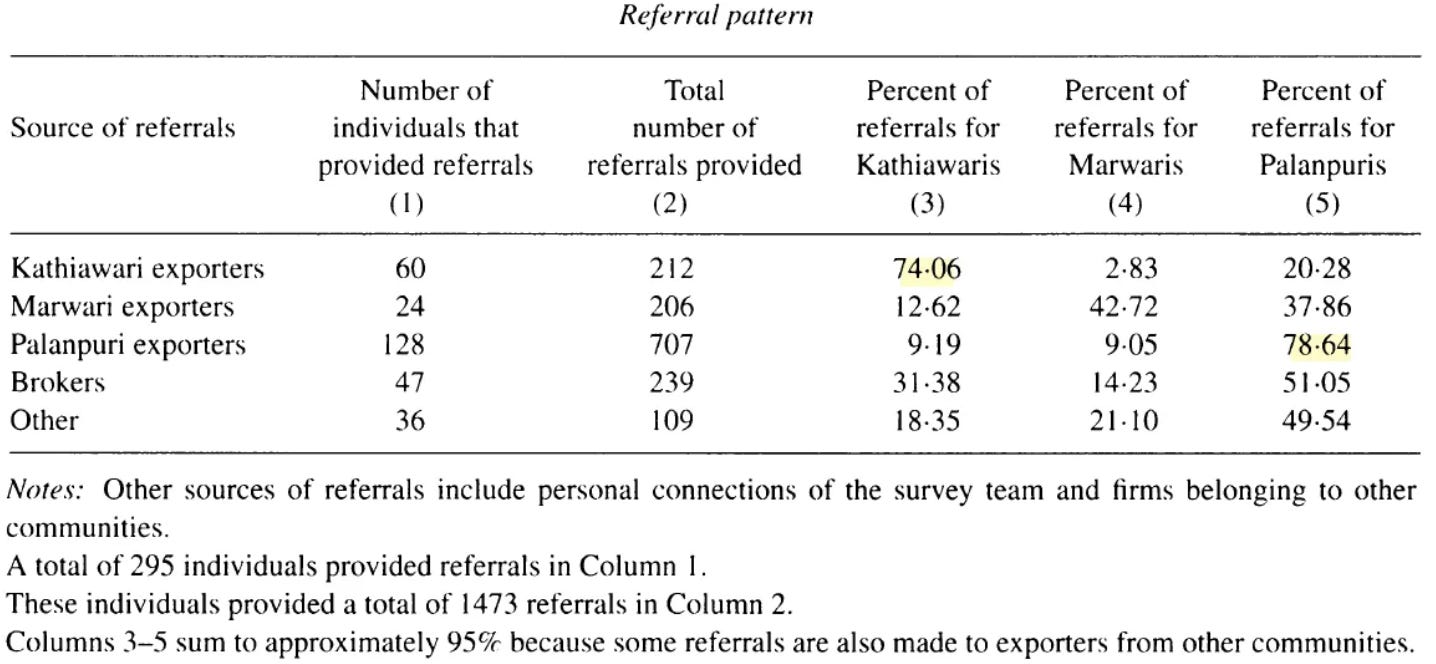
Economist Kaivan Munshi shows how this industry is sustained by community trust. This industry operates through referrals, as one exporter vouches for another member of his community. The supplier then extends credit, enabling the recipient to get rough stones, and putting the referrer’s reputation on the line. If the recipient cheats, the entire community is imperilled.
This industry is built on jati endogamy. Over 96% of firms in his Mumbai diamond survey come from just three communities. When his team asked exporters to name close contacts, they disproportionately named members of their own group. Kathiawari exporters gave 74% of their referrals to Kathiawaris; Palanpuri exporters gave 79% to Palanpuris. Marwais are more mixed, as they tend to focus on polishing where community affiliation matters less. But the pattern is clear, trust extends within jati.
Munshi argues that Hindu subcaste endogamy creates dense webs of obligation, improving information flows and reducing commitment problems. In his sample, 35% of entrepreneurs and 57% of their children married within both their subcaste and the diamond industry. Among Kathiawaris, almost no early entrants who established firms before 1975 married within the industry, but by 2004, it was 50%. To consolidate business networks, they arranged marriages among their children. By 2004, 65% of Kathiawari children were marrying within the industry.
Endogamous marriage creates a social collateral which makes credit enforceable. A trader is someone’s son or brother, whose misconduct threatens their children’s marriage prospects, and can be pressured to pay on time.
But India’s diamond industry isn’t sustained by male handshakes alone. Daughters, sisters and wives supply community trust by safeguarding their modesty, staying close to the home, marrying chosen grooms, pleasing their in-laws, staying put and enduring any abuse. A brother’s reputation and future business opportunities are partly contingent on his sister’s purity and propriety. She provides the social collateral.
Divorce is widely condemned as it would undermine trusted networks. Since she cannot credibly threaten exit, her in-laws can extract ever greater labour rents (fresh rotis for every meal). Men’s preferences trump her time, comfort and welfare.
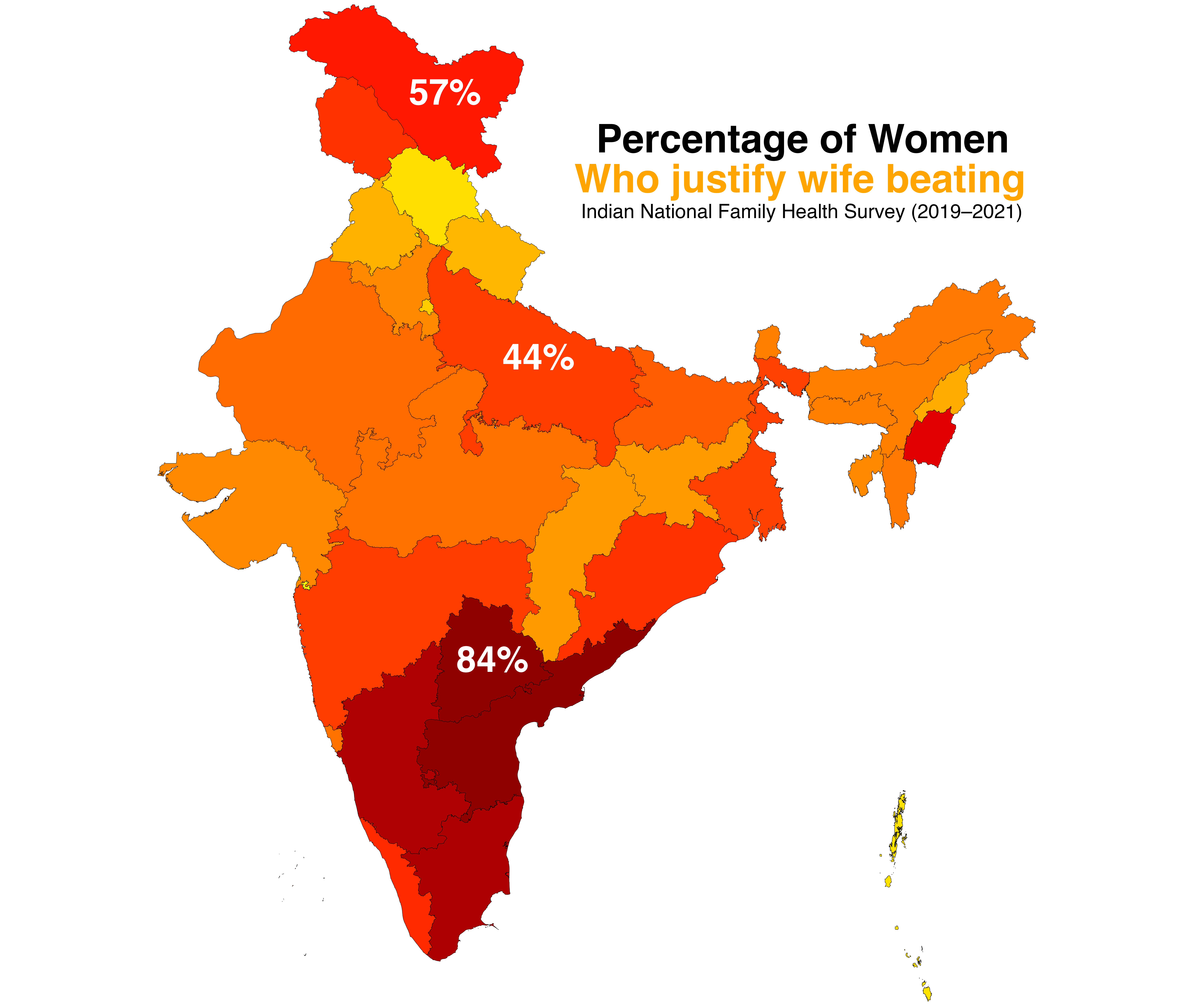
Even if he turns violent, she must stay put. A growing body of experimental evidence finds that even when the Indian police become more responsive and female-friendly, fielding more women’s help-desks, this does not increase women’s proclivity to approach the police.
The glittering diamond industry, like so many other commercial ventures in India, is partly predicated on policing female chastity, arranging marriages, and prohibiting exit.
Exclusionary Rents in Western Europe
Age 11, I started constructing my “family history”. Together with my mother, I tracked down genealogies, dug out old records, and traversed the country interviewing distant relatives. What I discovered, at that young and rather naive age, was striking: my male relatives were prominent and pioneering, celebrated with public accolades, while the women were noticeably inconspicuous, at least until very recently.
My grandfather excelled at the University of Cambridge, became a physicist, developed radar and guided missiles, travelling to Australia and San Francisco under top-secret military protection. He was certainly intelligent, but possibly benefitted from exclusionary rents. It wasn’t till 1948 that Cambridge permitted women to become full members and receive degrees. My grandmother obtained her degree elsewhere in Economics, but was repeatedly discriminated against, became a teacher, and accommodated his jet-setting career.
Across Western Europe, men consistently defended their exclusionary rents: in guilds, trade unions, universities, parliaments, civil service and suffrage. Men monopolised the pathways to power, prestige and the means of persuasion, dominating every single institution and reaffirming their righteous dominance. They monopolised credentials, then congratulated themselves on superior competence.
Men also enjoyed impunity rents. Anglo-American common law once recognised a husband as master of the house, entitled to chastise his wife as long as he did not cause permanent injury. Later authorities tended to treat marital violence as a private matter, looking away. Out on the streets, men could lecher and harass, yet get off scot-free.
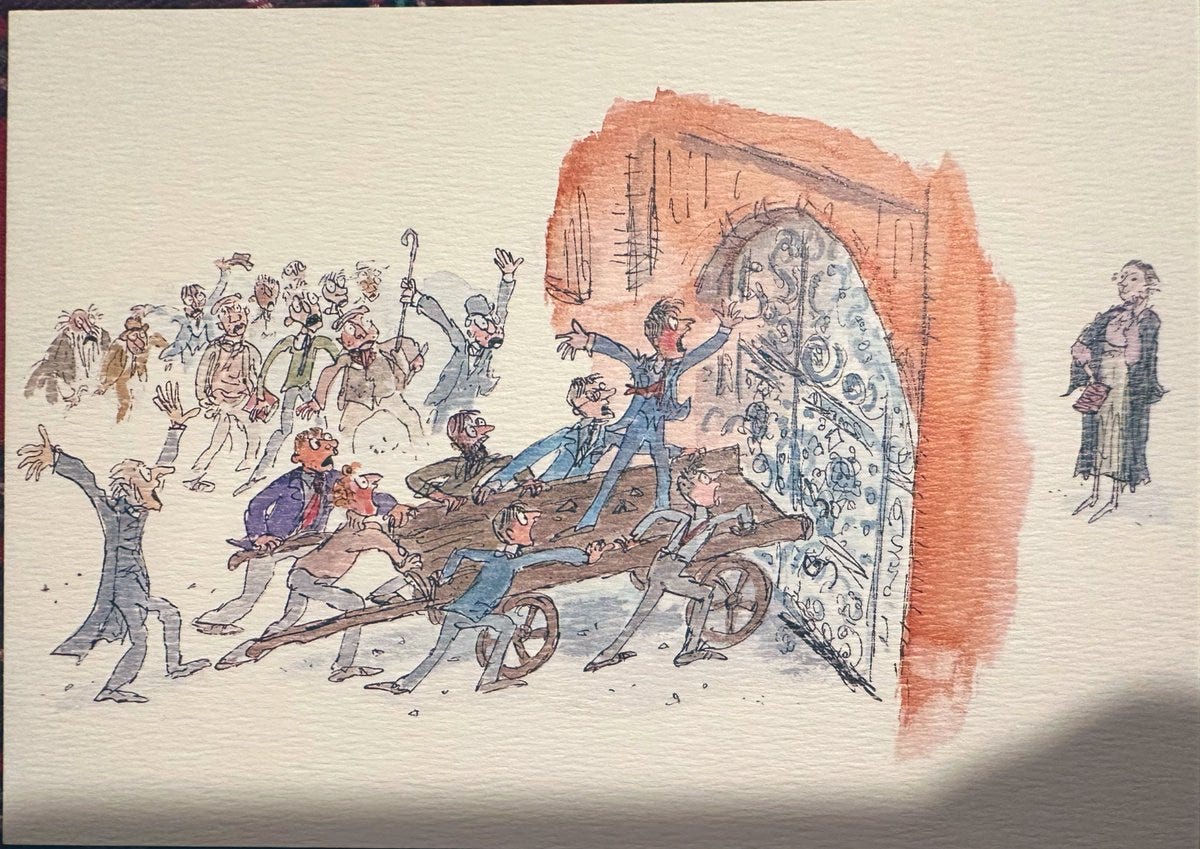
Female suffrage and entry to male-dominated domains (like Cambridge) were vociferously resisted because they challenged men’s rents. Suffragettes didn’t just bruise men’s egos, they threatened unearned and non-consensual gains.
How Might Patriarchal Rents Decline?
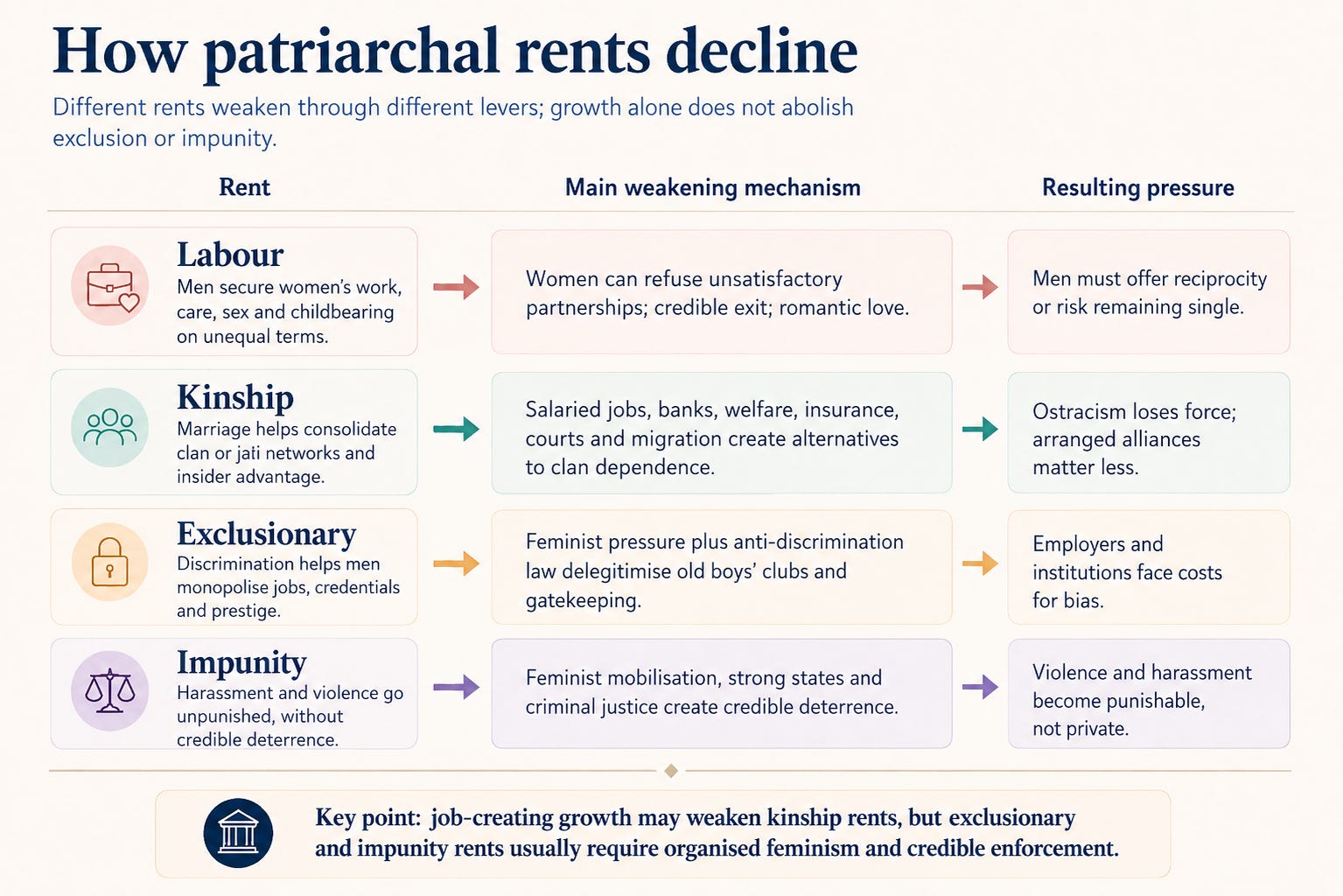
Within this broader system of patriarchy, men’s ability to extract each rent rests on specific mechanisms, and declines with different structural shifts.
Labour rents weaken when women can refuse unsatisfactory partnerships. This often involves a cultural shift, as women reject ideals of sacrifice and submission, instead seeking love and reciprocal care. Men’s sentiments are equally relevant. A man in love prioritises his partner’s welfare, listens to her preferences, and offers better terms. Far from extracting labour or sexual favours, he offers generously. In this context, men who do not up their game may remain single.
Kinship rents may weaken when families do not heavily depend on clan networks for business ventures. This can occur by migrating to thriving economies with salaried jobs, pensions, insurance, social welfare, and impartial courts. Given these alternatives, threats of ostracism lose their bite.
Exclusionary rents decline when male monopolies become morally and legally indefensible. Feminists must persuade wider society to reject old boys’ clubs and professional gatekeeping. When courts also provide credible deterrence, punishing sexist discrimination, employers are either persuaded or enlightened to select on merit.
Impunity rents end with effective criminal justice, enforced by feminist lobbying and strong states.
So patriarchal rents do not decline all at once. Labour rents weaken when women avoid unsatisfactory partnerships; kinship rents lessen in meritocratic economies; while exclusionary and impunity rents only fold under feminist pressure and legal accountability.
Let’s explore this in action.
Economic Growth Can Displace Kinship Rents, But Not Exclusionary or Impunity Rents
Before the twentieth century, East and South Asia shared important patriarchal features: arranging marriages, doing business with kin and glorifying female submission. But East Asia had one major structural difference: families generally built outward, exogamous alliances.
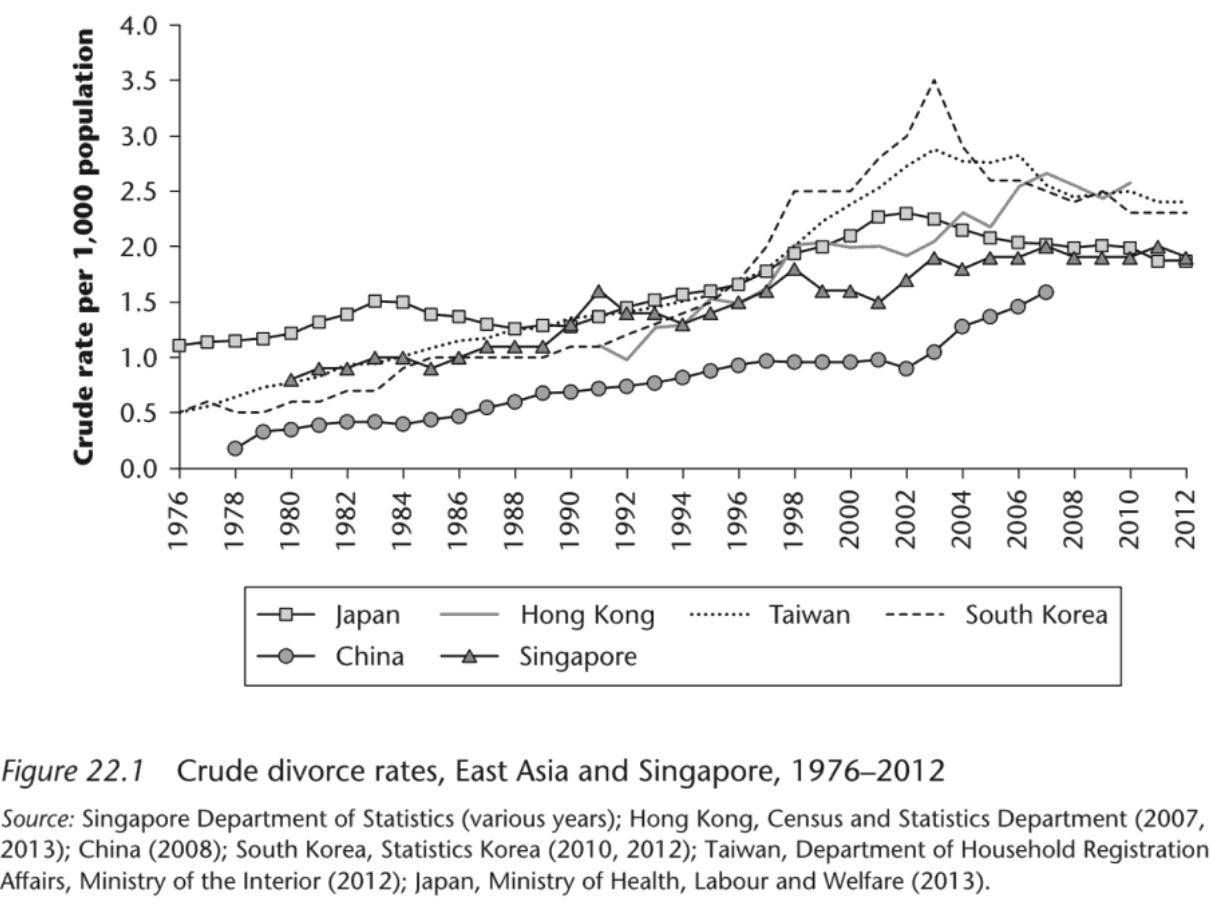
As economic growth kicked off, young people flocked to cities, and built wider networks. Daughters now demonstrate filial piety by supporting their parents financially. As families can secure salaried jobs, pensions and bank loans, they become less reliant on favours secured via marriage. No longer beholden to close-knit kin and increasingly prioritising individual happiness, East Asians have tolerated rising divorces. As women seek more companionate, respectful relationships, poorer and rural men now struggle to match. They can no longer rely on family pressure to secure wives’ labour, fertility and deference.
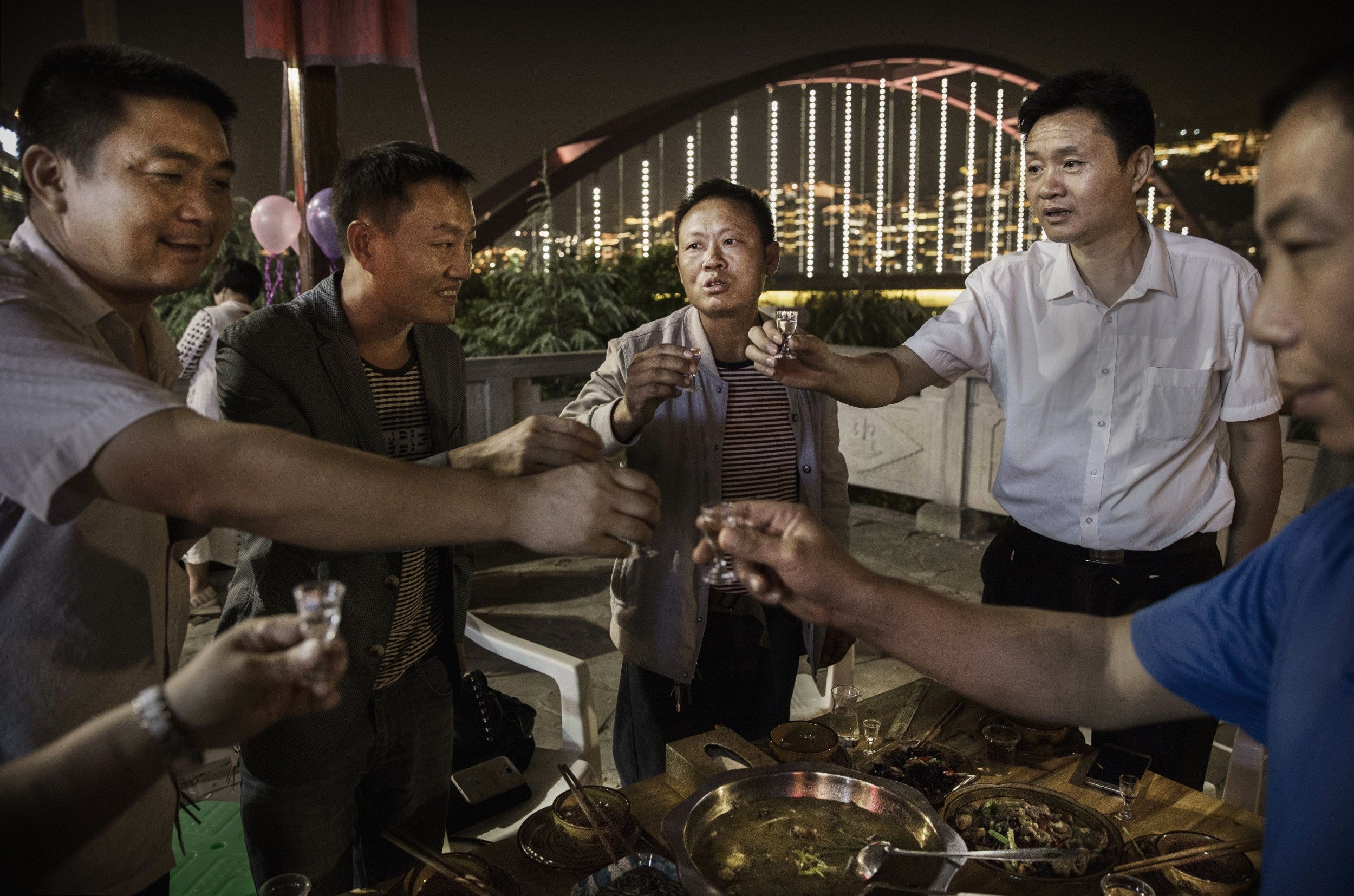
However, growth has not abolished exclusionary rents. East Asia’s large firms remain dominated by men, and gender pay gaps loom large. Fraternal solidarity is consolidated through late night drinking, banqueting and karaoke. Socialising together, men bond, and favour their own. Men still benefit from managerial favouritism, fraternal guanxi and sexualised entertainment - with impunity.
Impunity rents can also be extracted, as the Chinese government represses feminist activism and the police turn a blind eye to domestic violence. South Korean men may install spy-cams in public loos, take upskirt photographs then circulate on message boards, all reveling in women’s humiliation.
Thus even if women individually deny labour rents, without strong feminist activism they struggle to challenge men’s exclusionary and impunity rents.
Kinship Rents are Substituted by Diverse Business Opportunities
When Hindu South Asians migrate overseas, many cease to depend on their narrow jati but instead form larger, more diverse networks. In the US, where Hindus are only 1% of the population, they meet classmates, colleagues and neighbours from different backgrounds. Ideals of jati pride and purity do not evaporate but they are less tied to business opportunities. As a Punjabi man in San Jose remarked, “my community is tiny here, everyone intermarries, it’s melting”.
The Carnegie Survey of Indian Americans points to broader networks. Among Indian Americans born in the US and now married, 29% have spouses of non-Indian origin. Of those born overseas, 15% have non-Indian spouses. A further 16% say they have no religious affiliation, identifying as atheist, agnostic or nothing in particular. 44% of those born in the US say that they feel more American than Indian.
Only 25% of US-born Indian Americans say that all or most of their friends are of Indian origin. Only 21% of Indian Americans say that most of their Indian friends are from their same caste. The overwhelming majority express comfort with having Muslim friends.
As part of this broader mixing and mingling, 57% of Indian Americans say they celebrate US Independence Day, 54% celebrate Christmas and 39% enjoy Valentine’s Day. 88% of US Hindus support legal same-sex marriage - another marker of liberalism.
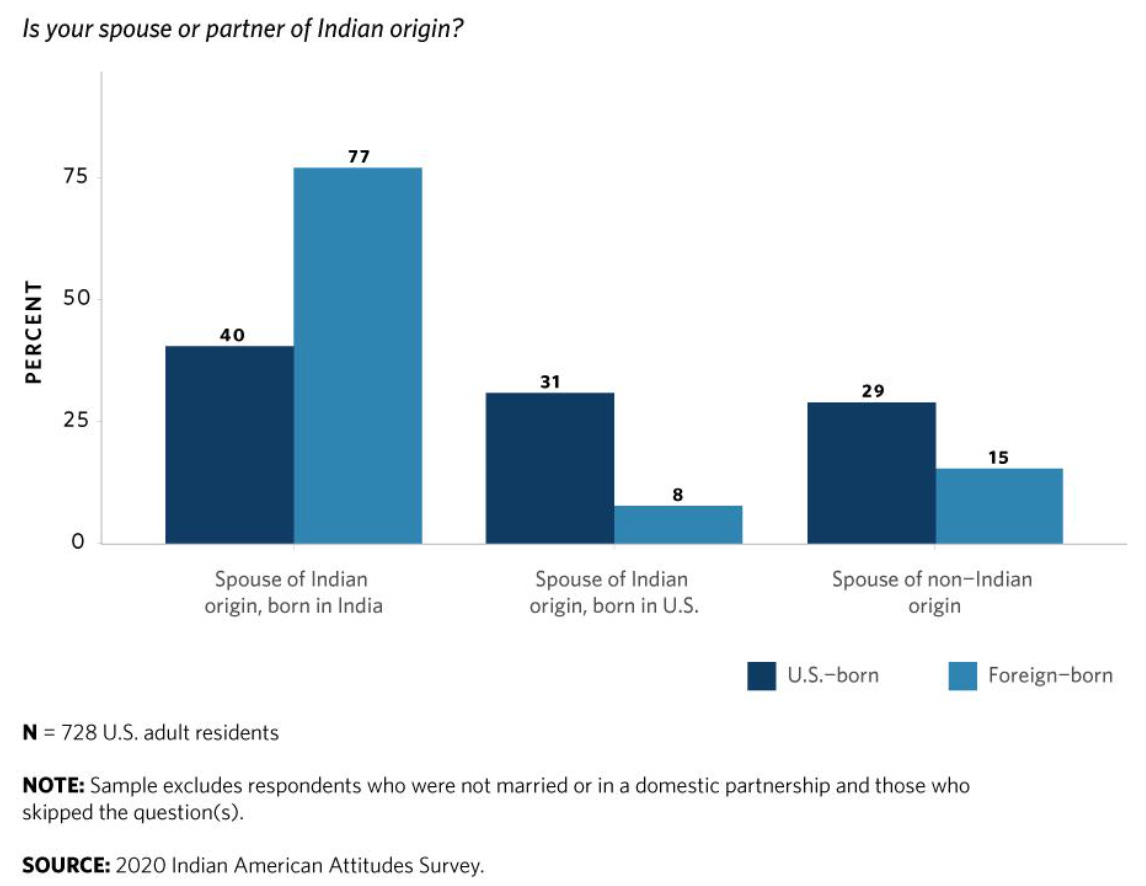
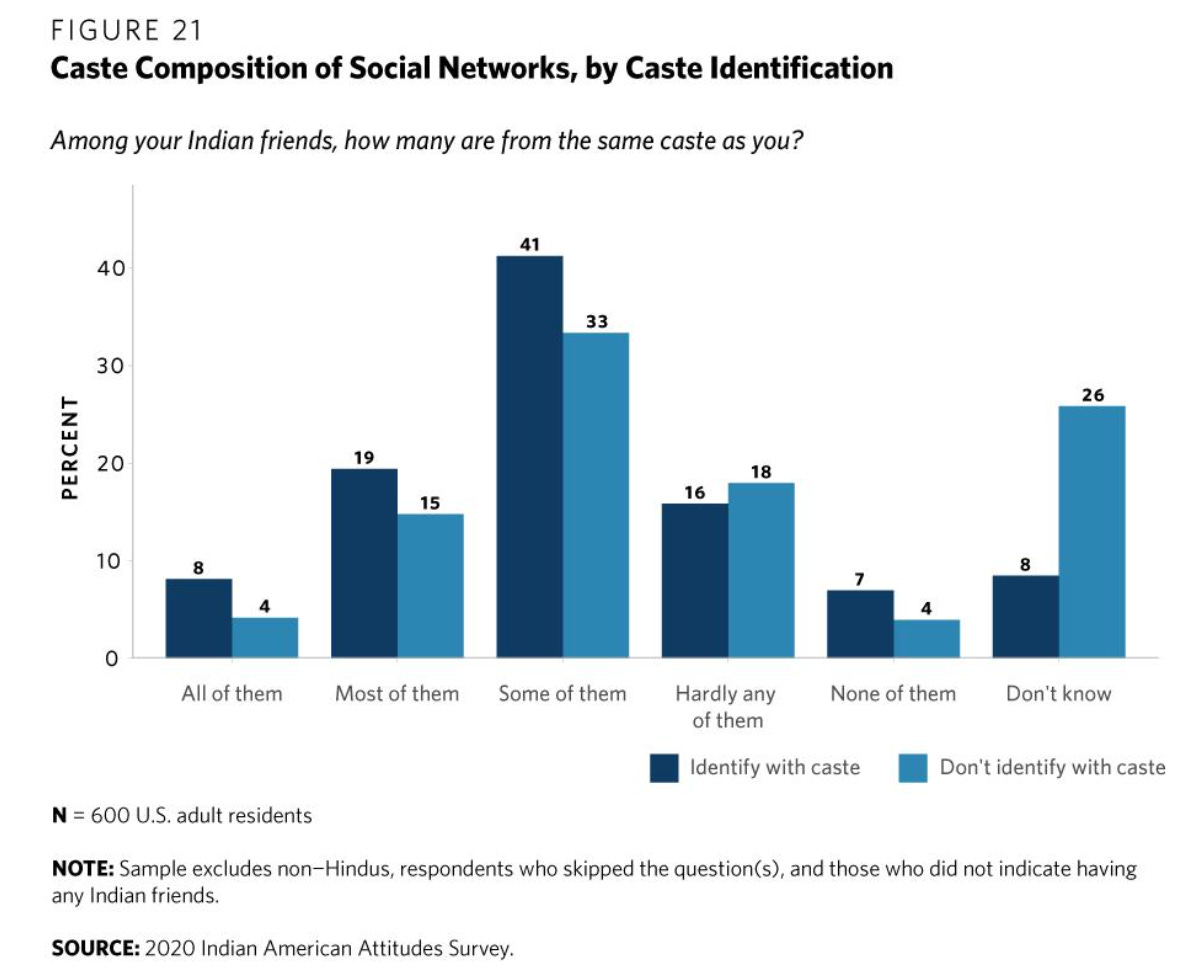
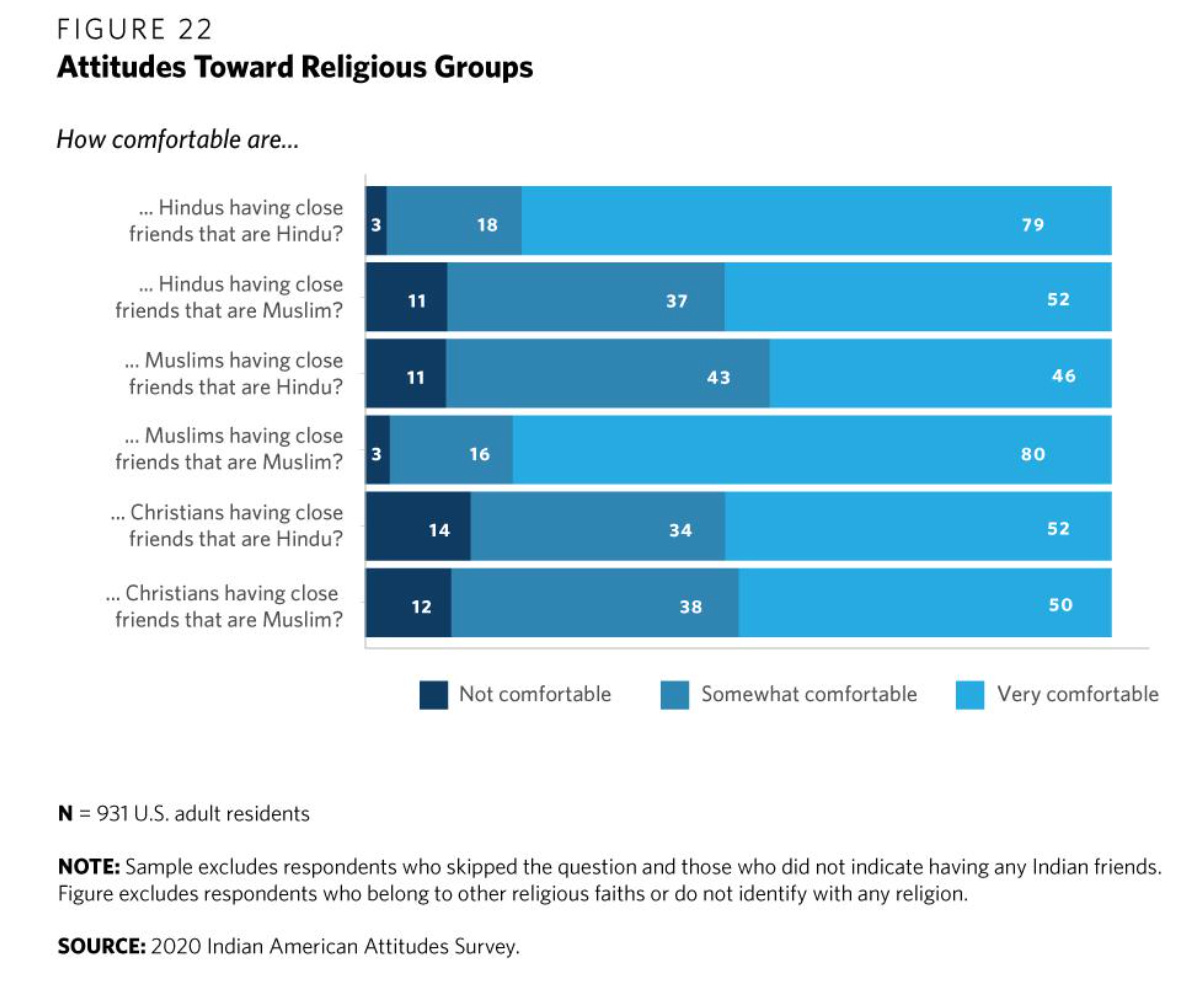
While we should be mindful of social desirability bias, these survey responses all point to more diverse mixing and mingling amid weaker caste policing. As communities step back, American Hindu women can incrementally push for greater personal freedoms, pursue more diverse friendships and aspire for careers.
None of this implies that kinship rents have withered. Caste matchmaking, family pressure and abuses certainly persist (especially for wives tethered to men’s visas), but the available data suggests casteist policing weakens in the diaspora. The jati no longer monopolises opportunity and thus ostracism loses force, paving the way for more female self-assertion and marriages based on mutual consent.
As Hindu fathers gain wider economic opportunities, many choose to loosen their grip over their children.
Feminism delegitimises Patriarchal Rents
Female altruism has long been celebrated as love, devotion, respectability and duty. “Good girls” were praised for quiet obedience. Shamed, disbelieved and threatened with reputational ruin, rape victims often remained silent - which in turn enabled male impunity.
Feminism challenged rents by attacking their moral foundations. Women should be free to choose, refuse, dissent and compete on merit, while men should be answerable for violence. This was the ultimate liberal power move. What had once been glorified as maternal altruism was now damned as exploitation.
Second-wave feminists questioned women’s disproportionate share of unpaid care work, filed law suits against discrimination, demanded reproductive freedom, and marched to take back the night. After Betty Friedan called domestic dissatisfaction “the problem which has no name”, women’s magazines brought these radical ideas to the mainstream, encouraging middle-class women to seek more egalitarian marriages, and to raise their daughters for careers. The private was now political.
This revolution has gone global. Across Latin America, feminists have broken the shame, stigma and silence around rape, with “Un violador en tu camino” becoming an international anthem. South Korea’s MeToo movement has been similarly disruptive, denouncing abuse. In China, young women increasingly reject marital sacrifice, preferring careers and economic independence.
By weakening the moral legitimacy of patriarchal rent-seeking, feminism encouraged women to expect and demand better. Men’s capacity to extract labour rents has thus radically declined, since women in many middle and high-income countries are now refusing to settle for less. Disadvantaged men are now more likely to be single.
But individual refusal to marry does not mitigate fraternal loyalty, cronyism and discrimination in firms, courts, or political parties. Nor does it force criminal justice systems to punish violent offenders. Challenging men’s exclusionary and impunity rents require both a concerted feminist revolution and exceptionally strong states to provide credible deterrence. All this requires continued mobilisation.
All this goes to the heart of The Great Gender Divergence.

Notes
‘Patriarchal rents’ has already been used in other contexts by Braunstein (2008), Braunstein (2014), Small (2023), Purkayastha (1999). This term is excellent and I encourage it to be explored more widely!
Related Essays
Only 11% of Indian women who have been beaten by their husbands have sought help
Ghosting the Patriarchy: Female Empowerment and the Crisis of Masculinity


I come from one of the most patriarchal states in India, and growing up, I constantly wondered why women did almost all the work, inside the house, in the fields, and even in small family businesses, while men controlled the money and received recognition for it. Women’s labour is treated as a “duty” rather than as productive work, even though households and local economies often survive because of their efforts.
Women sow crops, care for livestock, produce goods at home, manage domestic labour, and sustain entire families, yet the income generated from this work is usually controlled by men. Men often take these products to the market, sell them, and retain ownership over the earnings, while women remain financially dependent despite being central to production itself.
This is a form of patriarchal rent extraction, as you mentioned here. It functions as a deeply normalised structure of exploitation, one so embedded in everyday life that it often goes unnoticed. This is a modern form of slavery, without anyone knowing it. Those who benefit from it will never accept it, and those who suffer from it will never realise it.
I had put together notes for an article on different types of extractive economic behaviors (rent seeking, gatekeeping, looting, etc.), and now I'm thinking I need to go back and take this into consideration.
I assume I won't find much economic research on this since most of it comes from North America or Western Europe where this behavior is not as extensive (or acknowledged?)
Very insightful