

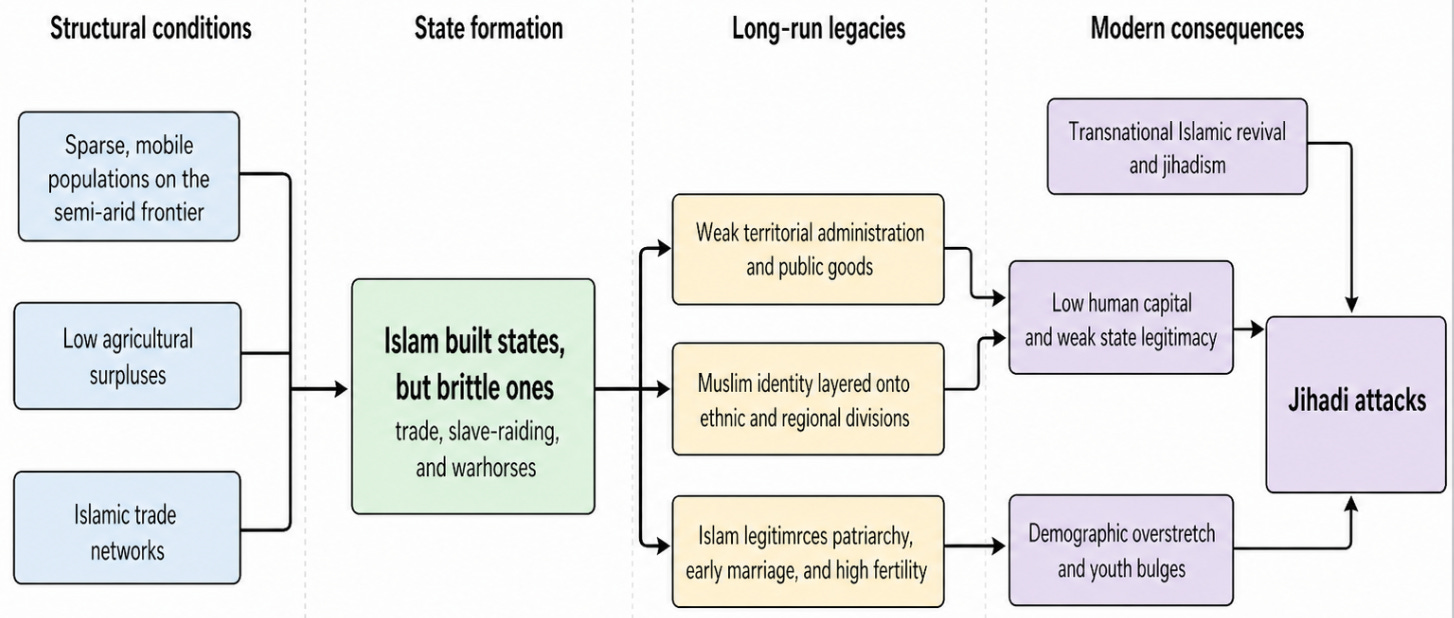
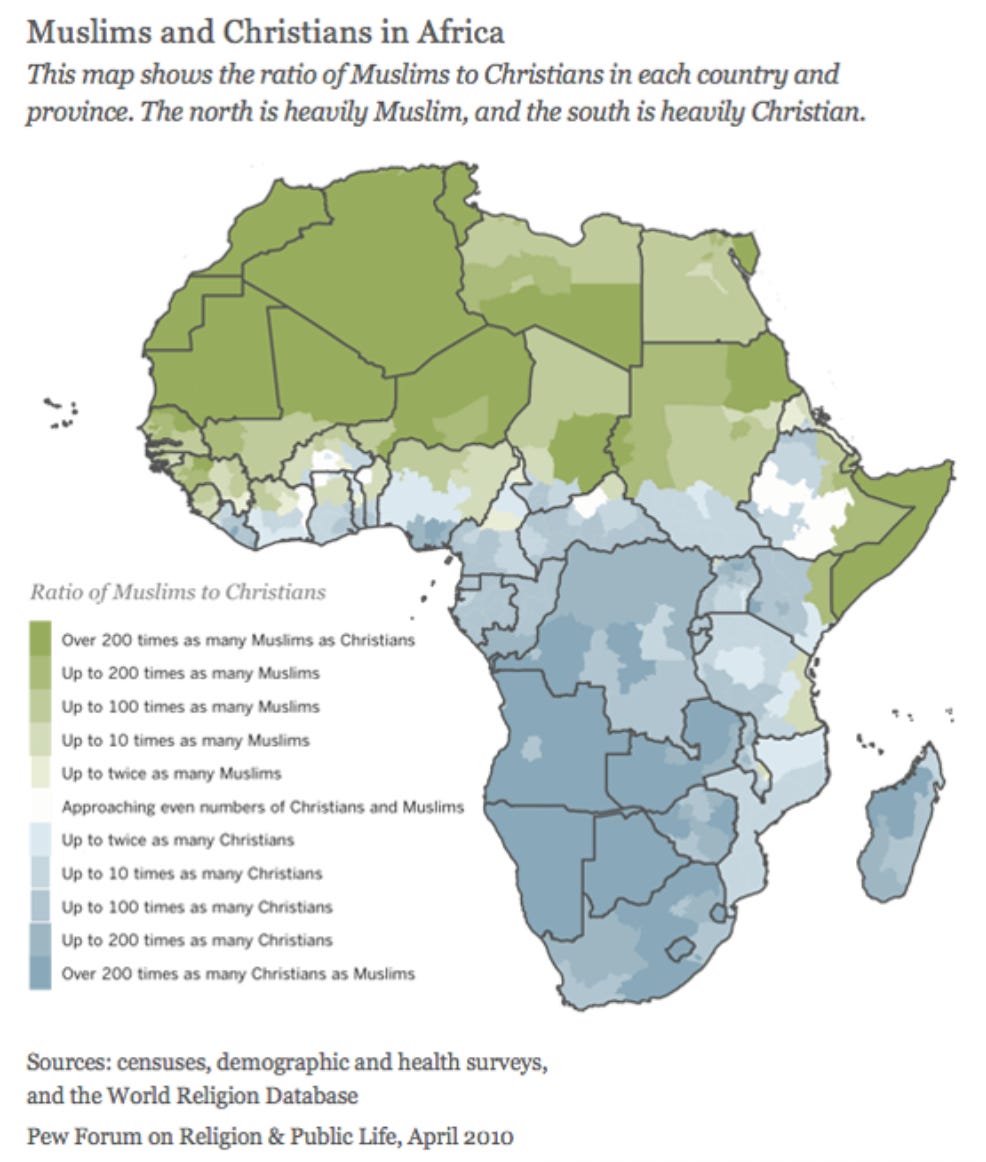
Sub-Saharan Africa’s persistent poverty is often blamed on weak states, and these are in turn usually blamed on the difficulty of building enduring states in Africa’s tough geographical conditions. But herein lies a puzzle. Sub-Saharan Africa’s earliest states arose in the Sahelian-Sudanic belt. Yet today this region is one of the poorest places on earth, marred by political instability and jihadist insurgencies. Why did Sub-Saharan Africa’s earliest sites of political centralisation become so fragile? I suggest that the region’s embrace of Islam has been distinctive.
In Eurasia and North Africa, Islamic armies burst out of tribal Arabia and conquered preexisting, often ancient, imperial structures built on extracting agricultural surpluses from fertile lands. In Sub-Saharan Africa, however, the methods and ideology of Islamic governance could not overcome Sub-Saharan Africa’s obstacles to constructing enduring territorial states. Islam could not make African soils richer nor its terrain easier to control.
But Islam was nevertheless a force for state-building. The distinctively African-Islamic solution was to build states by selling salt, gold and slaves to the Middle East in exchange for warhorses (and other goods). Since these states were largely organised around man-hunting rather than steady control of territory, they did little to build law and order, public goods, or national cohesion.
The consequence was that people came to identify as Muslim while still maintaining older loyalties of lineage, ethnicity and region. Islam was added to Africa’s heterogeneity. Islam would build states, but brittle ones.
All this generated long-run disadvantages that continue to haunt post-colonial states. Inheriting this fragility, governments struggle to police vast semi-arid frontiers or suppress peripheral rebellions.
As Islamic preachers marshalled modern communications to excite religious fervor, older conflicts have been recast as righteous jihad. The wider wars of the Muslim world then added further fuel: scattering weapons and fighters, denouncing rulers as unIslamic. Excluded young men are recruited to wage violence in the name of righteous jihad.
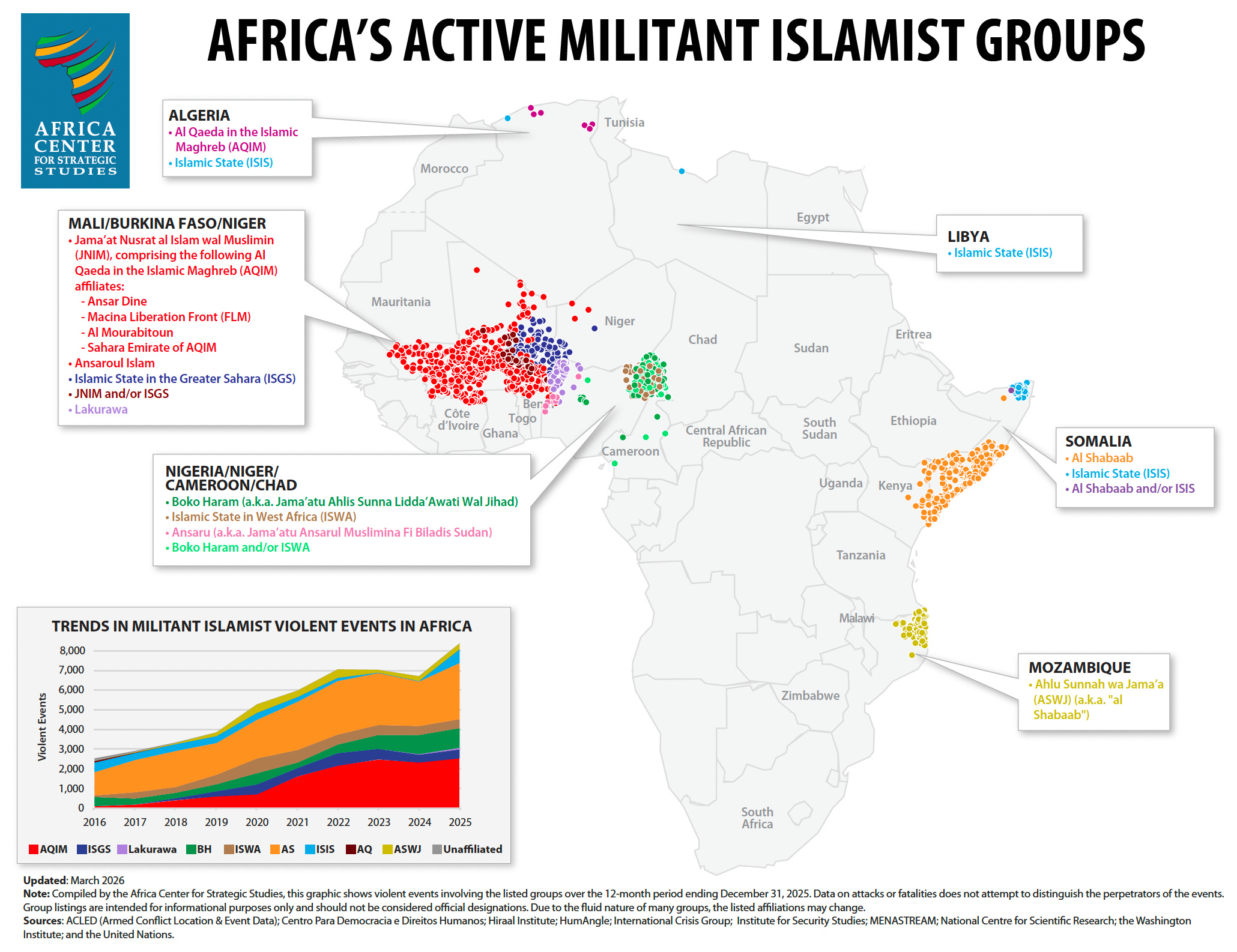
The region now accounts for over 50% of global deaths from terrorism. At the time of writing, Mali’s capital is under attack by jihadis.
Islamic Trade Networks
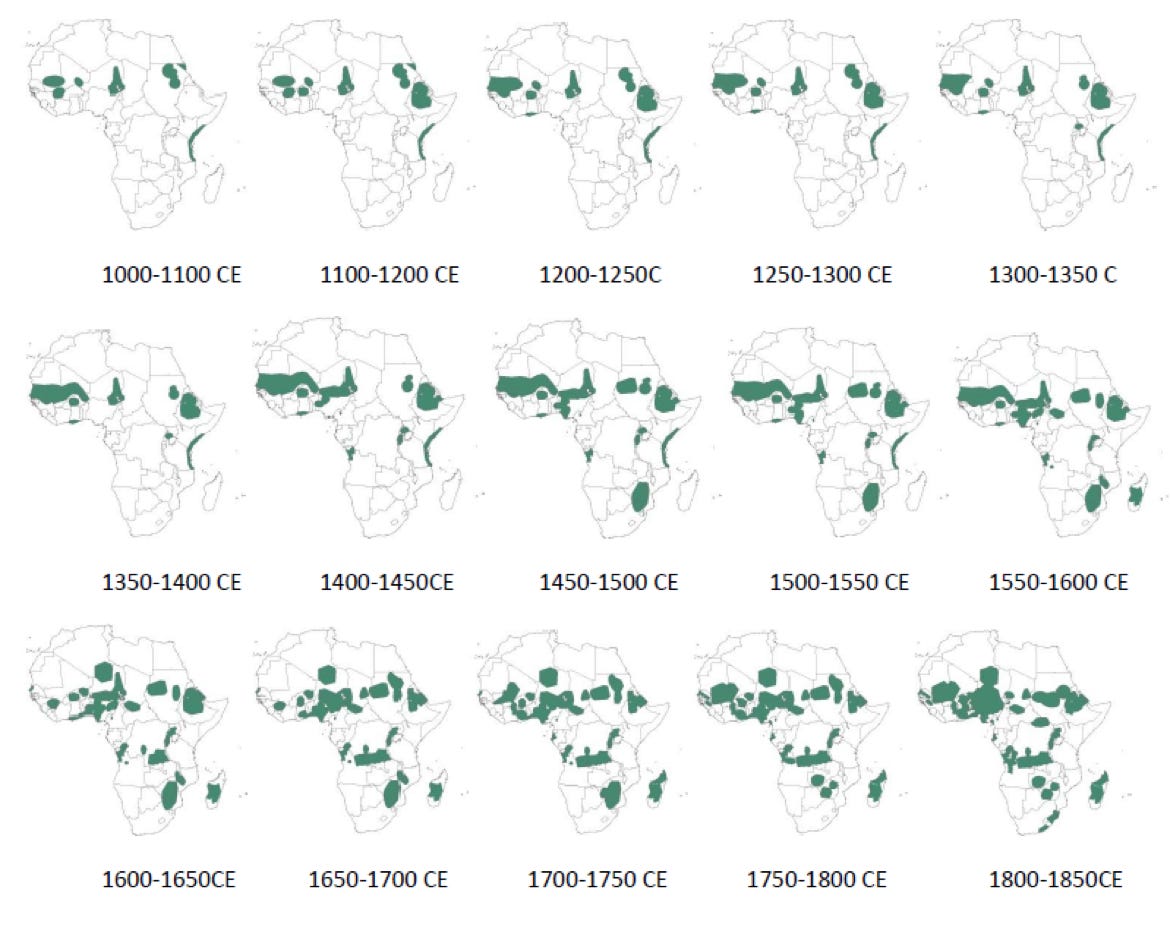
The Sahelian-Sudanic belt had a distinctive ecological package that aided early state formation.
This zone largely escaped the tsetse fly, which transmits trypanosomiasis and causes sleeping sickness in cattle and horses. As Marcella Alsan shows, tsetse-suitable areas were less likely to sustain large domesticated animals, intensive cultivation, higher population density, or political centralisation.
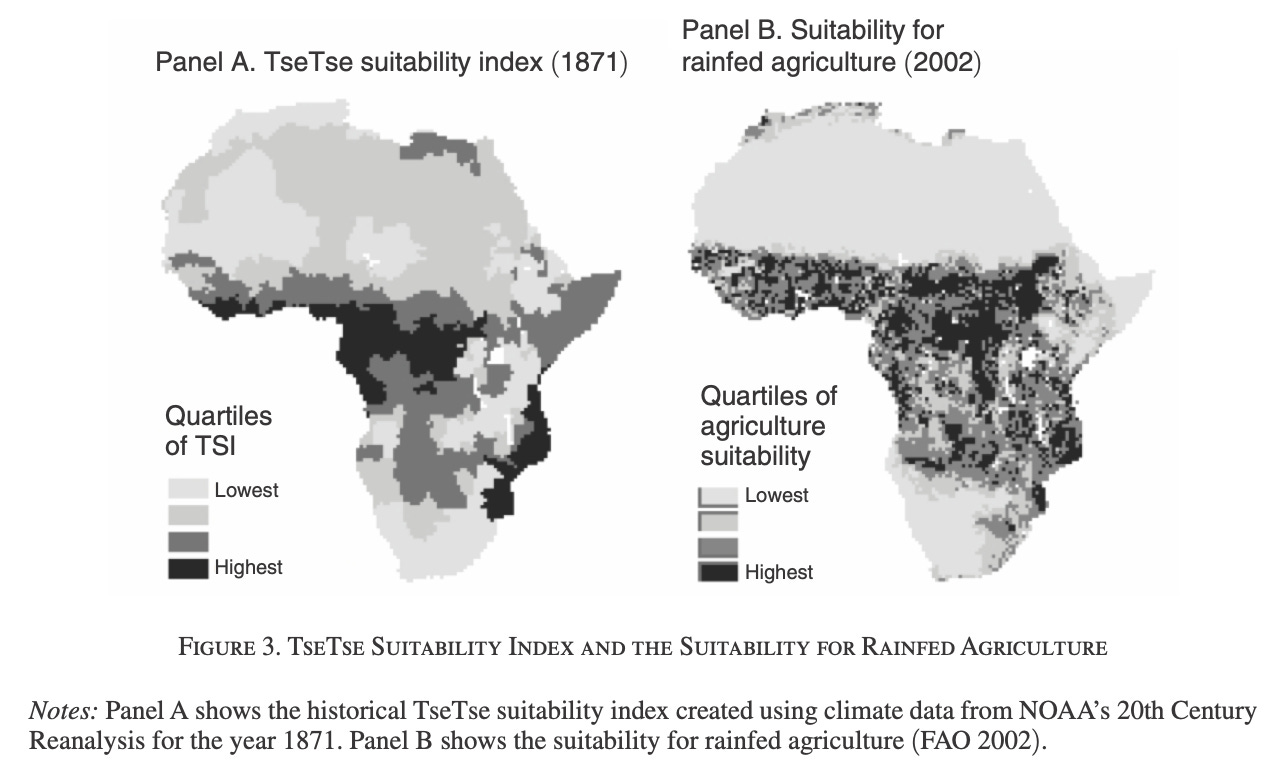
The Sahelian-Sudanic belt also lay within Africa’s cereal zone. Millet and sorghum could be grown, hoarded and taxed - supporting political extraction. Yet cereal yields remained relatively low, so states leant more heavily on trans-Saharan and Red Sea commerce.
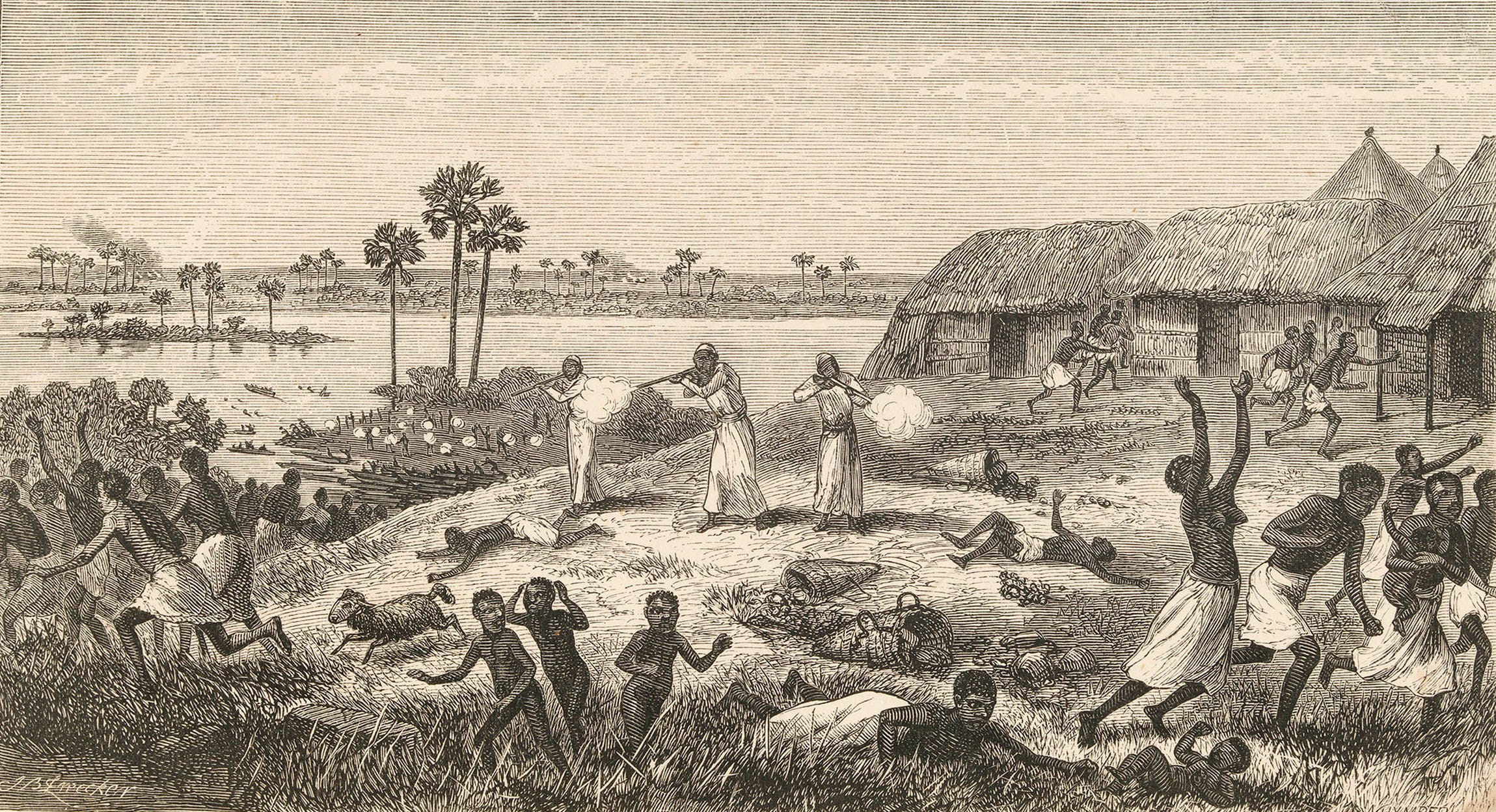
Rulers and war-bands increasingly exchanged human captives for Arab and Barbary warhorses (which survived longer without the TseTse fly). These imported mounts provided a major military advantage, enabling riders to encircle a village, set it ablaze, chase down runaways, tie captives to their horses, and carry off children crammed into small sacks. Beyond slave-raiding, horses enabled leaders to build up control across a far larger expanse, subjugating peripheral communities who were captured, assimilated or escaped to rugged terrain.
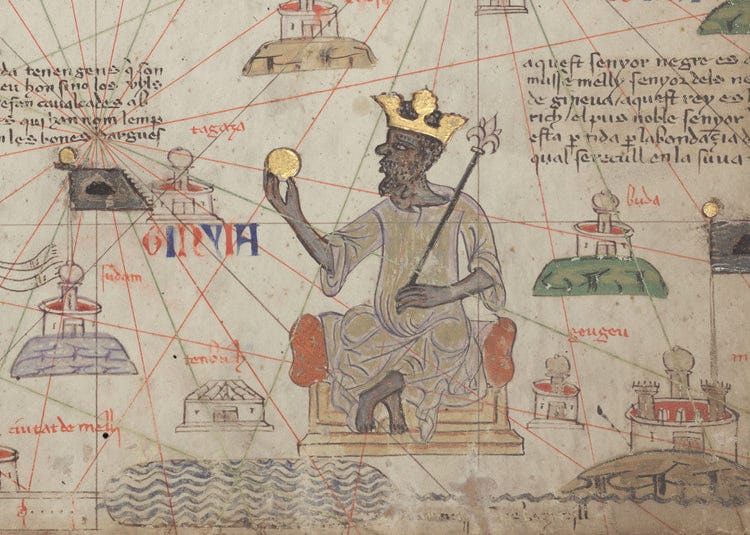
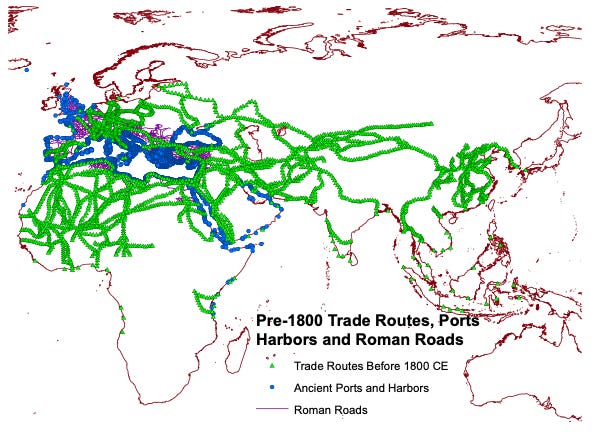
As rulers procured yet more warhorses and profited from Islamic trade networks across the Sahara and Red Sea, they built up larger empires. In 1324, the Malian king Mansa Musa led a gold-laden slave caravan to Mecca to perform the hajj. This exchange in gold, slaves, and warhorses also underpinned the 15th-century Songhay Empire. Early states thus drew strength from ecology and trade networks built on trading gold, salt, and also slaves.
Military Might without Public Goods
Slave-raiding enabled militarily superior groups to seize captives and scale up, but these were not cohesive, developmental states. Raiders plundered peripheral communities and gained military strength, while the continual scramble for slaves generated destructive competition, as states and militias warred over people, generating endemic insecurity.
Eurasian rulers likewise built war machines and glorified militarism, but their ultimate goal was to acquire more territory. Governments sought to amp up agricultural production, extract revenue and prevent internal rebellion. Ultimately, this generated greater bureaucratic state capacity.
Sub-Saharan African wars were different - seizing people. And as Dincecco, Fenske and Onorato demonstrate, historical warfare in Sub-Saharan Africa is associated with both higher fiscal capacity and higher civil conflict. Wars helped rulers extract revenue, but did not build broader peace.
Powerful states existed, but excelled in raiding, rather than building law and order, public goods, or national cohesion. Without a strong sense of the national community, people’s strongest loyalties remained local.
Islamisation and Fractured Ethnicities
Trading with Arabs across the Sahara, Sahelian-Sudanic rulers usually converted to Islam. Clerics offered literacy, spiritual potency, and a unifying identity of religious brotherhood.
But the region’s encounter with Islam was distinctive. In Eurasia, Muslim conquerors took over older agrarian states, with established institutions of administration and taxation. In the Sahelian-Sudanic semi-arid belt, by contrast, many communities were highly mobile (like the Tuareg traders and Fulani pastoralists), settlements were sparse, and rulers struggled to project power at scale. Thus even as people converted to Islam, many continued to see themselves as different ethnicities.
In the late 18th century, Fulani scholar ‘Uthmān dan Fodio preached reform, denouncing Hausa rulers as unjust and insufficiently Islamic. His movement not only attracted religious students but also ex-pastoralist freelance fighters, eager for loot and female captives. Victorious jihadis then established emirates and the Sokoto Caliphate became the largest 19th-century state in Sub-Saharan Africa.
Sokoto consolidated territory, built walled towns, established slave agricultural plantations, textile manufacturing, as well as Sharia courts. Learned scholars debated who precisely could be enslaved. But administration remained highly personalised. There was no standing army, no police force, no local coinage, no imperial buildings, and little durable public infrastructure. The state was not an impersonal bureaucracy, but rooted in local administrators and lineages.
Nor did Sokoto ever resolve the problem of cohesion. When dan Fodio died in 1817, allegiances fractured so badly that a second jihad had to be fought to re-establish the right to rule.Beyond the reach of cavalry, large zones of woodland and uplands sheltered dissidents, runaways, and raiders.
Older distinctions remained so salient that early Sokoto rulers used them to demarcate Islamic legal categories of enslavability. Commander of the Faithful Muhammad Bello explicitly identified peoples and regions such as Gwari, Bauchi, Borghu, and Nupe, along with Maguzawa communities, as legitimate targets for enslavement.
Subsequent colonialism, post-colonial independence and international intervention in the wider region have reinforced earlier militarism, but struggled to police vast territories and build up impartial public administration.

Poverty, Low Schooling & High Fertility
A growing quantitative literature suggests that African regions historically under Islamic rule now tend to have lower human capital, higher fertility, and weaker economic development.
Areas once governed by Islamic states now experience higher infant mortality, fewer years of education, and lower density of nightlights. Bauer, Platas, and Weinstein find this result, even after controlling for geography. They argue that regions under Islamic rule were treated differently under European colonialism, receiving less missionary education and educational investment as well as more indirect rule.
I would add that like many other world regions, Muslim African societies often resisted rival religions, seeing these as threatening their own legitimacy and prestige.
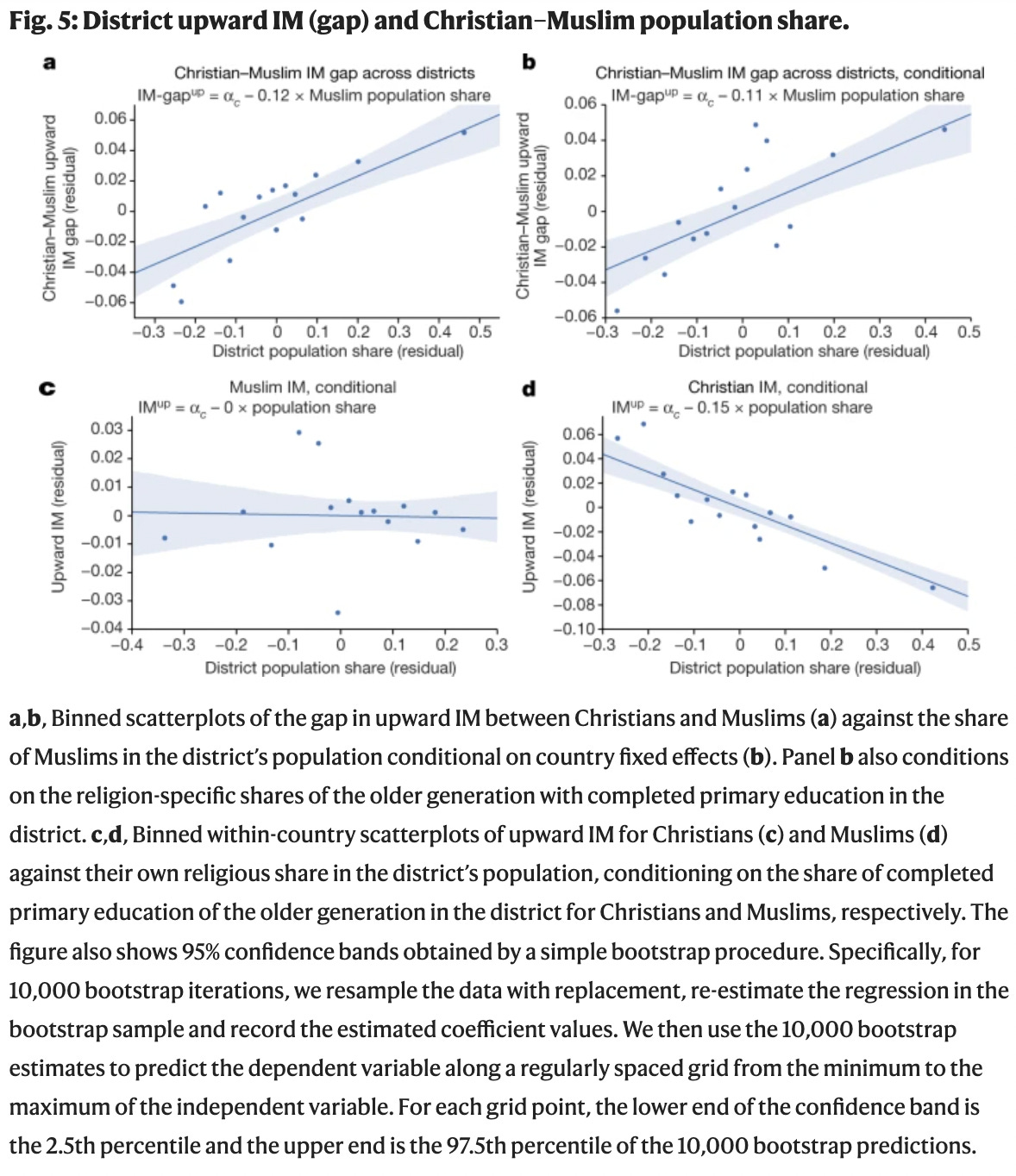
At independence, Muslim Africans were concentrated in poor, rural interior regions. They also tended to be less educated. That initial disadvantage has persisted. Even after controlling for parental education and location, Muslim Africans also have markedly lower educational mobility. Alesina and colleagues show that of Nigerian parents with no schooling, 80% of Christian children but less than 50% of Muslim children will complete primary school. Muslim Africans are also less likely to move to more prosperous places.
This gap in educational mobility is much larger in regions where Muslims are a majority, surrounded by other Muslims. So this is not just a story of a poor start, something is preventing uplift.
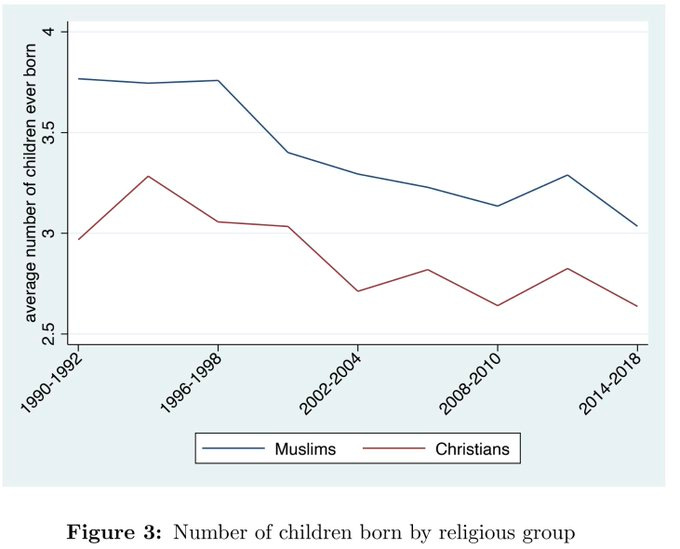
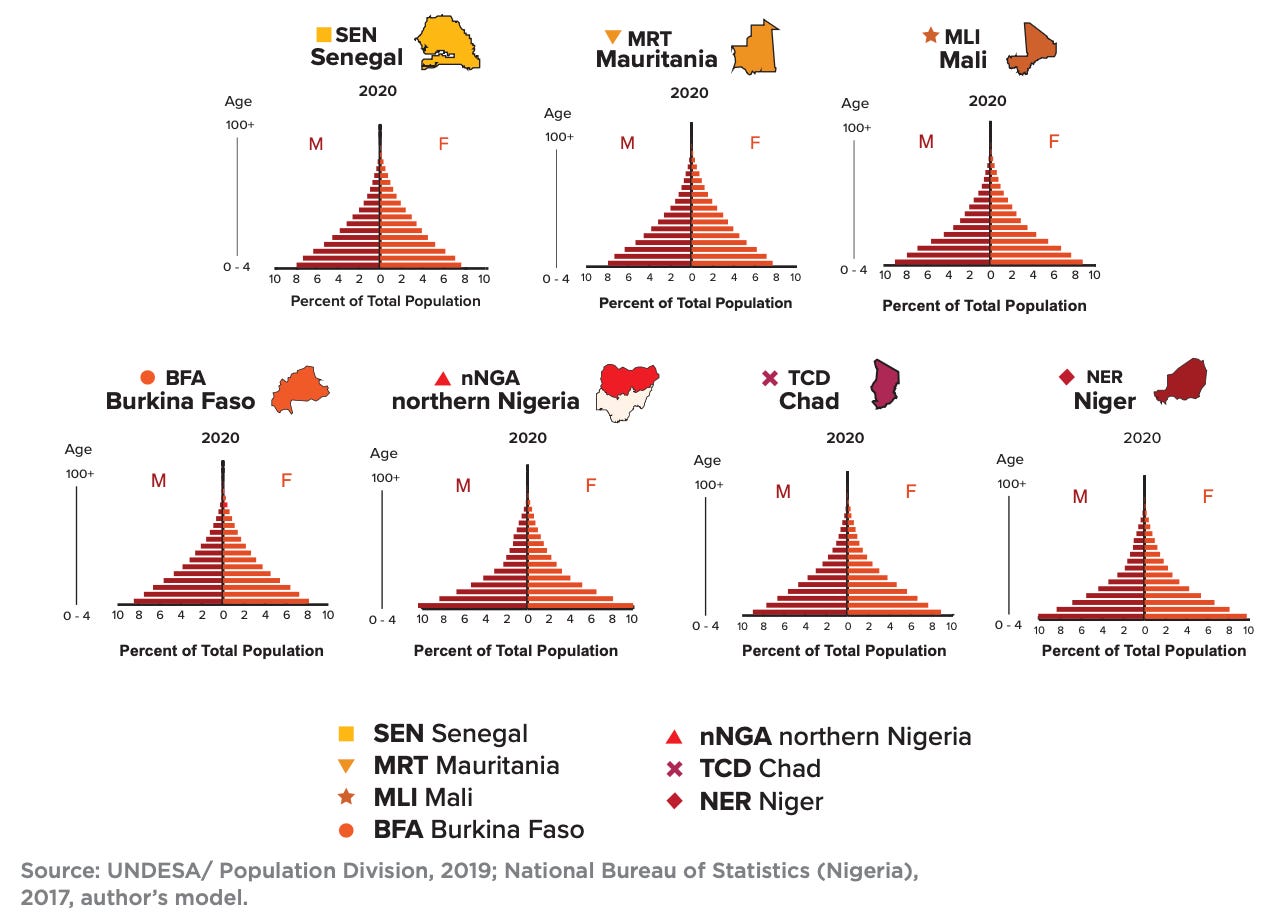
Muslim Africans also tend to have more children, even than Christians of the same ethnicity, find Phoebe Ishak and Mark Gradstein. These differences are strongest Muslims are a majority.
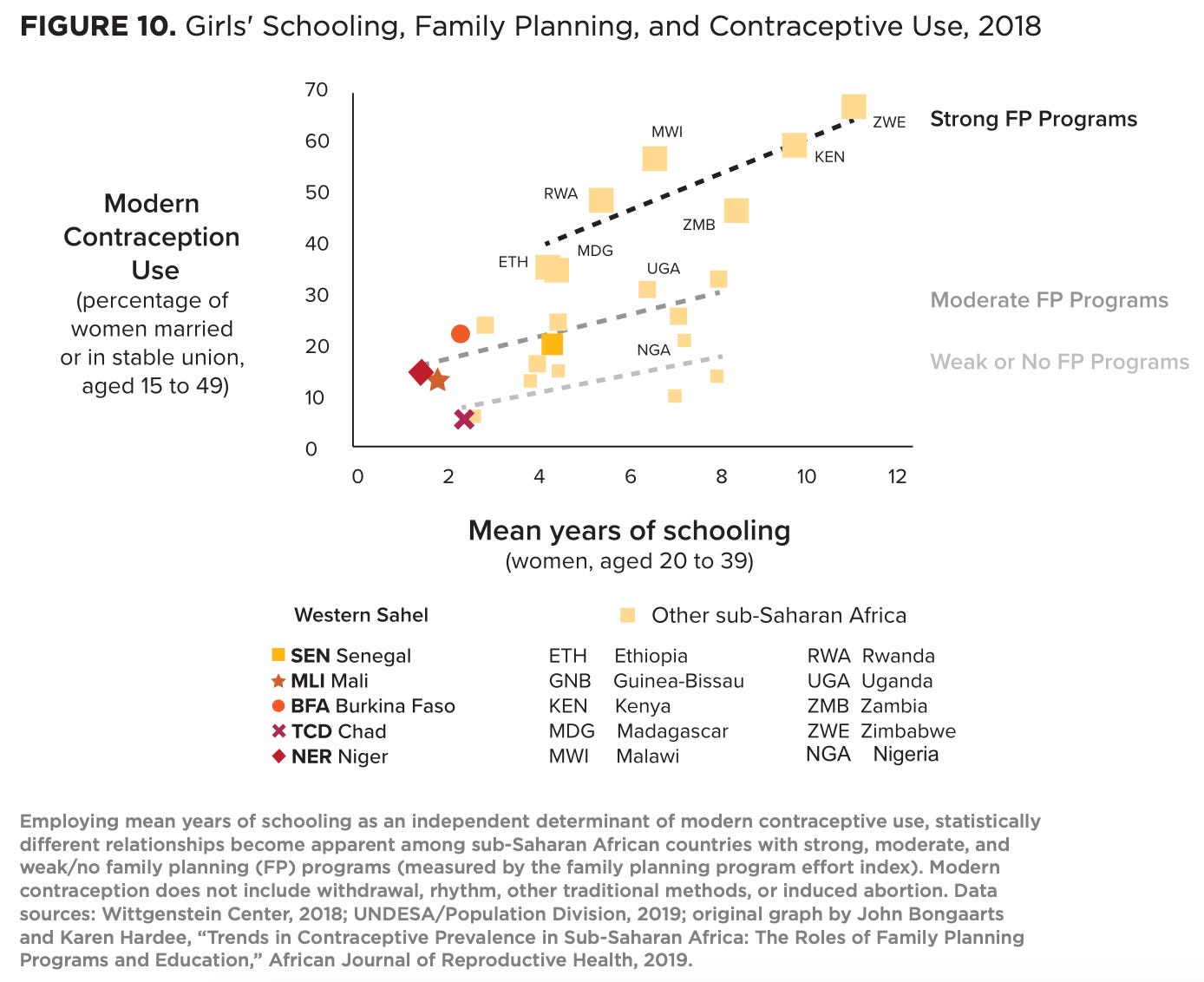
Muslim African fertility is higher because such women are less educated, younger at age of marriage, younger at age of first birth, less likely to work, and less able to achieve their preferences. Muslim husbands tend to want more children, and impose their will. In Chad, women under 39 typically have 2 years of schooling, and only 5% of married women use modern contraceptives.
Patriarchal beliefs are not only widespread, but routinely legitimised by Islamic preachers. When Mali’s government amended the law such that wives were no longer obliged to obey their husbands, Islamic organisations mobilised tens of thousands of people to march in opposition, forcing the president to backtrack. 60% of Malian respondents now say girls and women should not decide for themselves whether and when to marry.
Muslim African polities were thus initially disadvantaged by lower schooling and under-development, and have struggled to catch up. As preachers repeatedly reinforce men’s righteous dominance, while condemning contraception, Muslim African women bear more children than they actually want. This results in an expanding youth bulge, but without corresponding gains in job creation, productivity or state capacity. More young men struggle to secure status.
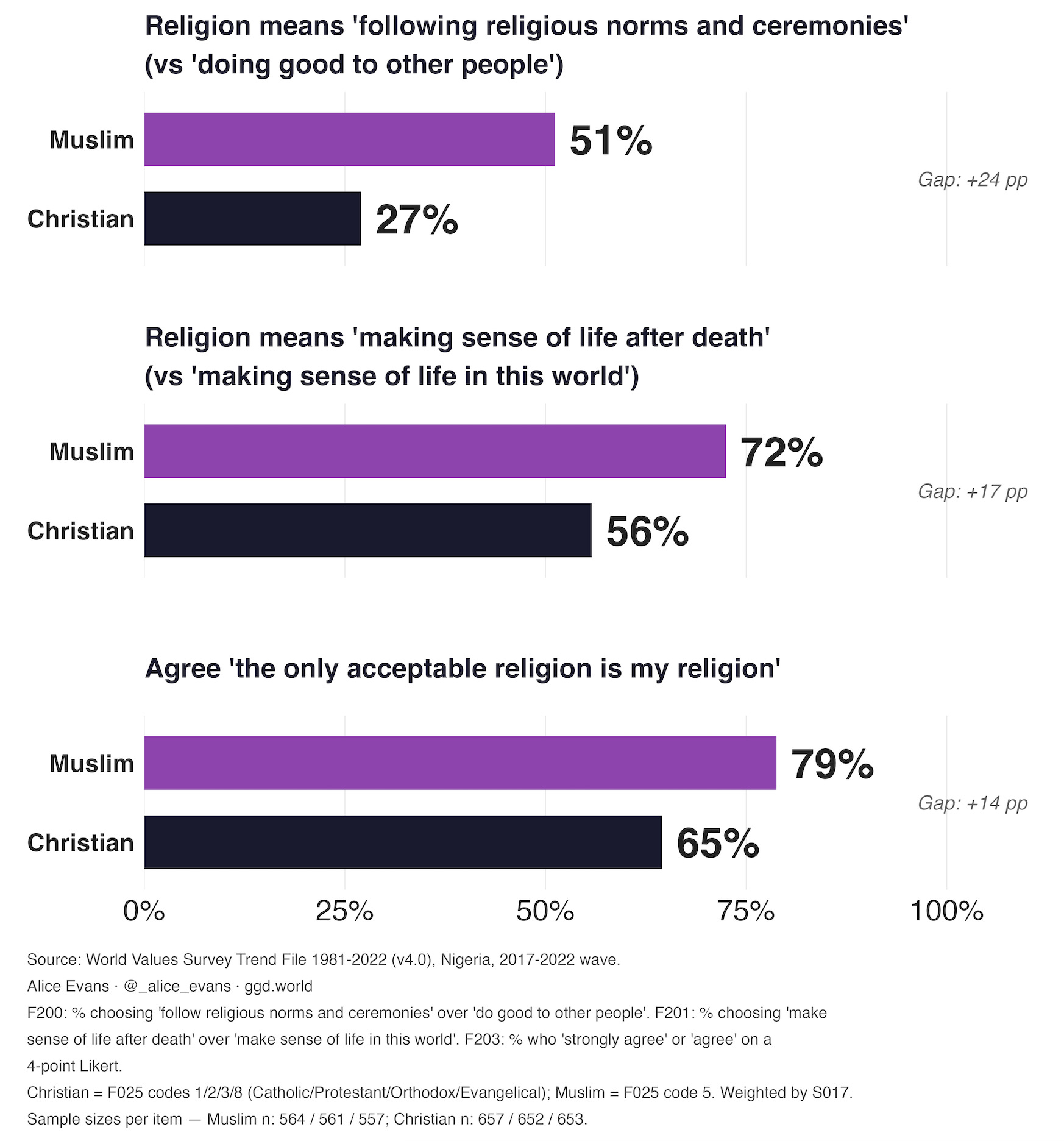
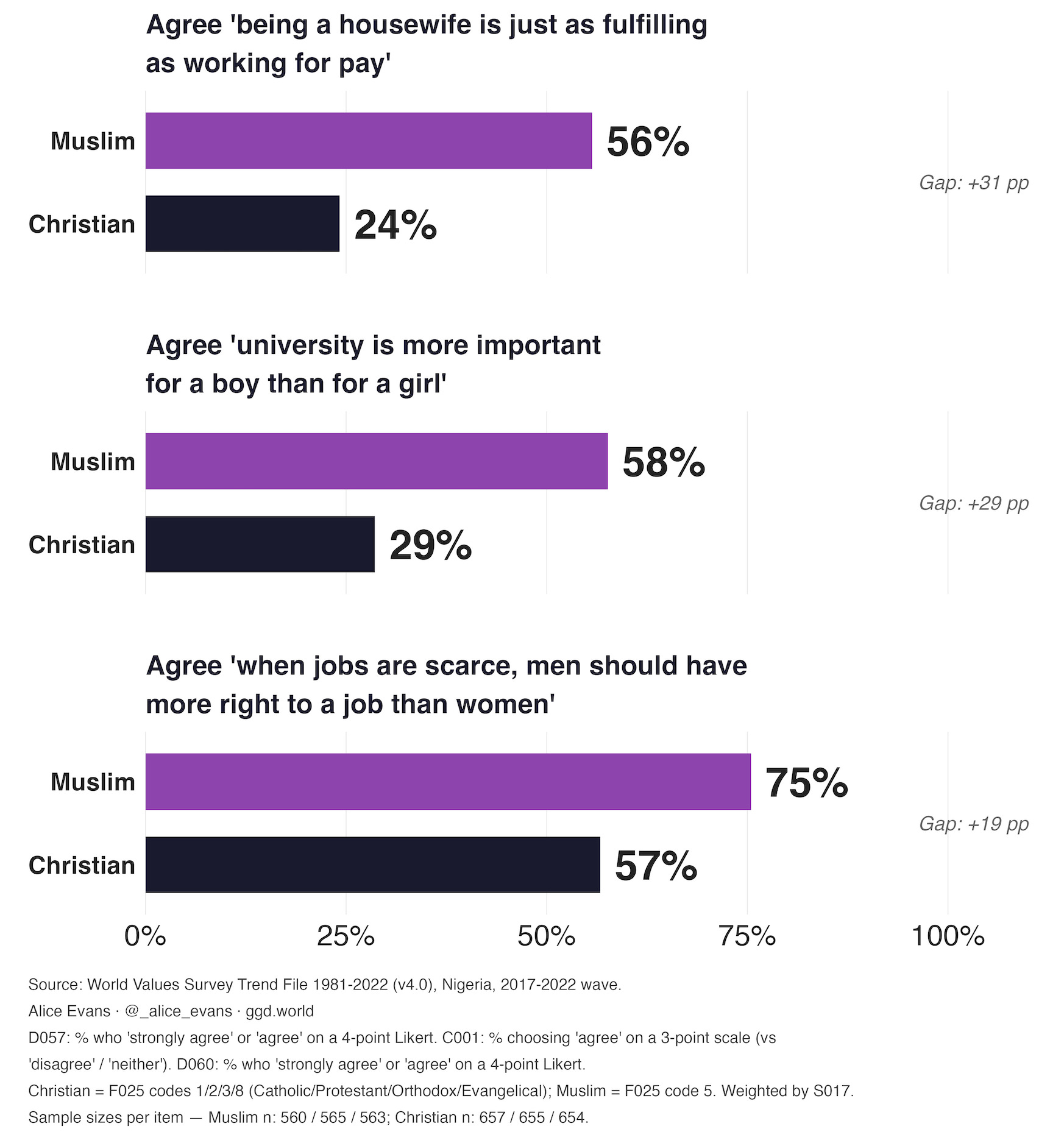
Muslim & Christian Nigerians have different moral priorities
Islamic preachers may be reinforcing development disadvantage by championing early marriage and large families, while reiterating that our primary objective is to reach paradise.
In World Values Survey data, Muslim Nigerians put greater weight on obeying religious norms (rather than doing good to others), reaching paradise, and are usually more intolerant.
Muslim Nigerians also express far more patriarchal beliefs, consistently valuing female housewives, boys’ education, and men’s right to jobs.
Polygyny
Polygyny carries prestige across Muslim West Africa, and is strongly supported. It also appears to have major developmental outcomes, with women in polygynous countries marrying 5.1 years earlier and having 2.2 more children.
Polygynous unions can also be fraught with rivalry, conflict and competition. Analysing Africa’s Demographic Health and Surveys, Opoku Ahinkorah shows that polygyny is a major predictor of intimate partner violence.
Polygyny also steepens marriage inequality, tilting the marriage market towards older men with livestock, land and status. As richer, established men procure additional wives, bride prices rise. Using georeferenced data on more than 800 African ethnic homelands, Koos and Neupert-Wentz find that ethnic groups sharing more border with polygynous neighbours suffer substantially more intergroup conflict. Young childless men from polygynous groups are also more likely to feel unfairly treated and more likely to view violence as justified.
In Northern Nigeria, families may prefer to match with richer, often already-married older men, squeezing out young men. Higher marriage inequality then predicts more Boko Haram violence, and more abductions.

Commanding Right & Forbidding Wrong
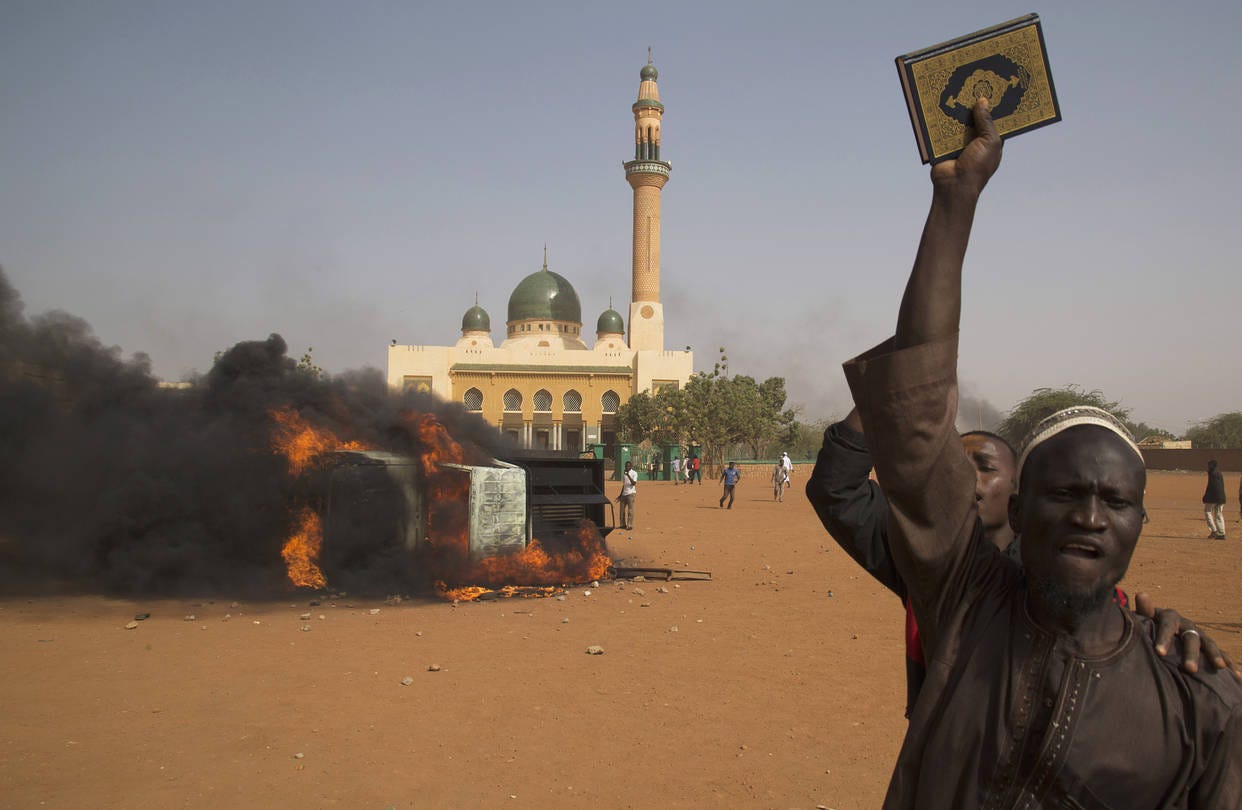
Preachers have leveraged radio, cassettes, and now smartphones to stir religious fervour, urging believers to command right and forbid wrong. As Muslim publics grew more orthodox and pressed for sharia, politicians cloaked themselves in Islam. In northern Nigeria, 12 states have expanded sharia, promising Allah’s blessings, while hisba agencies patrolled markets and punished deviance.
Islam can be intensely consoling. In my interviews, Muslim men describe collective prayer as profoundly peaceful and affirming, taking heart that our sufferings are merely temporary, and that emulating the Prophet brings righteous purpose, as well as eternal paradise. Moral policing can also be thrilling - denouncing others as lax, presenting oneself as pious. All this can be tremendously reassuring.
With this Islamic revival, old grievances are recast as righteous jihad. In the 1960s and ‘70s, many struggles across the region were expressed as ethnic, regional or separatist. But especially after 9/11 and the Iraq war, frustrated men have used the language of holy war, denouncing leaders as corrupt and unIslamic, while justifying violence with calls of ‘Allahu Akbar’.
Rural peripheries have proved easy targets. In borderlands, where the state is weak, ethnicities press grievances, desertification creates conflicts over scarce pasture, terrorists find safe passage for smuggling, training and illicit economies.
Interviewed combatants from across the Sahelian-Sudanic belt have shared that they joined because they were economically frustrated and were persuaded by Islamic militias promising material gains, community belonging and rewards in the afterlife.
“I joined because I felt frustrated with the conditions of everyday life, the life that I lead. I was so poor and vulnerable, with a family to take care of. I thought that in the group I would have a better status as a scholar, I would be better off and in the worst case scenario I would die as a martyr.” Moustapha, 39 years old, Niger
“We were told we will get money and wives when we join the group. We were told we will go to heaven when we die in battle.” Goroma, 23 years old, Nigeria.
All this created a tinder box - ignited by the contingent, proximate trigger of the Libyan civil war. After Libya collapsed Tuareg fighters who had previously been employed by Muammar al-Gadaffi then returned to Mali with their weapons, seeking autonomy in the northern region and joining militant jihadis to launch an insurgency. Conflict further inflamed ethnic divisions and triggered a military coup. Mali’s military junta then pursued support from Russia. Terror attacks continued to escalate, and in April 2026 Islamists stormed the capital.
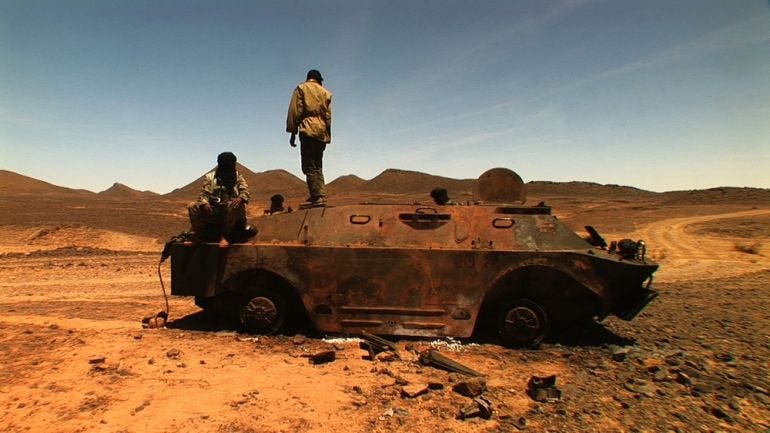
Why Did Sub-Saharan Africa’s Earliest States Became So Fragile?
The Sahelian-Sudanic belt is the site of Sub-Saharan Africa’s earliest political centralisation, now marred by low human capital and jihadist insurgency.
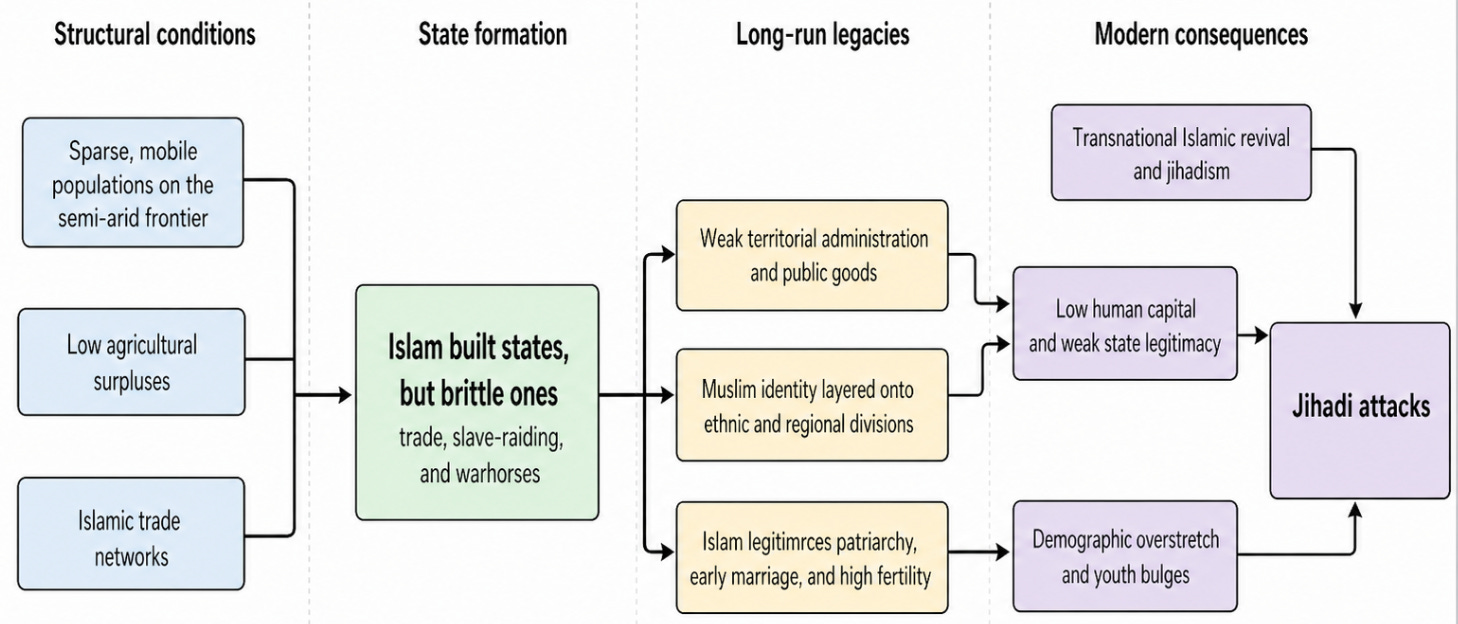
My suggestion is not that Islam made states weak. Rather, Islam entered a region where population sparsity, mobility, and low agricultural surpluses made territorial administration difficult. Given these constraints, Sahelian-Sudanic rulers built power joining a wider commercial network, trading slaves, salt, gold and warhorses across the Sahara. And although people converted to Islam, this did not erase older loyalties of lineage, ethnicity, and region. They remained deeply divided.
In the 20th and 21st centuries, governments have struggled to raise human capital, build state legitimacy, overcome ethnic polarisation, control vast semi-arid frontiers, or suppress peripheral rebellions.
Islamic revival may be further entrenching this disadvantage by encouraging believers to prioritise paradise, early marriage, and large families. With the transnational Islamic revival, jihadists enlist new recruits with offers of quick wins and eternal rewards. Excluded young men wage violence in the name of righteous jihad.
Related Essays
Excellent New Books on African History!
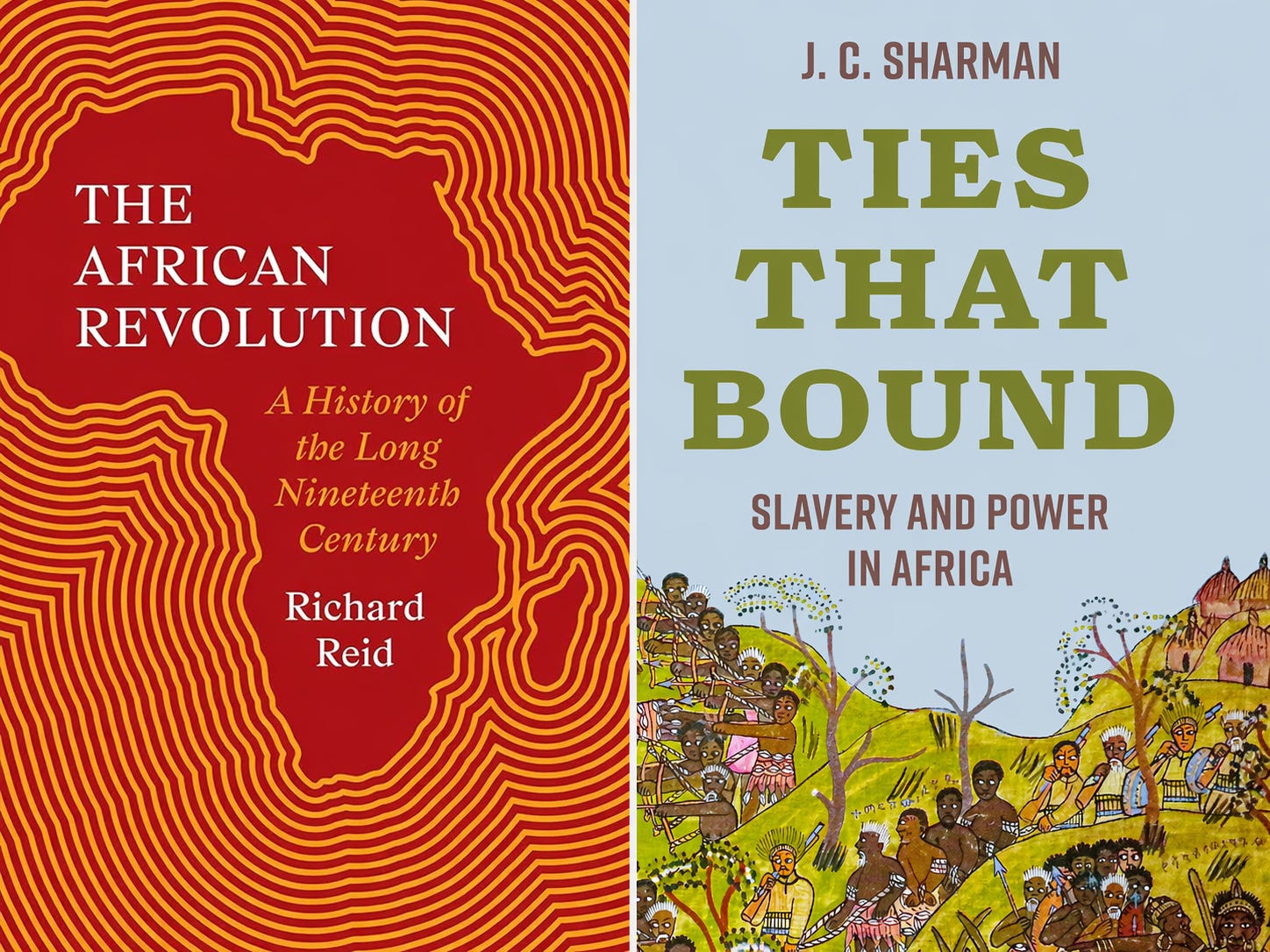
I greatly enjoyed Sharman’s (2026) Ties That Bound: Slavery and Power in Africa and Reid’s (2025) The African Revolution: A History of the Long Nineteenth Century. Reid superbly focuses on Africans’ agency, their prerogatives and ambitions. Sharman prevents a very compelling account of why endemic slave-raiding proved so devastating and destructive.
Postscript: what about Ethiopia?
Ethiopia also saw early state-development, as its highlands supported denser agrarian settlement, grain-cultivation, and territorial statehood. However, the state was still highly fragmented: soldiers were not paid but survived through plunder, so undertook opportunistic raids. Neighbouring polities paid tribute in ivory and slaves.
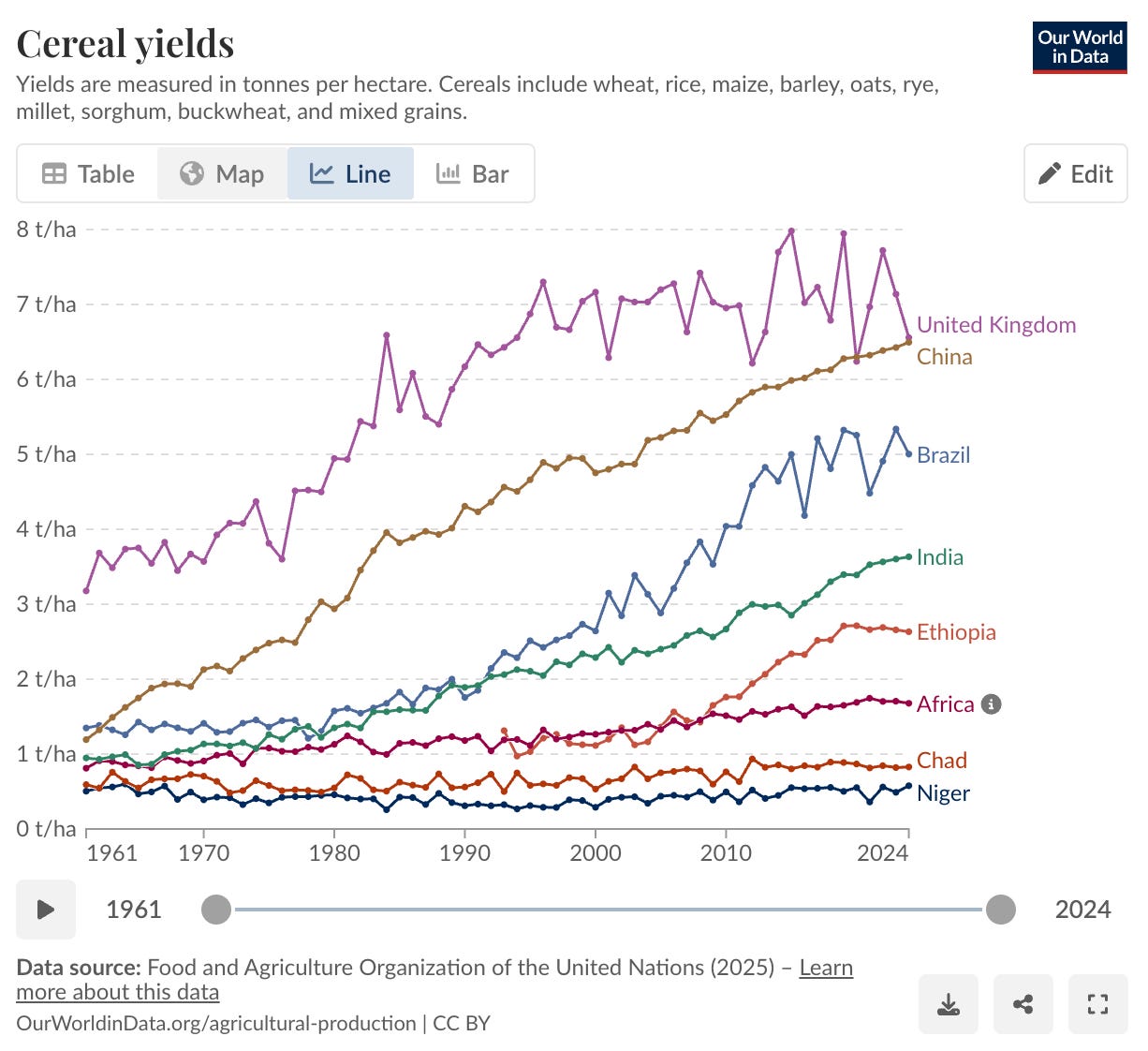
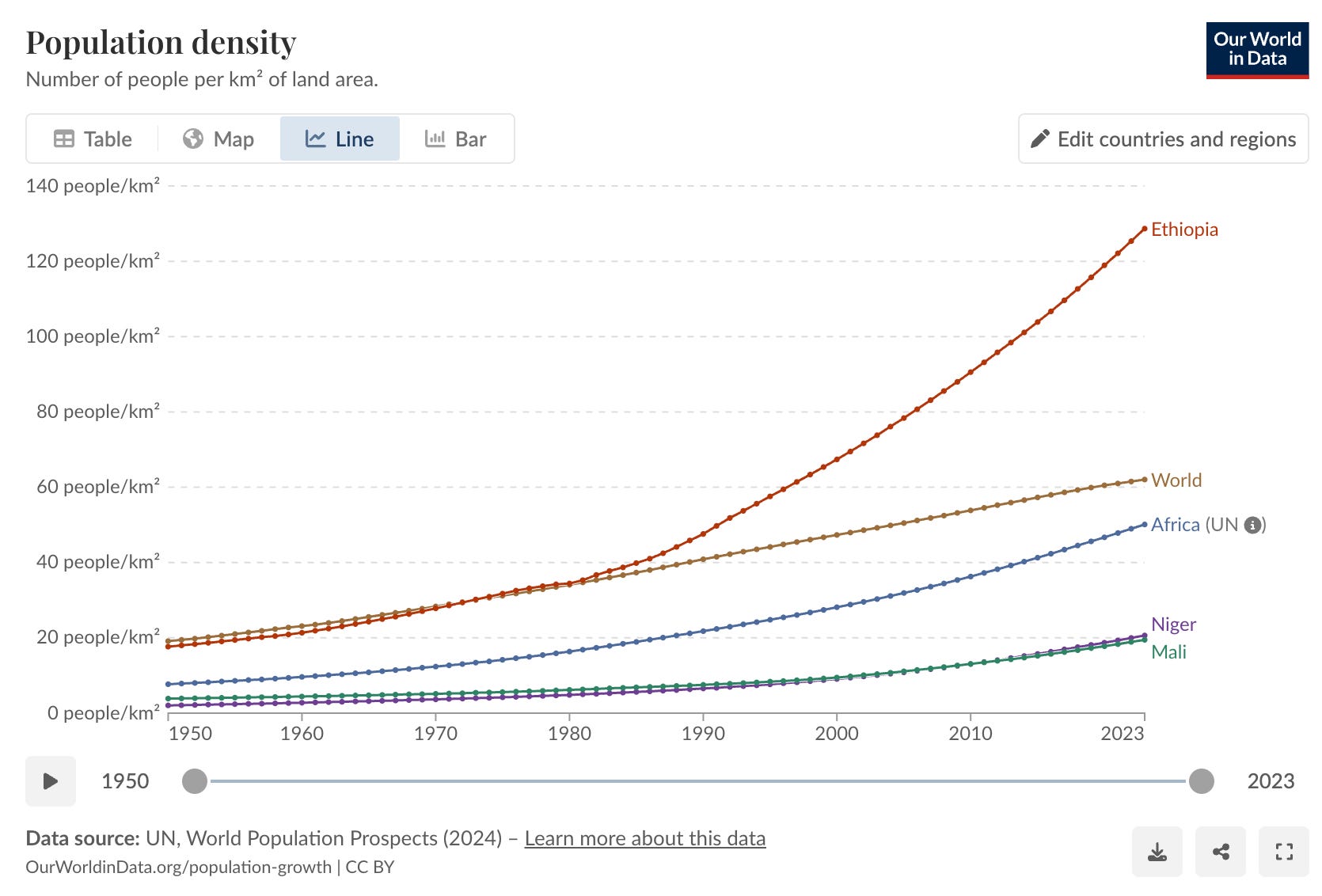
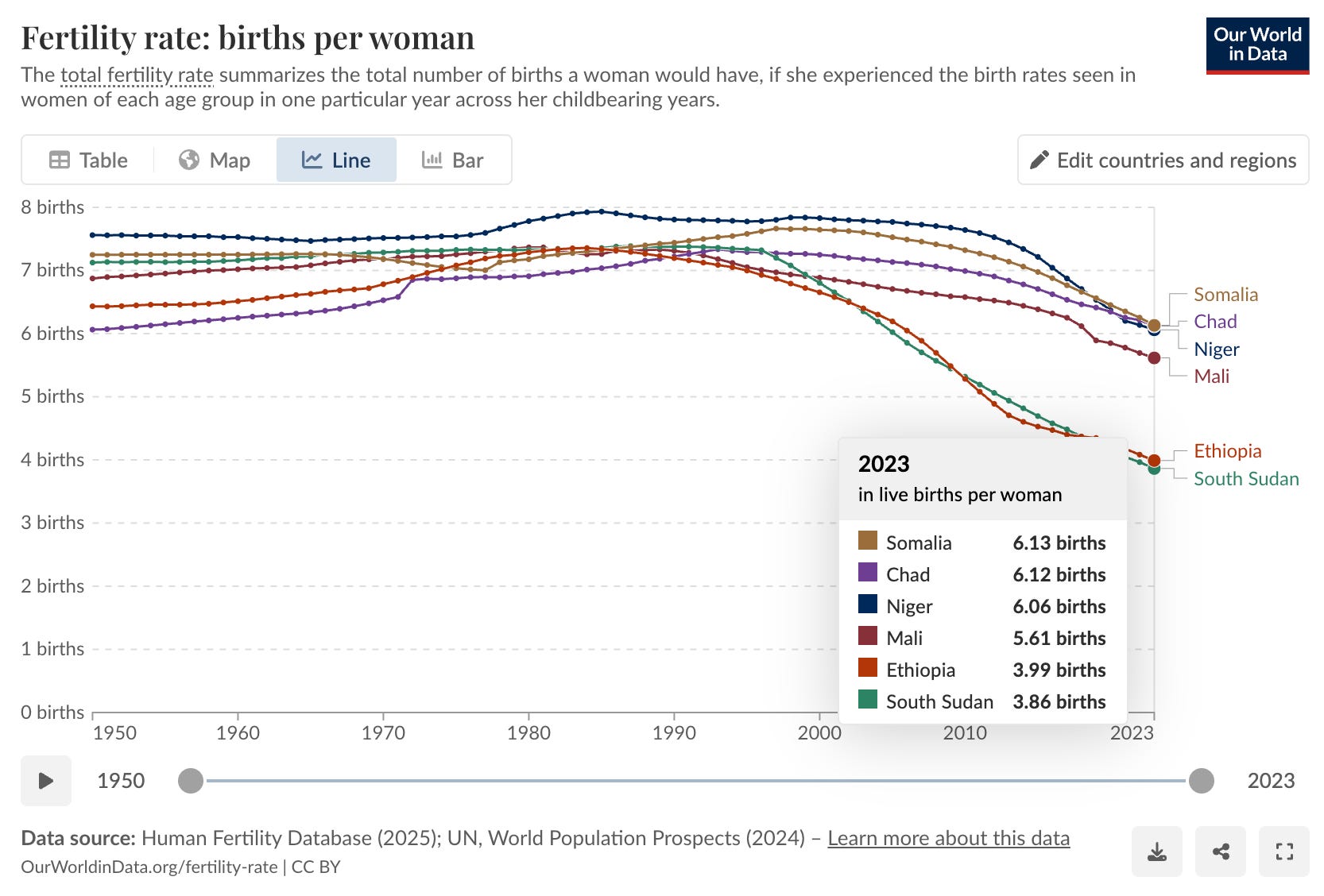
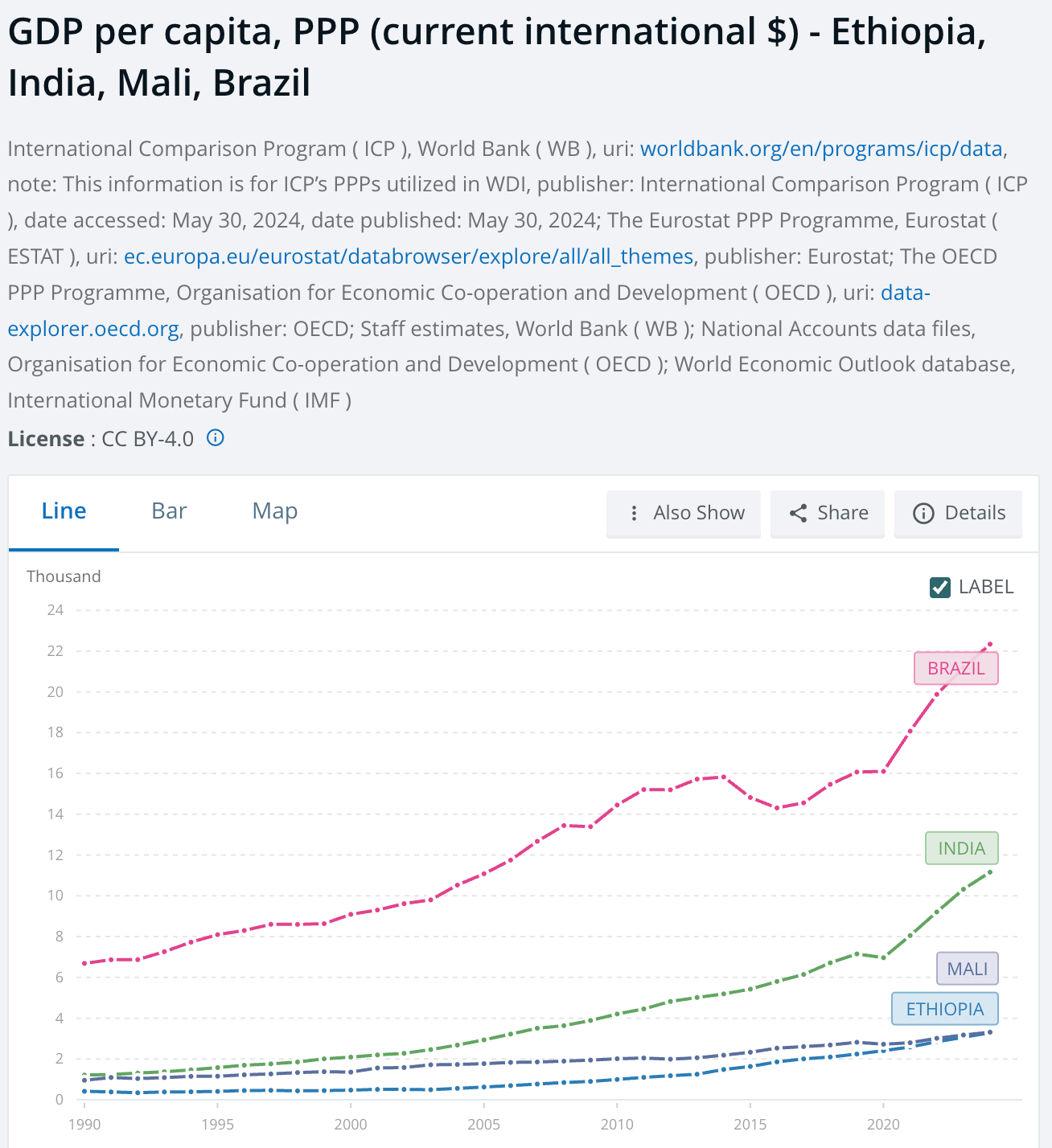
Ethiopia now has far higher population density and crop yields than Sahelian states, while it has reduced fertility much faster. Yet income per head remains low. So Ethopia does not refute my argument about the specific trajectory of the agro-pastoral Sahelian-Sudanic Muslim belt.

I would add another effect of Islam: Islam discourages Western influence. Therefore it would be less prestigious to adopt Western norms.
I predict we may see African Christians attempt to break away from their Muslim regions. This will happen as Christians realize their small family sizes make them have smaller populations. Therefore, they run the risk of being ruled by an emerging Muslim majority.
Nigeria in particular may go through something like the partition of India.
Not a word about European colonialism. British and French imperialists dominated sub-Saharan Africa, north and south, through vastly superior technology. To administer their states they favored Christians and non-white South Asians. European and American missionaries provided education and health care to Christian populations. For commerce, the Europeans, especially the British brought in non-western, non-Christian, non-Islamic, store keepers to act as financial intermediaries, who, despite being non-white assisted the empire by organizing finances and administration. Gandhi is a famous example having earned his reputation by mastering European law and using it to better the lot of his fellow South Asians, but not Black South Africans.