


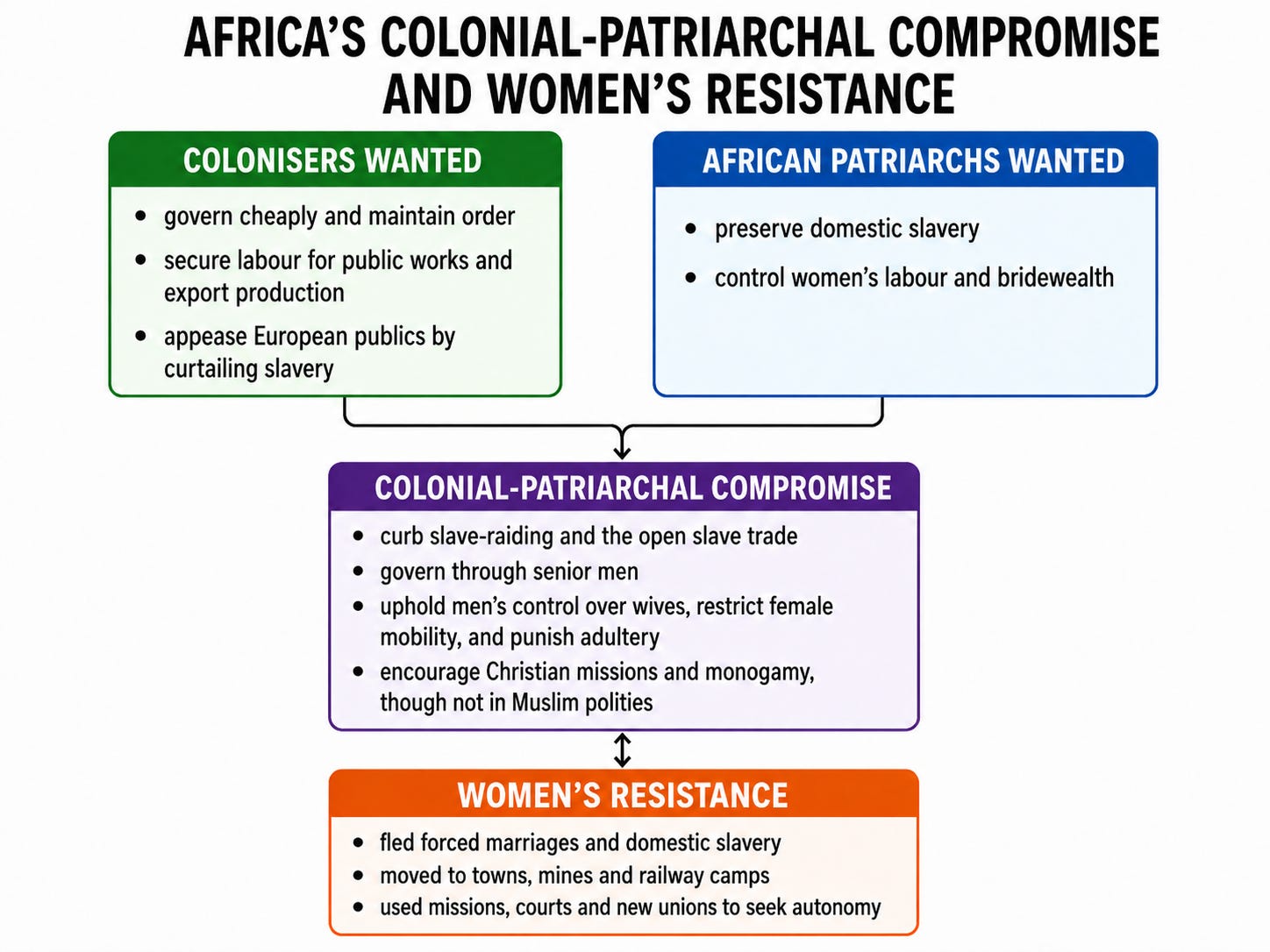
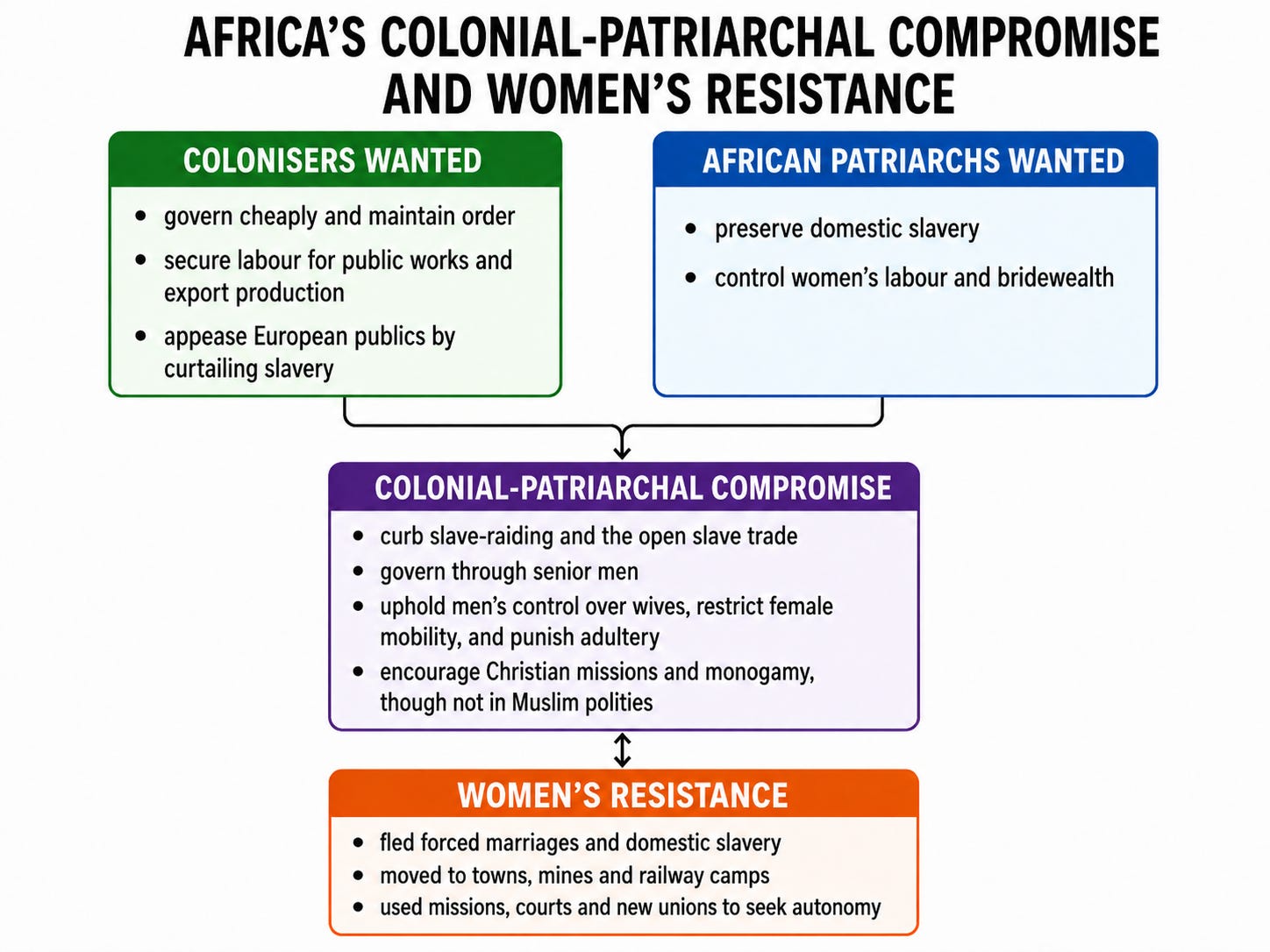
Colonialism is often blamed for consolidating patriarchy: ignoring women’s prior authority as queen mothers, market leaders and spirit mediums; elevating Victorian ideals of female domesticity; introducing patriarchal laws; and hardening rural despotism. But such critiques minimise Sub-Saharan Africa’s labour institutions that predated colonial rule: slavery, pawnship, and polygyny. They also minimise the political economy of empire. Europeans heavily depended on senior men whose authority rested on control over women’s labour and bridewealth. And that dependency created a precarious bind.
Colonial officials relied on chiefs to collect taxes, coerce cheap labour, and keep order in their overstretched territories. When senior men protested that wives, pawns and slaves were escaping to mines, markets and railway camps, officials began to bargain. The resulting colonial-patriarchal compromise preserved husbands’ control over wives’ labour and fathers’ claims to bridewealth. But, as I learnt during my PhD research in Zambia, women leveraged new opportunities to secure their own advantage.
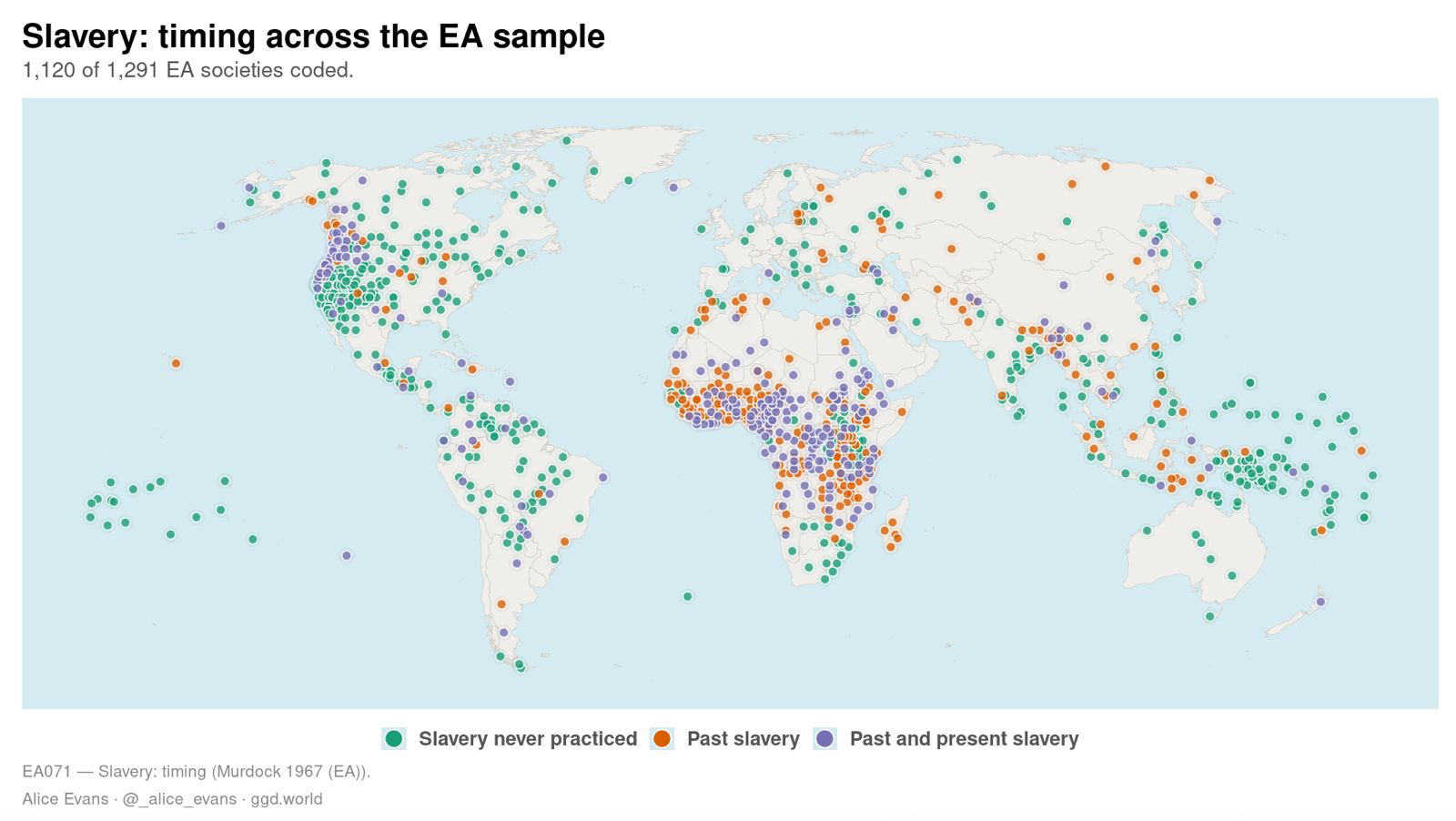
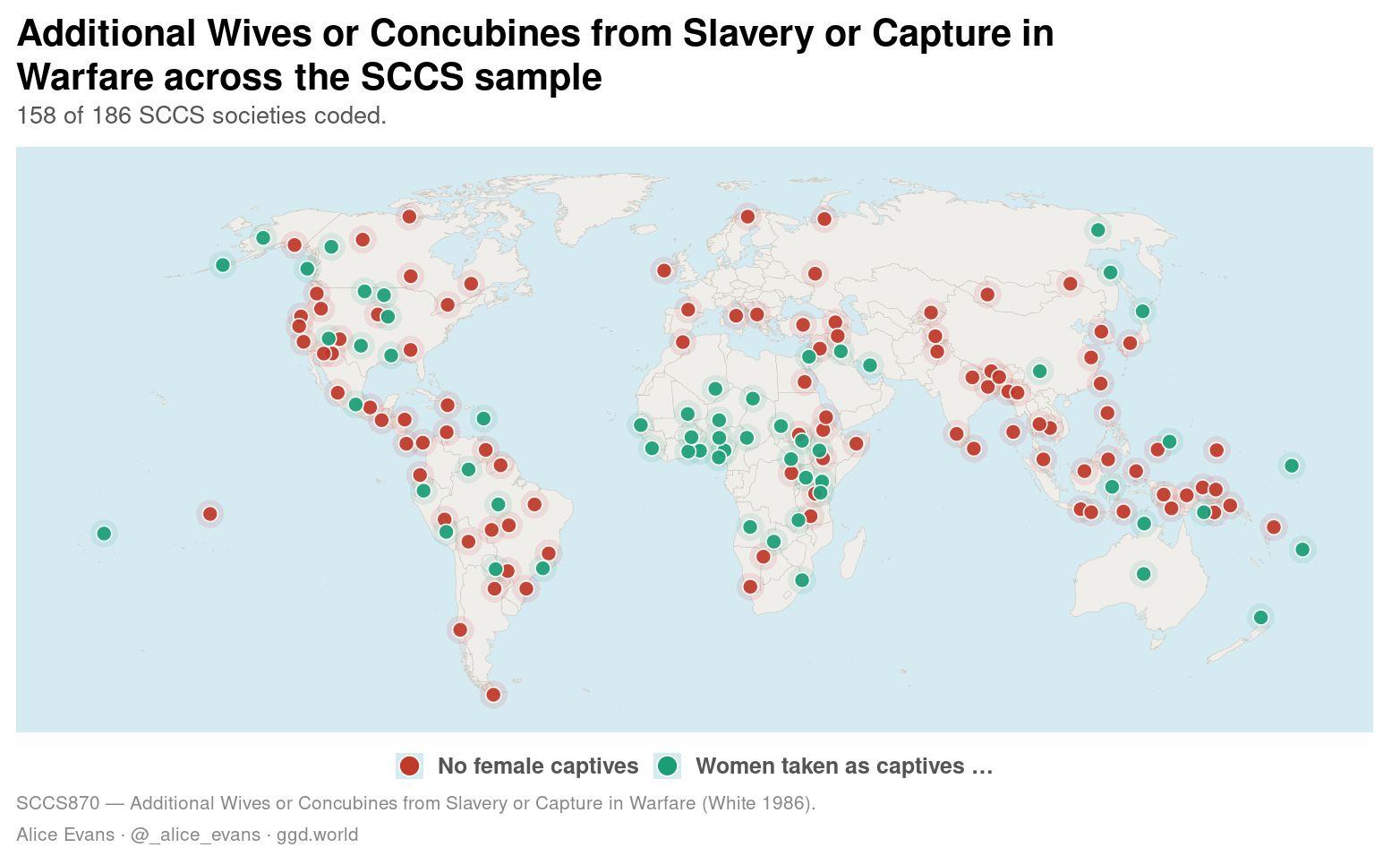
To recall, the binding constraint on Sub-Saharan African agricultural production was not land but labour. A man could cultivate as many farms as he could command workers, and he did so by acquiring more wives, children, slaves, pawns, clients and junior kin. Women planted, weeded, pounded grain, fetched water and firewood, made pots, bore and raised children and produced the surplus that advanced men’s status. In both matrilineal and patrilineal societies, men incorporated wives to expand their own lineage. Girls and women were also valued booty: seized by warriors to become concubines, resold for profit, or redistributed to consolidate male alliances. Commercialisation made command over labour even more valuable, raising bride prices.
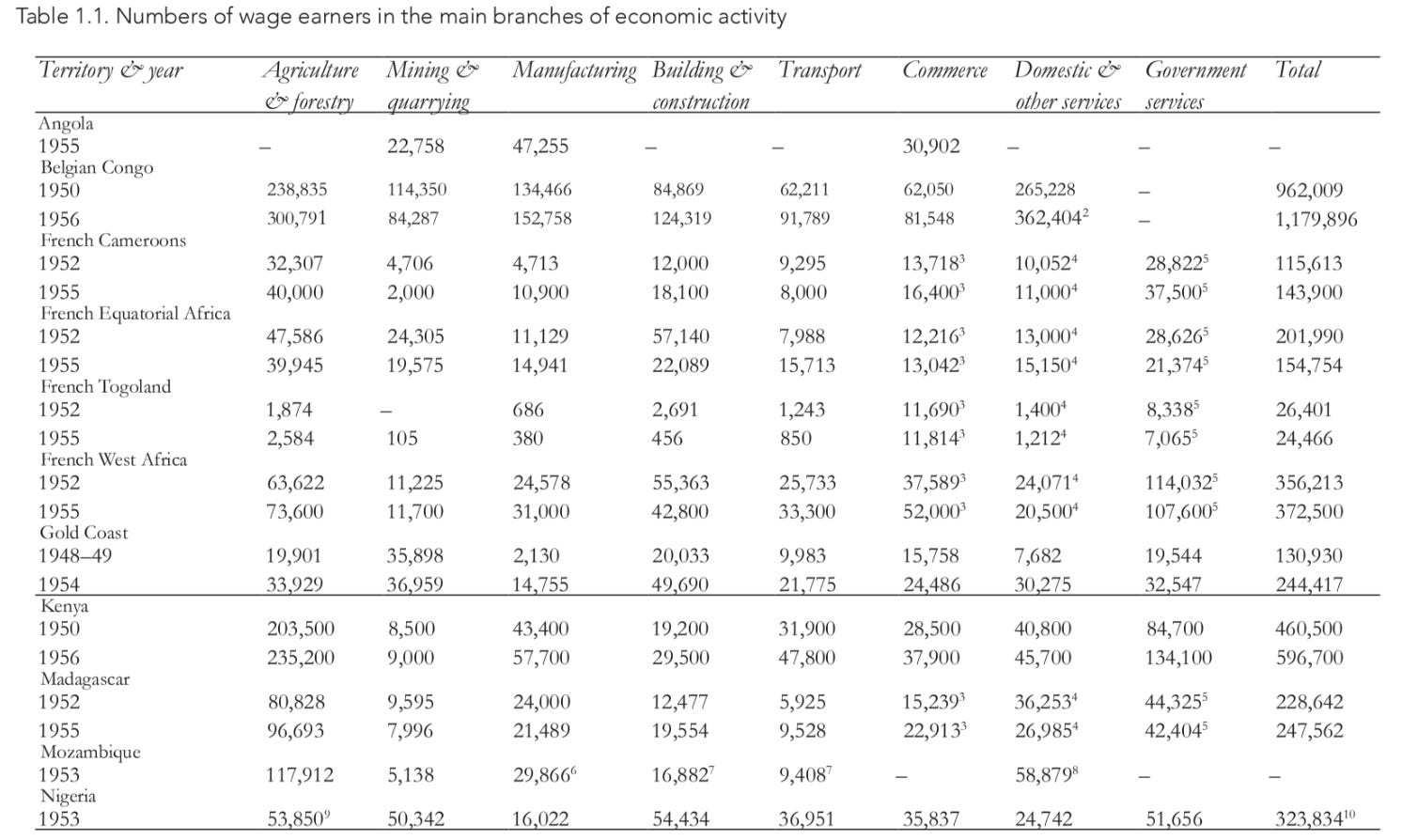
European colonisers marshalled superior firepower and brutal coercion to secure their own commercial advantage. African chiefs were integral to governance: collecting head or hut taxes and supplying contingents of able-bodied men so as to build infrastructure, like ports, roads, bridges, telegraphs and railways. These projects were invariably violent - in 1940s Portuguese Mozambique, over 800,000 Africans were compelled to cultivate cotton.
To maintain this alliance, European authorities permitted courts to uphold bridewealth, paternal authority and domestic servitude, while officials curbed women’s independent migration by requiring urban passes and punishing adultery. Cumulatively, they sought to reinforce men’s labour rents - extracting more labour than women would supply if they valued their own welfare and could freely exit.
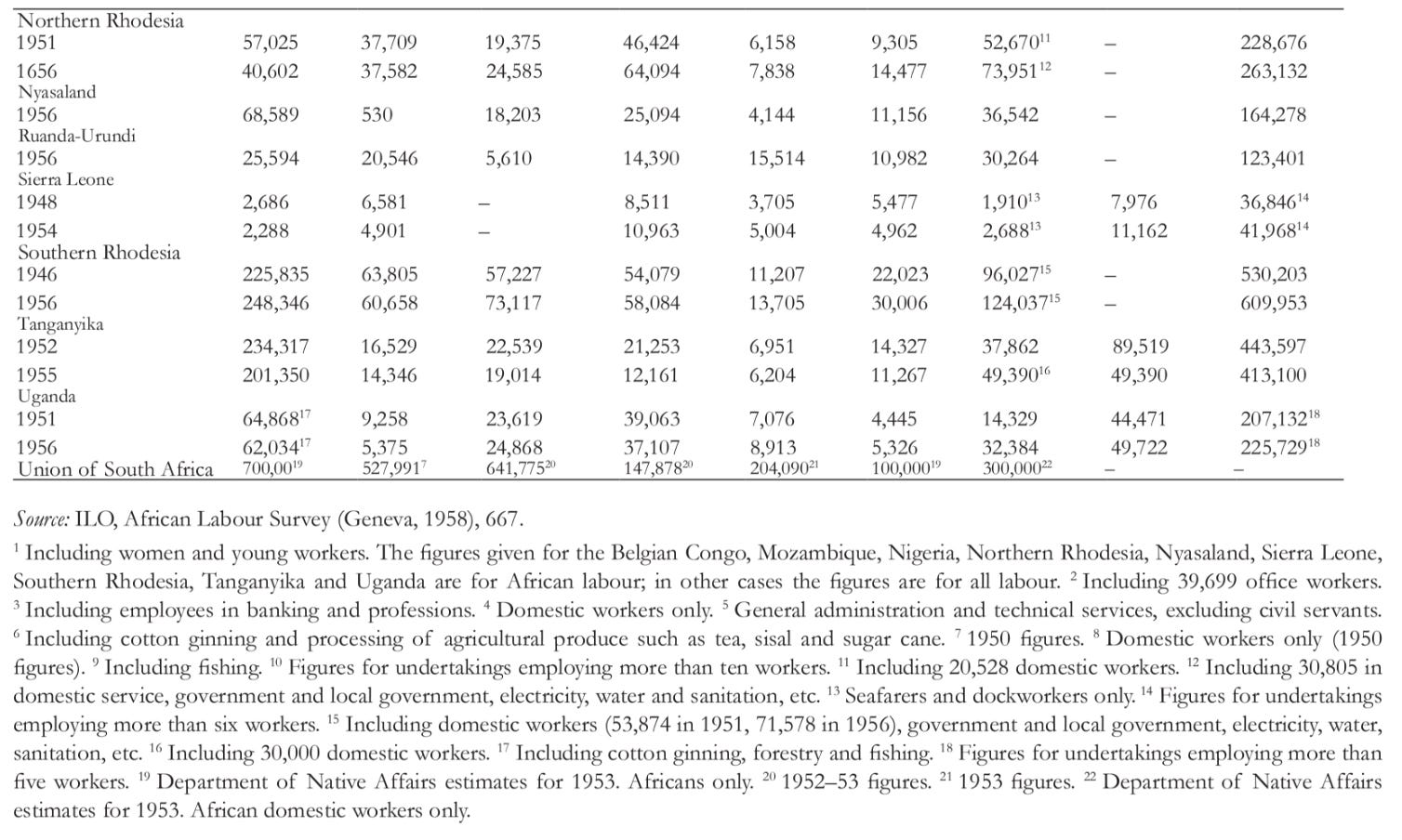
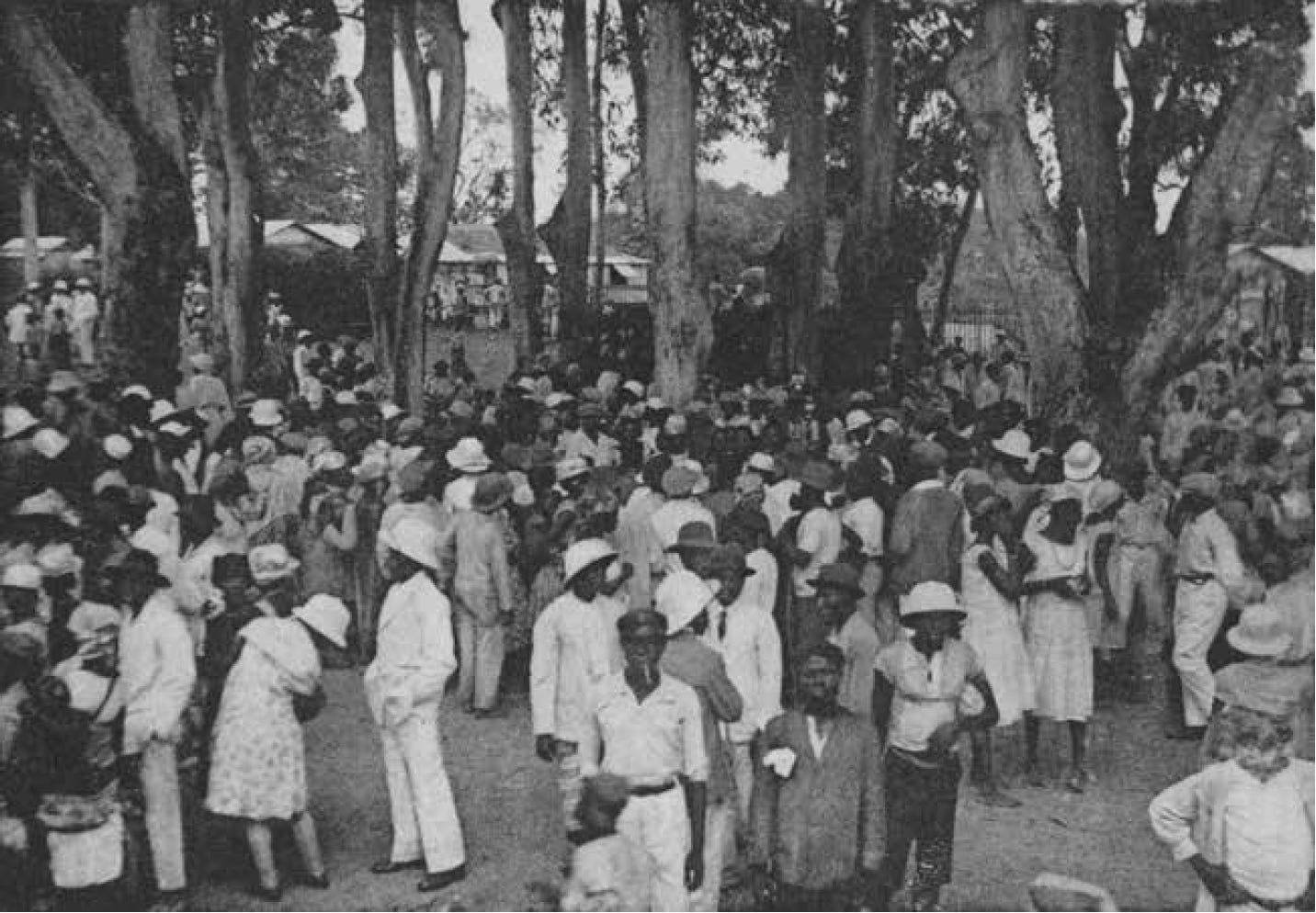
But women, girls and junior men nevertheless resisted - seeking greater autonomy, as well as relationships based on mutual attraction and even companionship. Former slaves, concubines and unhappy wives escaped to small but emerging opportunities for wage labour at seaports, plantations, timber concessions, mining centres, railway camps and urban markets. Flocking to towns, women brewed beer, traded food, formed informal unions, cooked food, cleaned clothes, and sold sex, and sought men who would treat them better. Growing export markets thus raised the importance of command over labour, while simultaneously threatening to weaken men’s rents.
This cultural fist-fight is revealing. Slavery waned as pacification curtailed raiding, wage labour provided exit options, and missions emboldened quests for personal freedoms. However, husbands’ claims over their wives’ labour proved more durable, because marriage and child-bearing remained both prestigious and constraining. Patriarchy - as a social technology of extraction - certainly outlived slavery.
My argument rests on three core claims. First, in pre-colonial Sub-Saharan Africa, men gained wealth and power by commanding women’s labour and bridewealth. Second, the colonial administrations relied on chiefs and thus protected many of these claims. Third, women, junior men, slaves, converts, and migrants nevertheless leveraged urban markets, native courts and Christian missions to secure their own advantage.
Pre-Colonial Wives as Workers
Paul Du Chaillu became famous in the 1860s as the first European outsider to confirm the existence of gorillas. Journeying through Gabon, staying in different villages, he also observed local gender relations:
“The women not only provide all the food, they are also the beasts of burden…
A man’s great ambition is to have a great many wives… It is, in fact, their duty to feed him... The man buys his wife of her father for a sum agreed on, often when she is but a child… Men marry at every opportunity... Obedience is the wife’s first duty, and it is enforced without mercy…
Such a whip as is figured below is an important instrument found in every house. It is made of the hide of the hippopotamus or manatee, and is a barbarous weapon, as hard and heavy as iron. This is laid on with no light hand, the worthy husband crying out, “ Rascal, do you think I paid my slaves for you for nothing ?” The wives are more harshly treated than the slaves-a stroke of the whip often leaves a life-long mark; and I saw very few women in all my travels who had not some such marks on their persons…
Our party from here consisted of twenty men, thirteen women, and two boys. I caused the women to be relieved of their loads, to their surprise, and that of their idle husbands, who could not understand why I should object to a woman doing all the drudgery”.

Raiding for Wives and Slaves
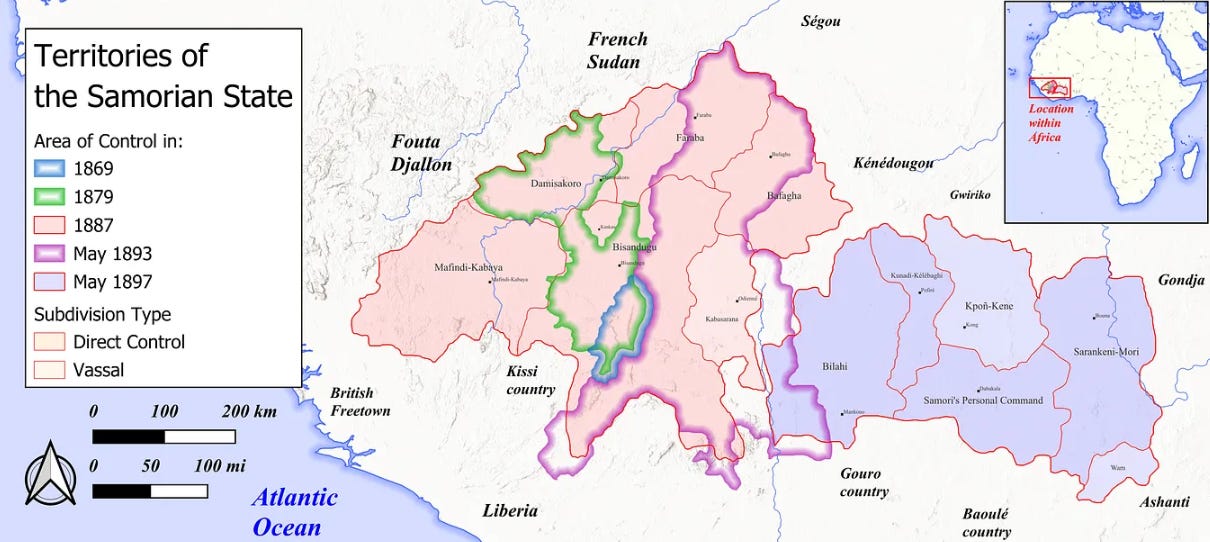
Young men also sought wives and their labour, but often struggled to afford the bridewealth. In this context, slave-raiding could be alluring. In what is now Guinea-Conakry, Layes Kunda recalled that Samori’s men returned with women captives and were asked,
“Where did you get these beautiful women? … The men said, “A new war has just started, if you go and capture some people, they are yours.” This is how Samori’s war became popular. They captured people then took them to Sierra Leone to exchange them for guns”.
19th century Sub-Saharan Africa was especially violent: girls were often taken as captives, later used as wives, concubines or gifts to maintain fraternal alliances. Beyond warfare, girls were also given as pawns or wives, expected to work as service labourers.
The Colonial-Patriarchal Alliance
Sub-Saharan African men accrued wealth in women - as slaves, pawns, or servile wives. They prospered through labour coercion. But this created a predicament for European authorities who had promised their publics they were on a ‘civilising mission’, yet that same project required partnering with African authorities who gained strength through labour coercion:
“The task of the emancipation of the individual,” wrote Governor General Brunet in 1920, “which our ideological concepts incline us to follow, risks profoundly troubling the native order and loosening a social system upon which our domination rests”.
African authorities were often so reliant on slavery that colonisers were nervous that bans would trigger revolt. The West African Frontier Force, comprising 12 British officers and 500 African rank and file, was originally mandated to stop the slave trade, yet with strict instructions not to enter any house or yard. But even this triggered unrest. Chiefs petitioned, voicing anger that women were being abducted and deserting their husbands. (It remains unclear whether women were leaving voluntarily or not). To quell backlash, police were prohibited from interfering with domestic slavery.
When officials feared unrest, they trod cautiously. In the Northern Territories of the Gold Coast (a protectorate and Muslim-majority), the commissioner-in-chief warned his troops not to cause ‘trouble’ by interfering with people’s slaves. Likewise in French Soudan, when senior men expressed resistance, Brevie (1937) urged local administrators to ignore violations of individual liberties.
If colonial authorities were nervous to intervene against slavery, they were even more hesitant to challenge patriarchal rents.
Bridewealth or Slave-Trading?
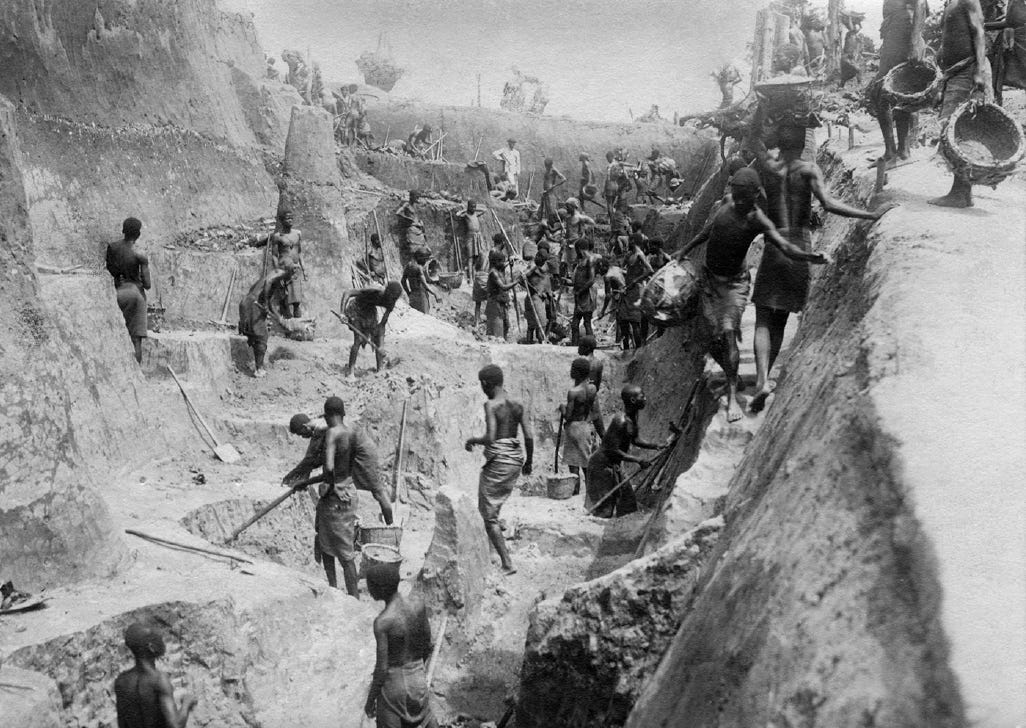
European officers were deeply divided over whether to intervene in local patriarchy. Some saw bridewealth payments for young girls as akin to slave-trading (which they had pledged to curtail), while others stayed quiet for fear of upsetting rural authorities. One administrator in Koutiala (French Soudan/Mali) described it bluntly,
“Under the pretext of marriage, the exchanges of young girls or women are practiced. In reality, these exchanges are nothing less than disguised purchases and sales. In her new milieu, this child is, in reality, considered to be a captive... She is [often] exchanged a second time, either for another woman or for a horse, cattle, or some cowries… Under the pretext of bridewealth exchange, this is nothing less than a brutal sale”.
He argued that such marriages should be considered ‘acts of trade’ in people, which was prohibited in 1905. But Dakar refused. An official from the governor general’s office warned,
“Do not meddle in native custom except with the utmost circumspection. The act of agreement among two families to exchange two women is the guarantee of reciprocity. Marriage, in both Muslim practice and native custom, has all the characteristics of a sale. Do not, however, treat this as an infraction of the slave trade ordinance”. As a compromise, he suggested that young women ‘give their consent’.
In Bamako’s provincial courts, adultery cases comprised a third of all misdemeanours. One local commander emphasised that this was not about sexual passion, but rather women’s desperate escape:
“The young girl is married, or more exactly, exchanged against bridewealth, by her father or brother who has paternal power over her… Once arranged, the bride is never consulted regarding her antipathies, the disproportion of ages, or the incompatibility of character. One only examines the amount of the bridewealth.
The social condition of the married woman is thus very close to that of servitude: the most arduous work is given to her, she is often beaten. It is not necessary to search for passion in adultery; instead, it is simply the actions of a servant seeking a less onerous master”.
Patriarchal Parallels in French & British Africa
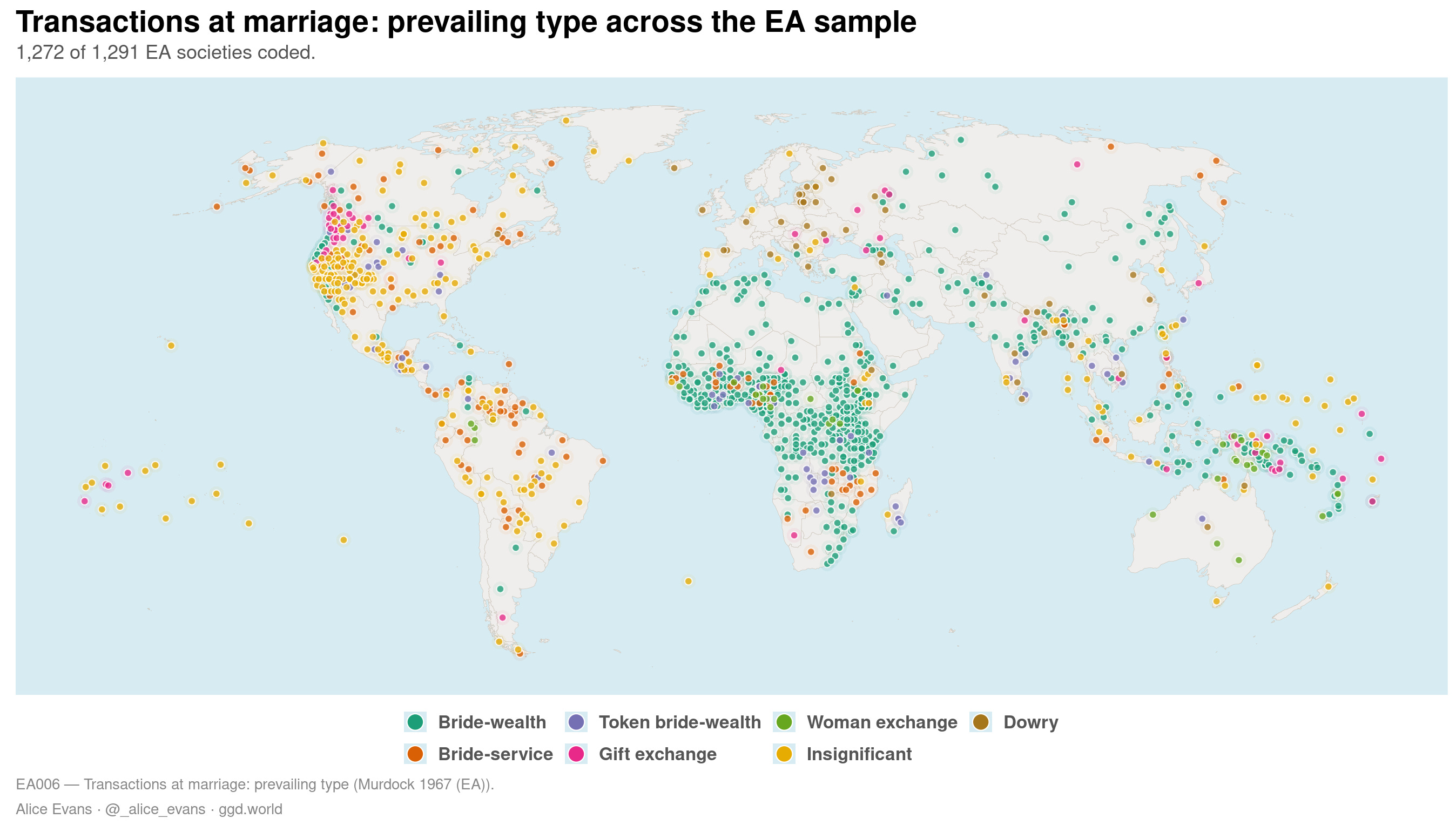
After the French colonised Gabon and Cameroon, they required, and even paid, chiefs to monitor girls’ age at marriage and the costs of bridewealth, hoping to encourage marriages based on the couple’s consent. But payments remained significant. As long as men profited from additional labour hands, they sought more wives and bridewealth from their daughters’ marriages.
In 1924, a Catholic missionary in Edea reported that “Polygamists have many resources – all his wives work for him and so he can more easily buy young girls”.
Chiefs in Southern Cameroon’s forests often had 10, 35, or even a thousand wives working on their cocoa farms. By cultivating more land, they could pay for yet more wives. To compete, men without resources might sell their own kin to raise cash.
In 1929, an African woman in Dschang was murdered by her father after she deserted her husband and returned home, because her father did not want to repay the bridewealth.
In 1935, a French administrator reported that a Balu man had inherited his dead brother’s widow and was “eager to sell her again to the highest bidder”.
Four years later, French attorney Robert Blin condemned African fathers for “speculative profiteering, slavery and prostitution”, recommending that such practices be punished with imprisonment and heavy fines.
Chiefs reportedly raided villages, stripped female captives naked, chained them at the neck and dragged them to construction zones.
In Southern Cameroon, chiefs expanded practices known as mvia and mgba -providing temporary sexual access to their own wives.
In Gabon, a Fang husband could give male guests and neighbours temporary sexual access to his wife in exchange for field labour or other compensation.
In Gabon, fathers and uncles forced their daughters into marriage or remarriage in the quest for maximum bridewealth. They rejected French accusations that this was equivalent to the sale of women.
Yet French authorities moved carefully. A 1935 report acknowledged that “encouraging moral and religious evolution risks the grave perturbation of native leaders.”
While many rightly emphasise Africa’s cultural and geographical diversity, as well as differences between French and British rule, similar conflicts over women and bridewealth occurred in East and Southern Africa.
A Gusii patriarch (in what is now Kenya) could cultivate as much land as he had labourers, aka wives. As Sarah LeVine remarks, “the more wives he married, the more land he could bring under cultivation, the more daughters whose marriages would bring in cattle as bridewealth, the more sons to herd and defend the cattle and keep the homestead safe from outside attack. The ideal was proliferation - of wives, children, herds and crops”. Much of the food was farmed and processed by women, who were still derided as inferior minors. Women themselves often saw men as superior and more powerful.
Most fathers wanted to marry daughters to richer, often older men who could pay substantial bridewealth. When young women eloped with younger men, fathers and brothers lost prospective cattle, so some appealed to Native Courts (African-staffed, British-backed), which usually stipulated bridewealth for legitimate marriage, thereby affirming men’s labour rents.
But women fought back, leveraging newfound rights. In 1959, Nyaabe told the court that her kin had gone “to see cattle near Nyaramba in order to marry me off by force”, so she ran away to the accused. Her brothers had accepted eleven cows, but that union later collapsed over bridewealth disputes. When she returned home, her brother “tied me up with rope and beat me so much”. To legitimise their claims, women emphasised their own ‘agency’: “I went by my own choice” (kwa hiari yangu) or “by my own desire” (kwa upendo wangu). This speaks to a new moral lexicon.
In court, Kemunto expressly resented being “auctioned like a goat”.
Female Runaways
In 1914 Southern Rhodesia, chiefs and elders complained to colonial authorities, “You do not help us in the only thing that is vital to our tribe and our family”. Officials likewise recorded, “The great complaint we hear from natives is in regard to the women who get on trains and run away”. Across Sub-Saharan Africa, rural patriarchs were alarmed by women escaping to towns, jeopardising their control of bridewealth and young men’s labour obligations.
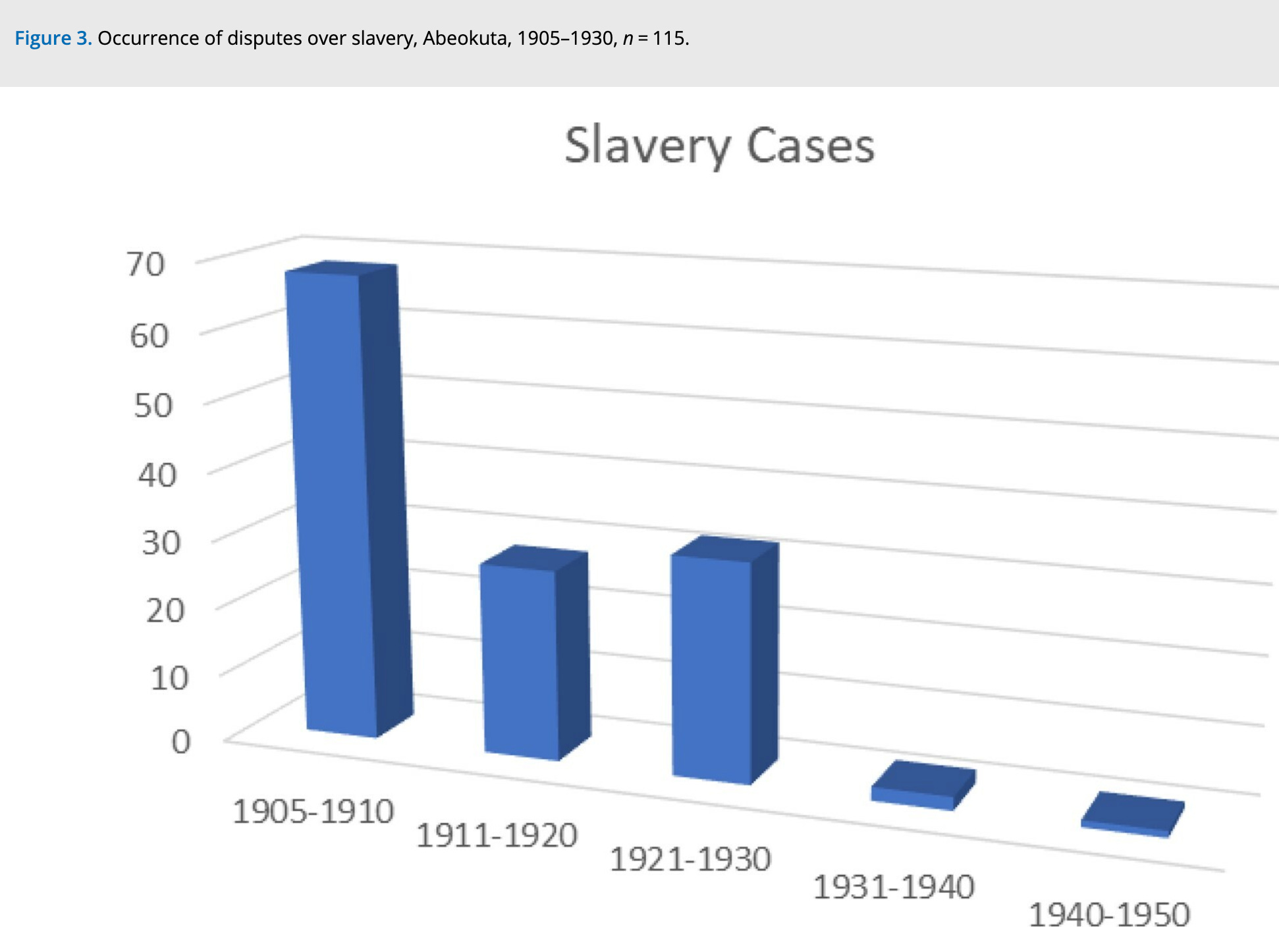
In early 1900s Abeokuta, some women fled to railway camps where they sought men on higher earnings. The Egba ruler requested the Railway Commissioners’ help in returning the women or restoring bridewealth.
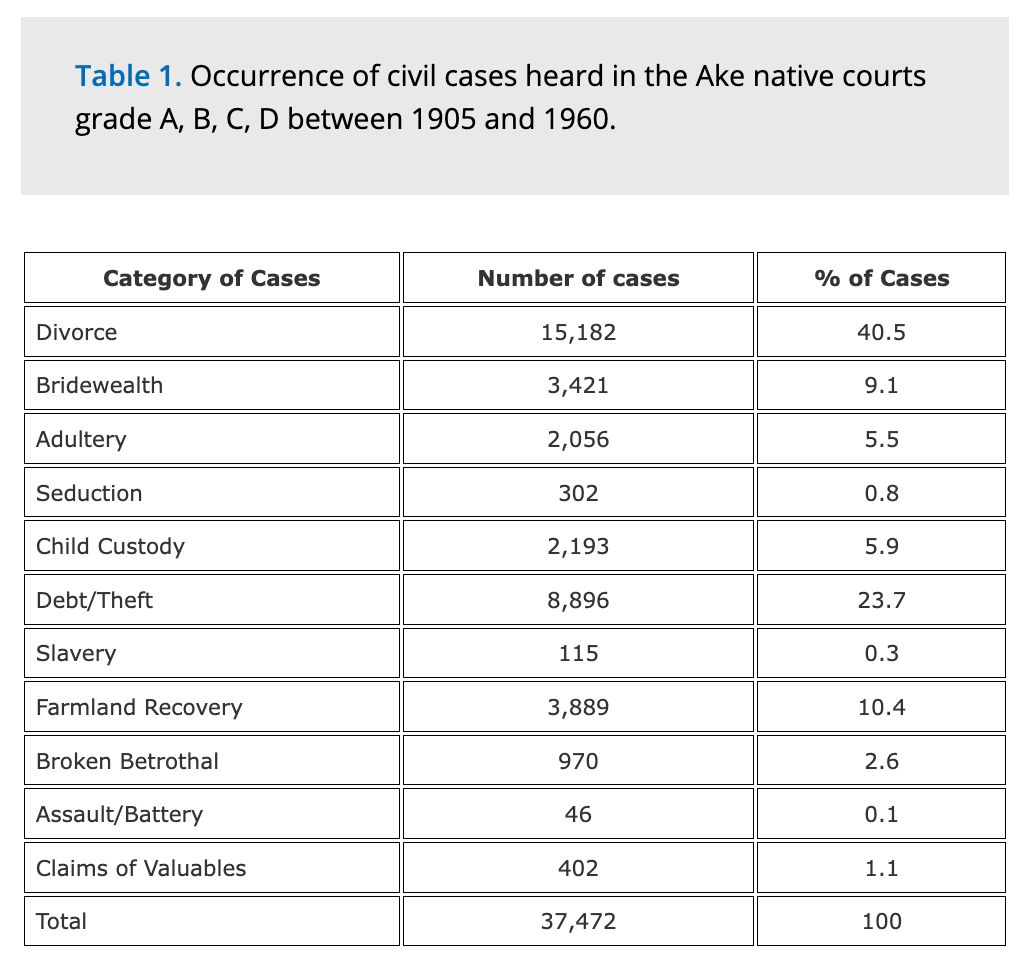
In court, women presented their cases strategically so as to secure their own autonomy. As part of colonisers’ compromise with native authorities, slaves were legally entitled to self-redemption upon payment, but wives were not. In Abeokuta records, therefore, women perennially insisted they were former slaves (not wives).
“Kehinde bought me as a slave when I was a child, after some years he made me his wife. I have two children living for him out of ten, others died during child labour. Kehinde hardly liked me or cared for me; I have to serve as a labourer to earn a living and feed my children. I offer to pay redemption fee; I want to be free” - Amuda from Ijemo, 1916. The court granted her freedom without payment of the redemptive fee, but gave him custody.
“He said I was his father’s slave and fought with me, he threatened to sell me. I and my children want to leave” - Oyelabi, 1915.
Slaves or Wives?
On the Gold Coast, women increasingly petitioned the courts, claiming to have been former slaves now seeking their freedoms. Adjuah Filamponomah insisted that her husband had exploited her so severely that it had all the characteristics of slavery.
“He pawned one of my children! and with the money he married a young woman. I work in the gold mines and bring in gold and give it to him but he gives me none of it.. and whenever I go in search of gold and am unsuccessful, he scolded me.. He gives me no food... He does not consult me as his wife on family matters... I looked upon him as my master and as he is free I considered I was free too”.
Colonial authorities perennially struggled to ascertain whether a woman was a slave or a wife, since both cases involved a man making a payment and thereafter asserting dominance. This created a real challenge, because they had promised to respect native customs regarding wives.
Men leveraged this same legal loophole. In 1920s Sierra Leone, British officers raised concerns that African men were redeeming their slaves only to rename them as ‘wives’, who laboured under similar circumstances.
“Young girls would be redeemed in large numbers for the purpose of cohabitation, as being a cheap form of marriage by which dowry is avoided”, Captain Stanley.
“The word wife is deployed as a blind, there being no marriage, as native custom requires. If a case so clearly proved as this one elaborate cannot secure a conviction, it is a step towards legalising slavery under this form of alias,” Lieutenant Cowrie.
Urban Passes & Female Flight
To placate rural elders’ concerns about female runaways, the governments of both Southern and Northern Rhodesia came to insist that women could only enter towns with passes. Also in Basutoland, it was an offence for a woman to leave without her father or husband’s permission. As a chief native commissioner wrote in 1933,
“We are endeavoring to assist the kraal natives to control their women”.
But enforcement was weak. Escaping across the lengthy border, Basoto headed into the Rand, where they brewed beer and supplied domestic and sexual services to single men. So too on the Copperbelt, women kept manoeuvring. Some maintained economic independence through beer-brewing, trading or prostitution; others hid savings with friends and relatives, built networks of reciprocal support, or avoided binding marriages in favour of informal liaisons with easy exit. Even when repatriated to rural areas, women covertly returned to town.
Testifying to their quest for autonomy, a rural official in Southern Rhodesia declared in 1924 that “native women are asserting their rights under our law to quite an extraordinary extent”.
African Christians & Romantic Love
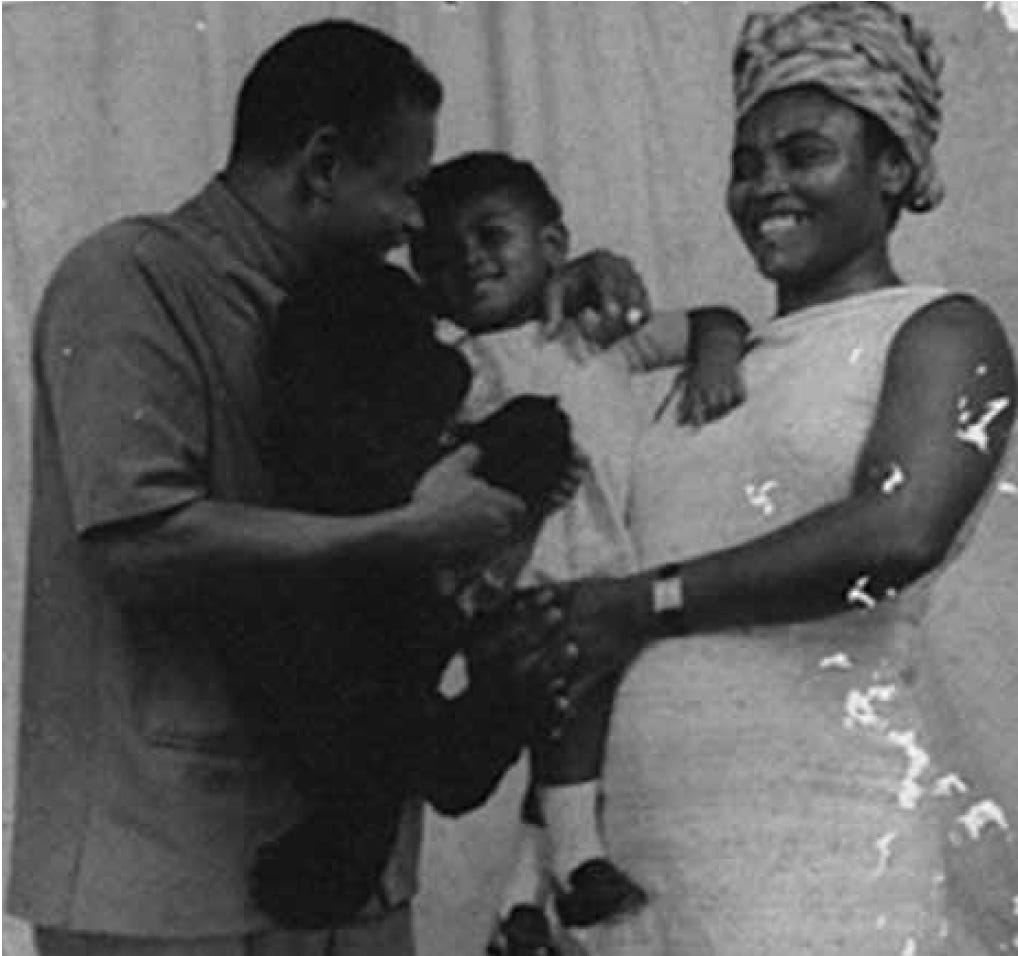
A more genuinely disruptive force came from young African Christian leaders and teachers, who preached a modern message of romantic love. These charismatic young men condemned older patriarchs as greedy and predatory, then positioned themselves as moral leaders.
Such discourses were immensely appealing to other young unmarried men, who struggled to afford bridewealth. African catechists condemned the chiefs for “wife hoarding” and “debasing their race”. Beti priest Leon Messi championed Christian love marriage as a romance between a free man and a free woman, based on individual desire and understanding. African Christians Joseph Zou and Hermann Mbono likewise built chapels, married rural couples, fought polygamy, preached consent and presented themselves as the moral vanguard of a new society founded on personal choice. In Gabon too, younger, mission-educated, literate men contested chiefs’ power.
Christian Domesticity & Mission Schools
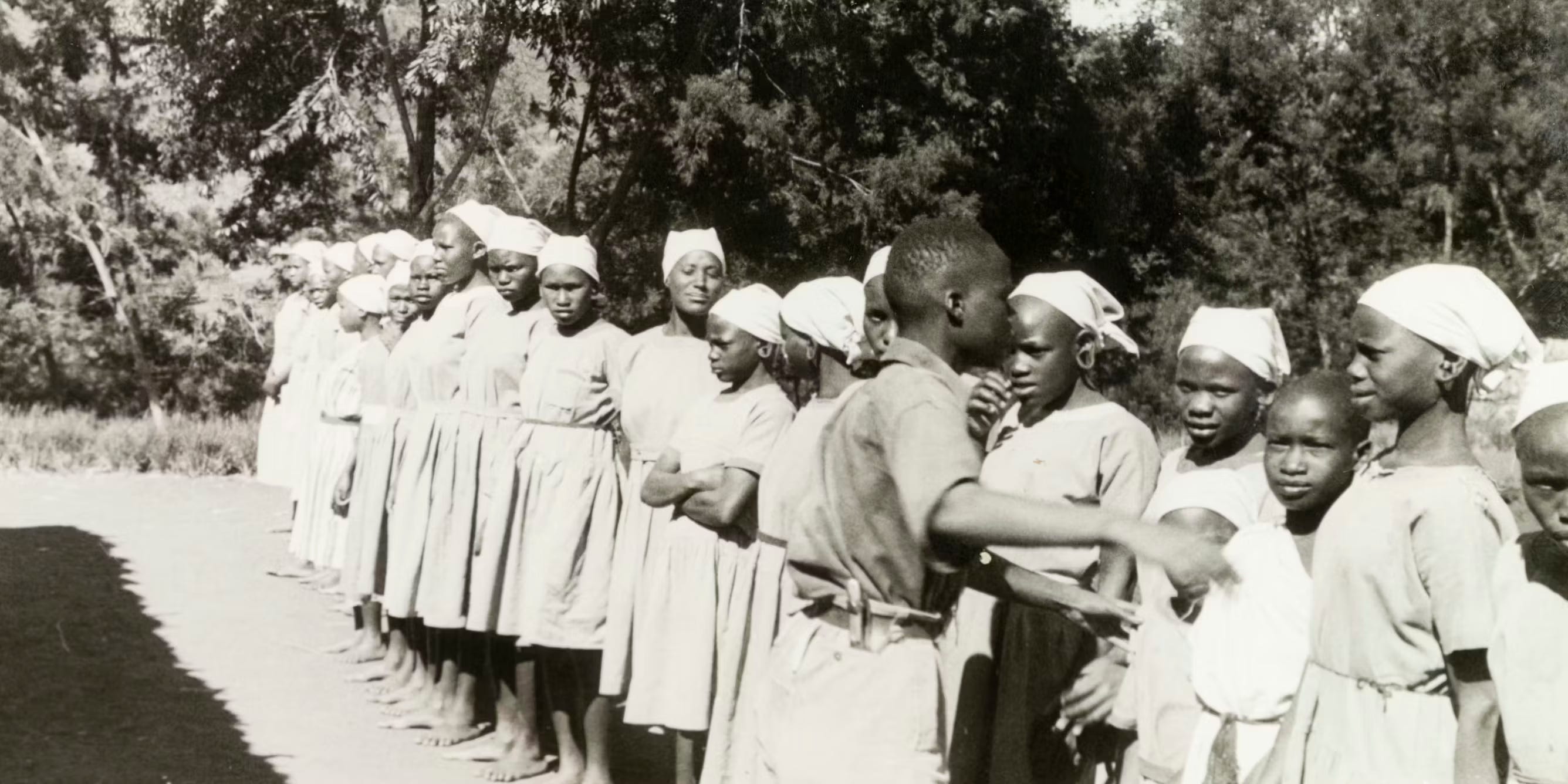
Many historians have argued that colonial governments and Christian missions promoted monogamous domesticity. Girls were often trained in sewing, cooking, hygiene, and childcare, while boys were more likely to be prepared for skilled work. Girls’ aspirations were thus circumscribed. Campaigns against indigenous religions and political institutions also displaced those those women who had gained authority as spirit mediums, queen mothers and oracles.
But to assess whether Christianity really reinforced patriarchy, we must consider the entire ideological package and relevant counter-factual. In many regions, communities had legitimised child marriage, pawnship, slave-raiding, wife-sales, assimilative slavery, polygyny and domestic drudgery. African Christians ostensibly rejected all but the last. They pushed for radical ideas of romantic love.
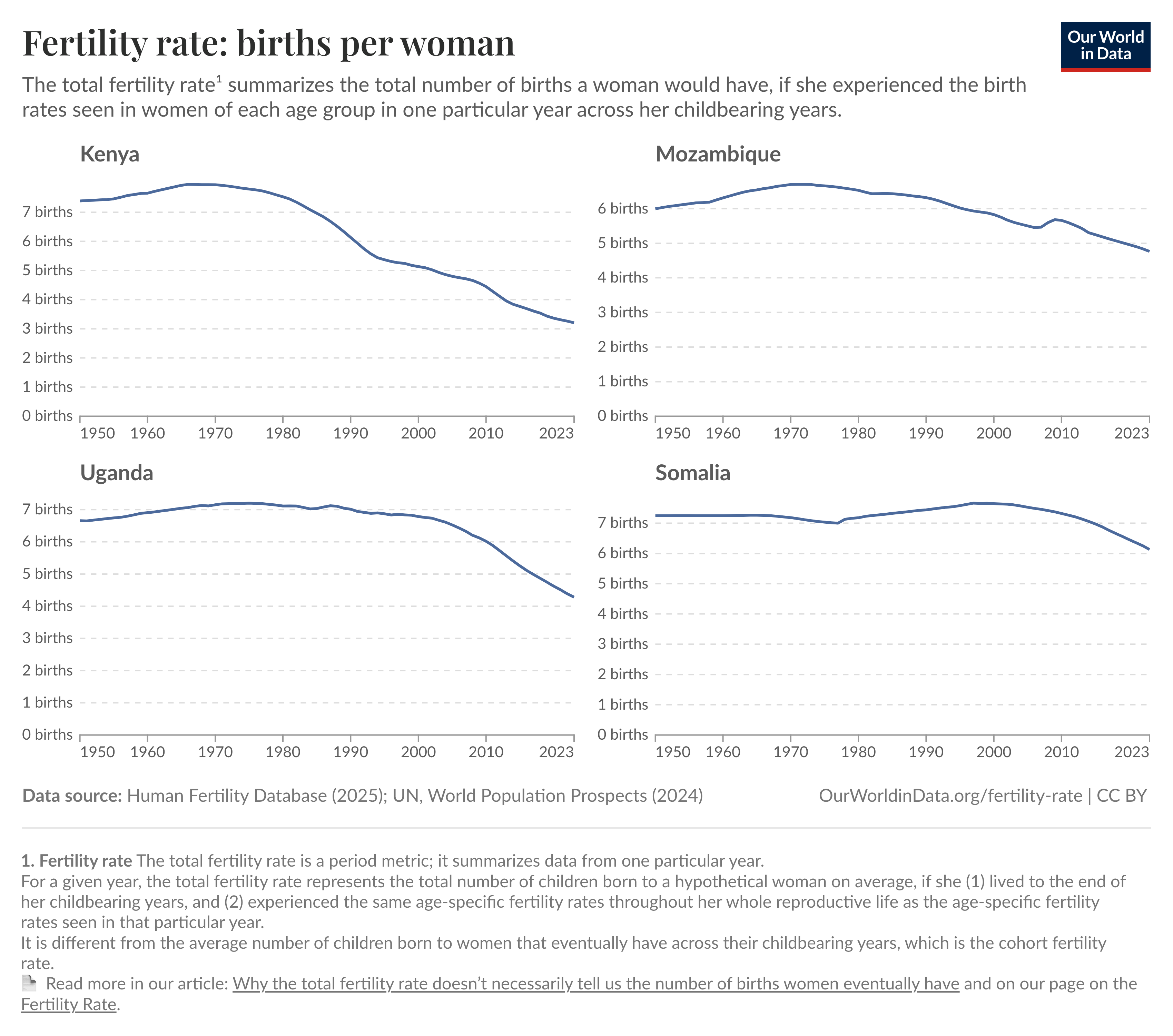
Mission schools certainly reaffirmed marriage and motherhood, but they do not deserve blame for the gargantuan burden of domestic labour. That was sustained by persistently high fertility, poverty, and a dearth of social infrastructure. In the mid-20th century, very few African homes had private taps or electricity. That meant long walks to fetch firewood and water, scrubbing clothes by hand, cooking for 6 or 7 children. Bearing many children, many women were reluctant to leave abusive marriages. Instead, they tended to ‘shipikisha’ (endure).
A further issue is that even when communities formally endorsed marital monogamy, men still championed the husband’s authority over the wife, but now sought to obtain without paying bridewealth. Even if women only had one husband, many still complained of abuse, abandonment, neglect and infidelity.
In some ways, monogamy merely led to a more egalitarian distribution of wives, permitting more men to marry and benefit from women’s labour, while wealthier men still formed multiple relationships on the side. In Gabon, wealthier men would simply enjoy ‘une copine’ (girlfriend) whom they gave gifts.
Christianity thus weakened some older patriarchal institutions - like slavery, child marriage, polygyny and bridewealth - while preserving others.
Polygyny
As with other European interventions, missionaries often struggled to secure local support. Patriarchs were often so adamant to maintain polygyny that they refused to send their children to mission schools, for fear of a corrupting influence.
Bastian Becker finds that mission schooling spread less successfully in communities that favoured polygyny. Mission presence raised primary completion by 8.2 percentage points in non-polygynous areas, but only 3.9 percentage points in polygynous areas. Literacy rose by 11.0 percentage points versus 6.4. Polygynous African men valued this institution so highly that they sacrificed schooling rather than limiting themselves to just one wife.
In Belgian Africa, Manono put it bluntly,
“As long as the Government does not improve the situation of native farmers by providing them with agricultural machines, I do not think polygamy can be suppressed in the customary areas”.
Colonisers protected Gender Rents
African rural patriarchs lobbied hard to maintain control over women’s labour and children because these were central to their own wealth and power. While colonial authorities expressed strong reservations about slavery, polygamy, child marriage and bridewealth, they nevertheless authorised restrictions on female mobility, paternal custody, and punishments for adultery. In this patriarchal alliance, gender rents were preserved.
When we study how European colonialism impacted gender relations across diverse world regions, we must remember that they struggled to rule alone, but instead struck bargains with local patriarchs. They sometimes condemned or prohibited the most violent customs - slavery, pawnship, sati, forced marriage - especially when pushed by humanitarians back home. But they generally permitted men to maintain gender rents, so as to keep them on side.
The specific protections varied by place. In much of Sub-Saharan Africa, men prospered through control of women’s labour and lobbied for these rents. In South Asia, men’s honour and business networks were more dependent on arranged marriages, chastity and purity, so sought to preserve these ‘kinship rents’. In both regions, colonisers allied with patriarchs, so that both could maximise extraction.
Colonisers neither imposed European patriarchy nor preserved timeless tradition. They forged alliances with male elites and supported the patriarchal claims those men valued most. In Sub-Saharan Africa, moral panic over female runaways exposed patriarchal priorities: labour rents.
Evans has done something rare here. She has taken a debate that had calcified into two opposed positions — colonialism imposed patriarchy versus colonialism disturbed an indigenous order — and shown that both formulations miss the actual mechanism. The argument that empire and African patriarchs struck a bargain over labour rents, with women, junior men and converts working the seams of that bargain from below, is the kind of synthesis that reframes a literature rather than adding to it. The archival range is impressive, the Becker data on polygyny and schooling is the right kind of empirical anchor, and the closing comparison to South Asian kinship rents opens a far larger conversation than the essay itself attempts.
One thread worth pulling, in the spirit of where she leaves the reader. If the operative category is rents — what specifically each patriarchal order extracted, and what each colonial administration agreed to protect in exchange for governance — then the framework has implications well beyond the colonial period. Every subsequent development project, structural adjustment program, microfinance scheme and women’s empowerment initiative across the same geography has had to negotiate with the residue of the bargain Evans describes. The rents did not disappear when the flags came down. They were re-priced.
The question her essay opens, and which deserves the long-form treatment she is uniquely positioned to give: when post-independence states inherited the colonial-patriarchal compromise, what happened to the rents? Which institutions absorbed them, which dissolved them, and which converted them into something the development economists of the 1990s mistook for tradition?
Very interesting work. It shocks me everytime I hear about the brutality my female ancestors went through, and the futility of their resistance. I hope you include research in your book on what women can do to prevent going back to the past. It's barely been 100 years of women's rights, yet the backlash is so strong. Even factual articles and posts of yours get angry antifeminist comments.