


“Ladies in England hold a very different position to what they do in India”, observed Janakummah Ragaviah (a wealthy woman from Madras). In India, she lamented, “they are held to be inferior [and] are treated by many as slaves to the will and bidding of the male sex”. She and Krishnabhabini Das, from Bengal, accompanied their husbands to England in the late 19th century and published detailed observations.
During 8 years in England, Krishnabhabini amassed a litany of complaints - condemning English individualism, greedy materialism, haughty pride, anti-social reserve, terrible weather, lack of decent fish, and women’s dearth of feminine grace. Horrified, she reports that the poor working-class got raucously drunk, collapsing in the street.
But here is the puzzle. In the 1880s, India and England were both patriarchal, hierarchical, and religious. Yet, one became far more gender equal. Can their first-hand observations provide clues?
Yes! Although Victorian England was extremely patriarchal, these accounts reveal that women already enjoyed freedoms that could be tugged and stretched: they moved independently through public spaces, chose their own husbands, and could even escape terrible marriages. Together, these accounts provide unusually revealing insights into The Great Gender Divergence, and thoroughly recommend them both:
“Pictures of England” by Janakummah Ragaviah, 1876. (translated)
“A Bengali Lady in England” by Krishnabhabini Das, 1885. (translated)
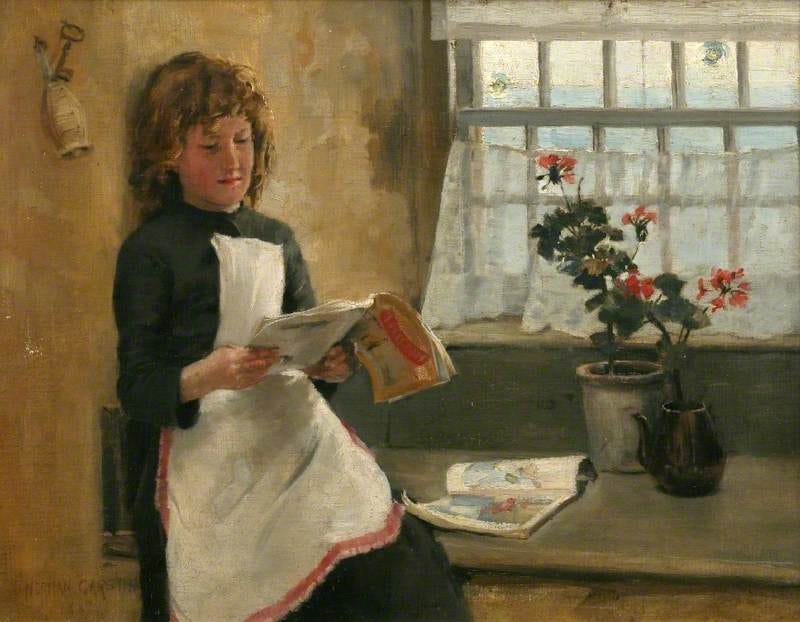
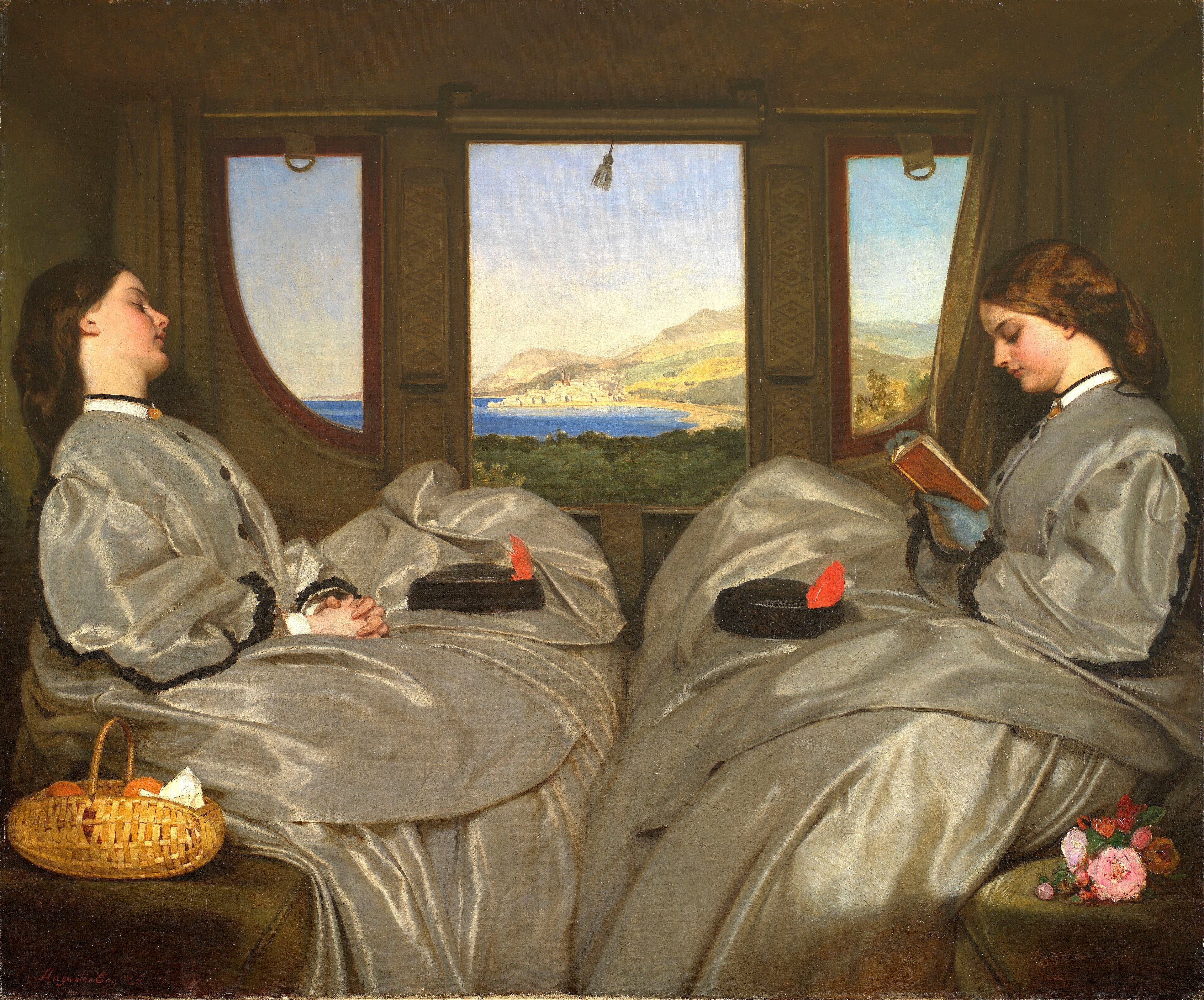
As handy visuals, I have added English paintings of the scenes they encountered. Enjoy!
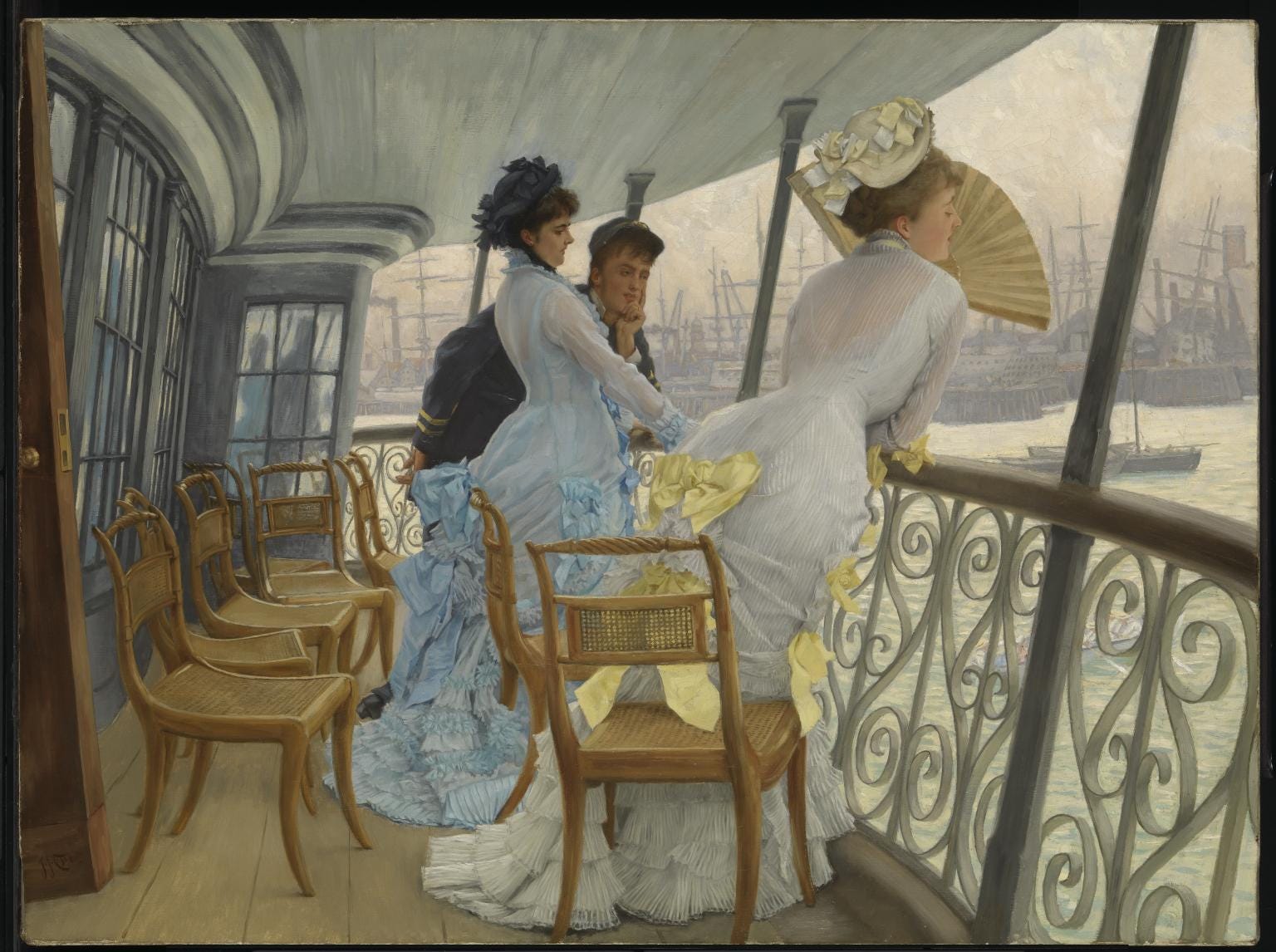
Female Seclusion in India
“My female readers! I was also cloistered in a house like you”, begins Krishnabhabini. Married at nine, she was home-schooled by her in-laws, then later accompanied her husband to England, where they lived for 8 years. Left behind, their daughter was married off at age 10.
In poetry, Krishnabhabini describes her Bengali sisters as “blind in cages” (Das 1885, 11, 167).
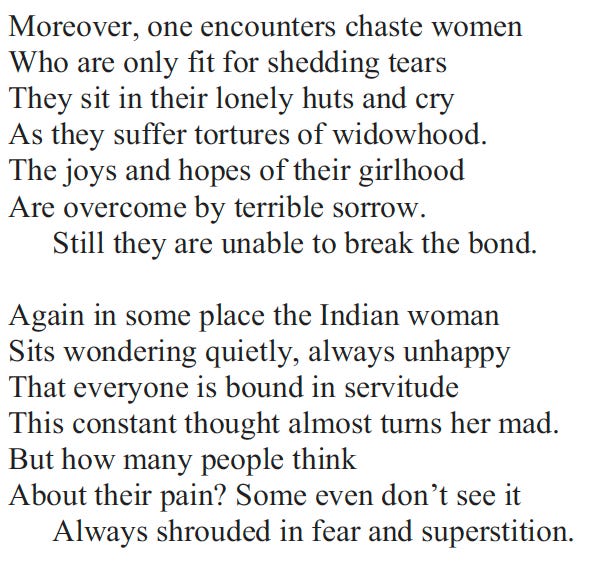
She further describes Bengali women as often cloistered, neglected and fearful - “scared of the babu” (Das 1885, 99).
Arriving in Bombay, Krishnabhabini notes that “Parsi women are not confined in cages like us. I have seen them always moving around in the streets, stations, and shops. They are very beautiful and they dress in very elegant clothes” (Das 1885, 8).
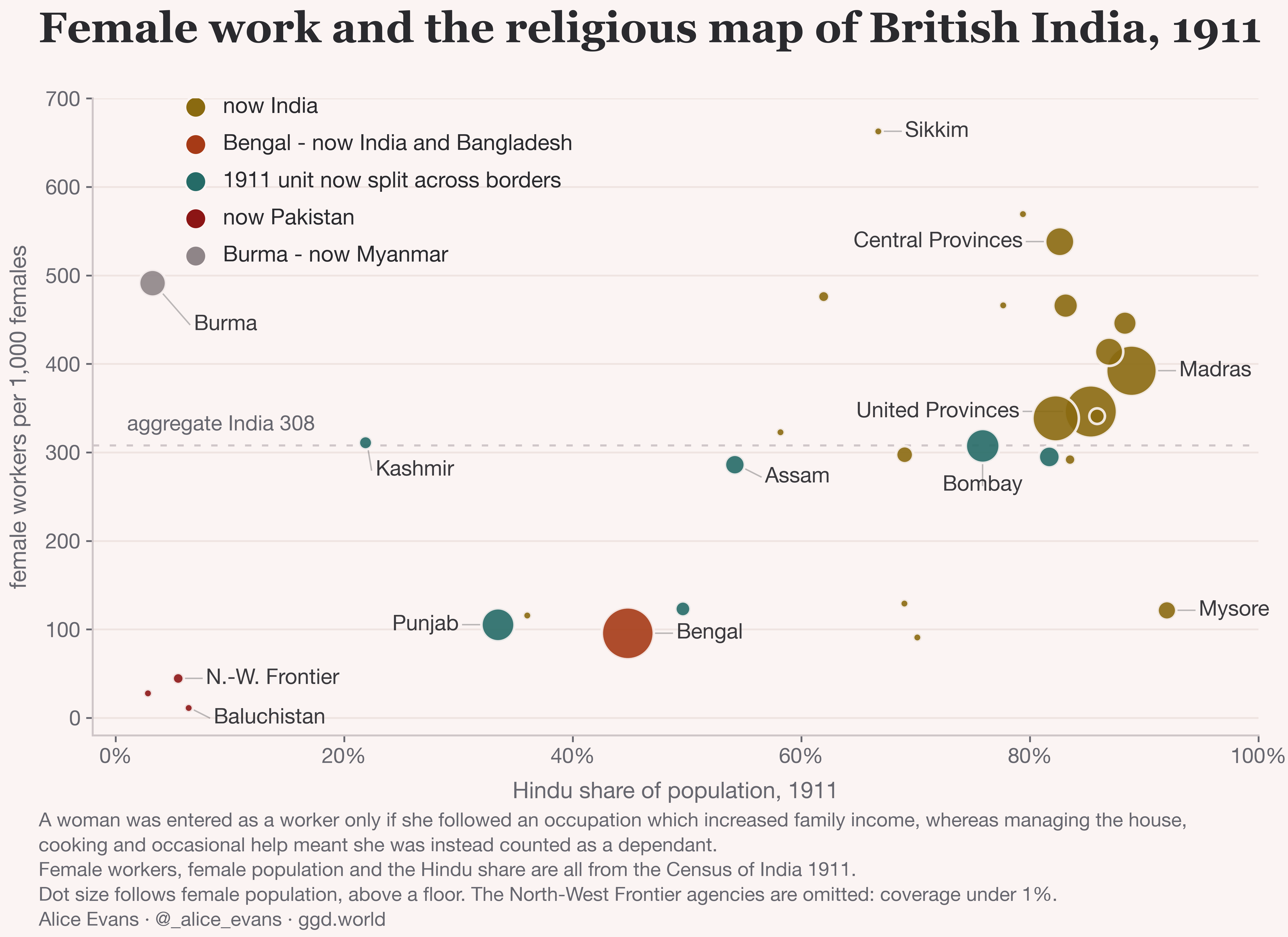
The 1911 Census of India provides a rough proxy for female work - that is, if she followed an occupation that added to family income, including regular unpaid assistance in a household enterprise. Visualising that data, you can see it was especially low in Bengal, but higher in Madras and Bombay.
Courtship and Romantic Love
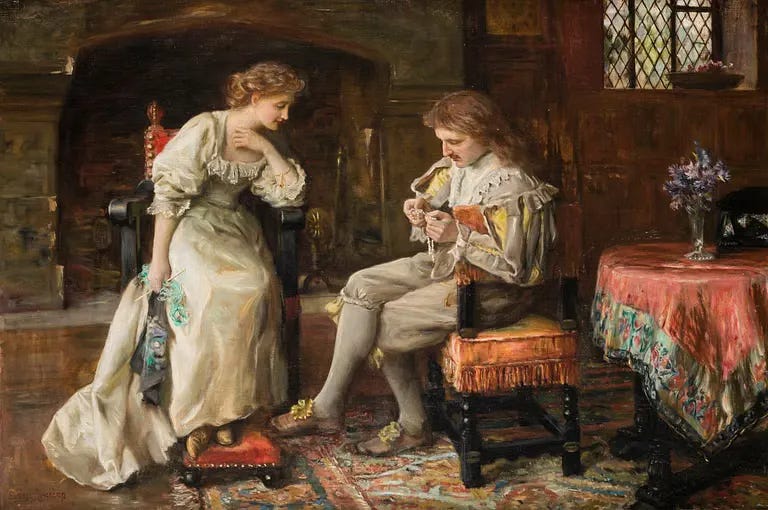
In England, Krishnabhabini was struck that marriage was not enforced by parents, but that young men and women pursued their own partners, quite independently:
“In England, no one, whether he is a man or a woman, gets married unless they want to. Even the parents in this country do not get their children married by force…
Young men and women find their own lovers..
They go out a lot in the streets, gardens, theatres… where lots of men assemble... They leave the company of elders and move about everywhere on their own” (Das 1885, 44, 80-81).
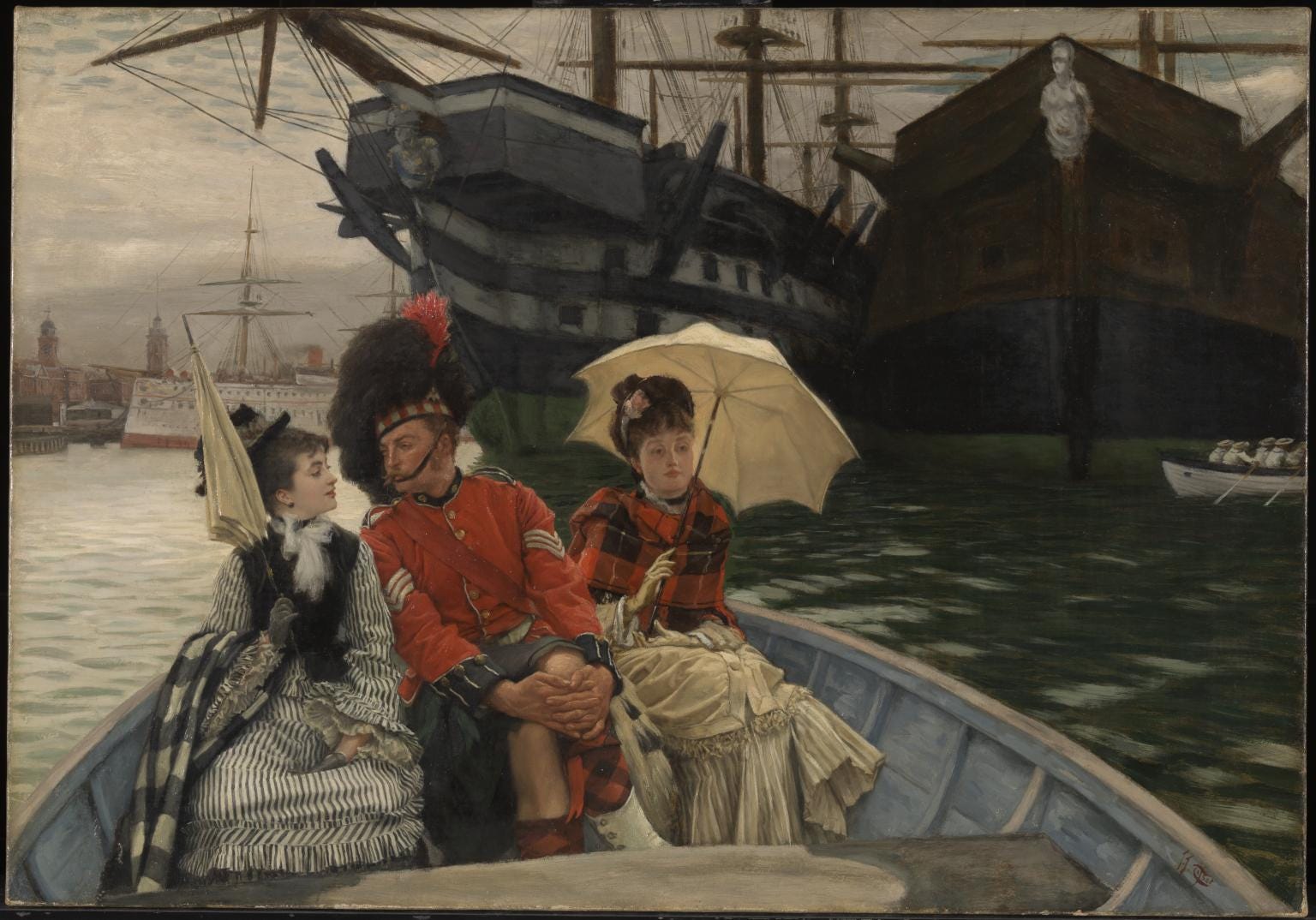
Courtship involves love letters, meetings, mutual attraction, and emotional connection:
“The man usually writes a letter or directly expresses his love... They interact as much as possible so that each one gets to know the other person’s mind.
If the young woman accepts the proposal, they decide to get married and do not wait for the consent of parents” (Das 1885, 44, 95-96).
Emotional Companionship in Marriage
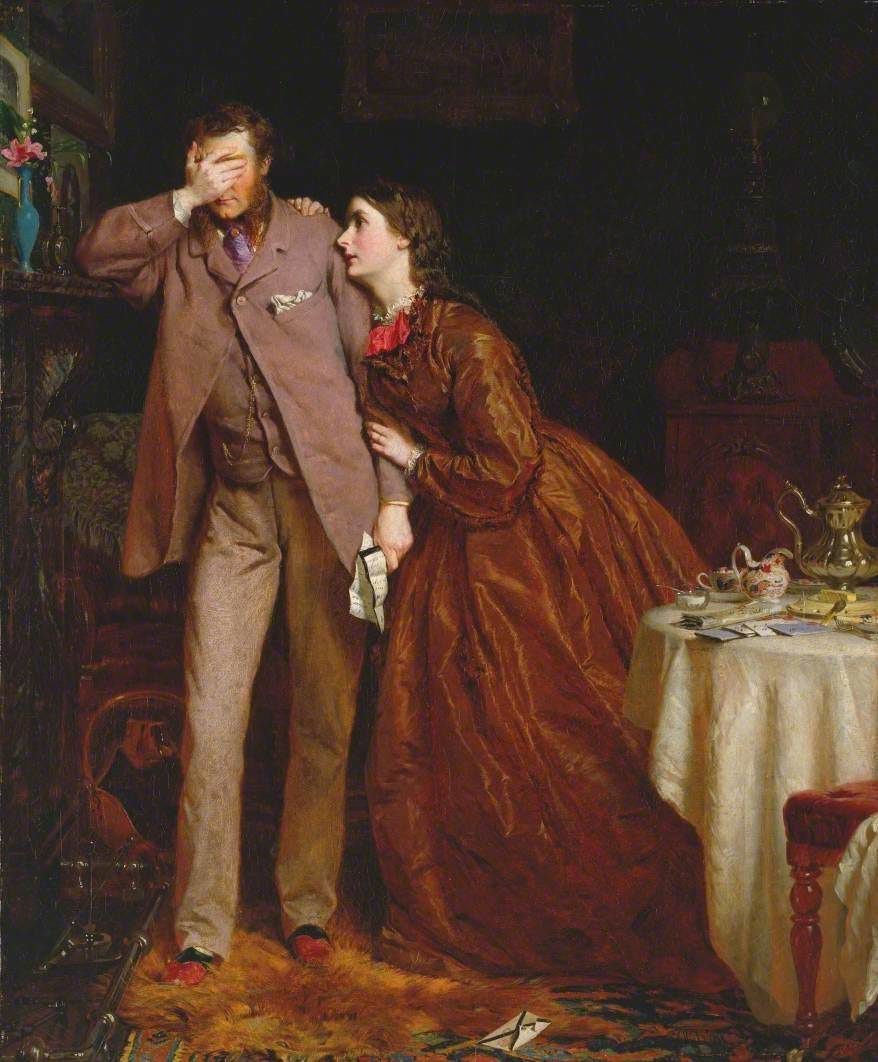
“Married life is totally different here from that in our country”, writes Krishnabhabini. She was struck that “[b]oth husband and wife stay together, eat, go out, study, pray, do family chores, and even discuss different things about the world together”.
“Both share happiness and pain in equal terms.. The intelligent and tactful husband seeks the advice of his wife. The intelligent wife does not think of the husband as her lord… The English wife is the right hand of her husband”…
“[He] tries to make his wife as happy as possible” (Das 1885, 98-99).
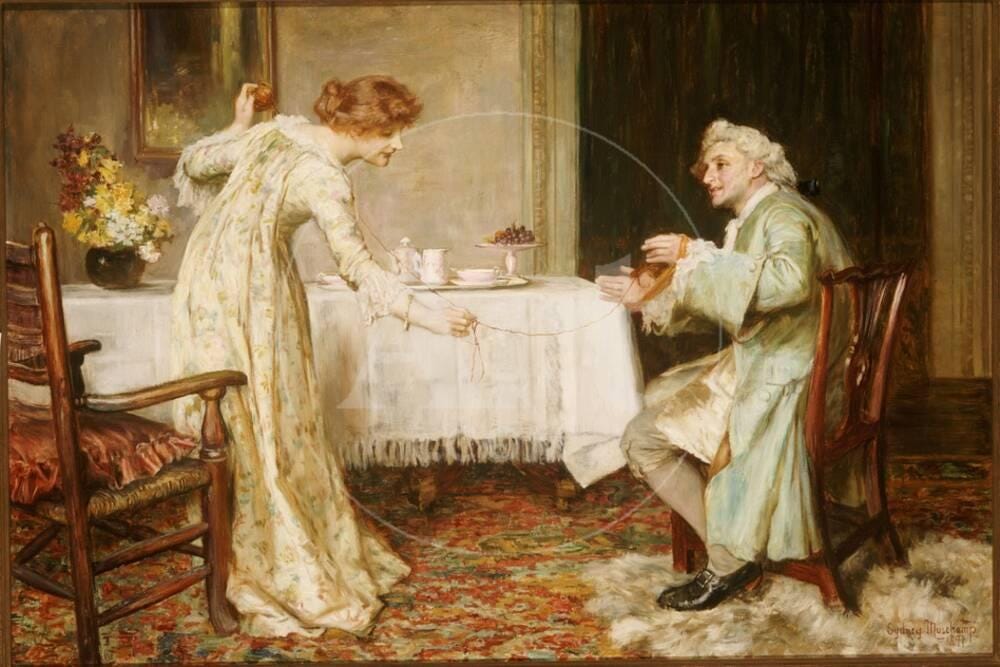
Writing to the Madras Athenaeum and Daily News, Janakummah likewise emphasised the English people’s romantic love:
“The mutual affection of husbands and wives is very great…. The men do not look down upon women, but regard them as their equals in all things, sharing with them all suitable pleasures” (Ragaviah 1876, 6).
Divorce
In 1857, England created a civil divorce court, making this more accessible. This was still difficult, especially for wives, who had to prove adultery together with cruelty, desertion or some other offence. Krishnabhabini was nevertheless struck by the possibility of exit:
“If the husband tortures his wife or commits adultery, the wife can easily go to court and get separated… Thus, the husband here cannot go on acting only according to his own wishes” (Das 1885, 99-100).
Whereas in India’s caste systems, jatis are cemented by endogamous marriage and divorce is widely discouraged. She observes,
“In our country, there is provision for husbands to desert their wives but we have never heard of wives filing divorce cases against their husbands.
The obedient and subservient Hindu wife goes on silently suffering all the torture inflicted upon her by her husband and even if he has hundreds of defects or commits adultery, she considers filing a case against him a very shameful and despicable act (Das 1885, 100).
Female education
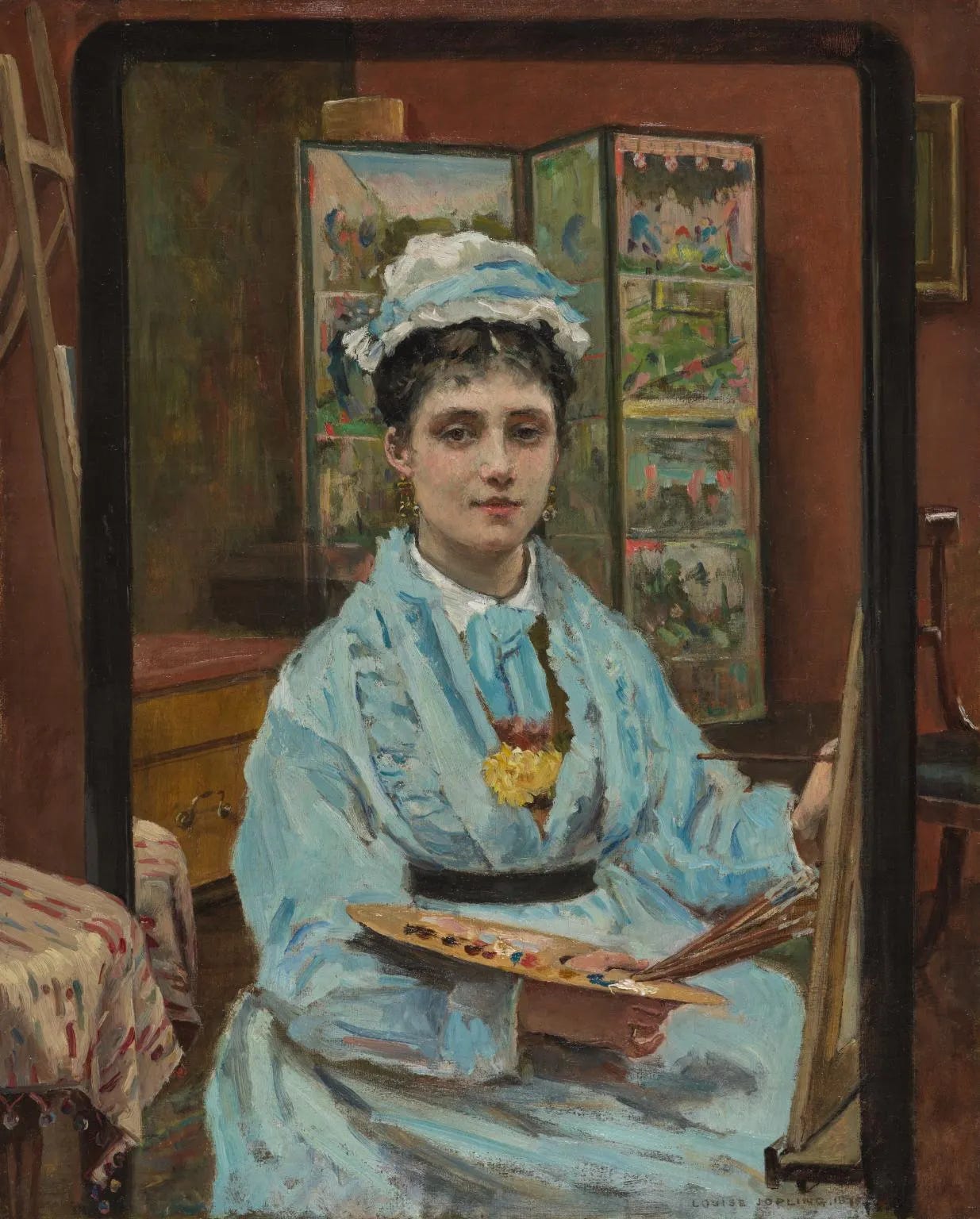
For centuries, European universities had trained only men, preserving their monopoly of the professions and esteem as knowledgeable authorities. But in 1878, the University of London (finally) admitted women to full degrees. Krishnabhabini was amazed!
“The doors of the University of London are open equally to men and women. They go to college together, study the same course under the same professor and both of them get the same degree after qualifying in the same examination.
This seems both strange and quite unique to us” (Das 1885, 127).
In 1880s India, female education could trigger ostracism:
“If someone sends his daughter to school till sixteen years of age then people become eager to ostracise him.. if someone lets his daughter remain unmarried till fourteen years, people go on searching for ways and means to alienate him or dissociate him” (Das 1885, 34).
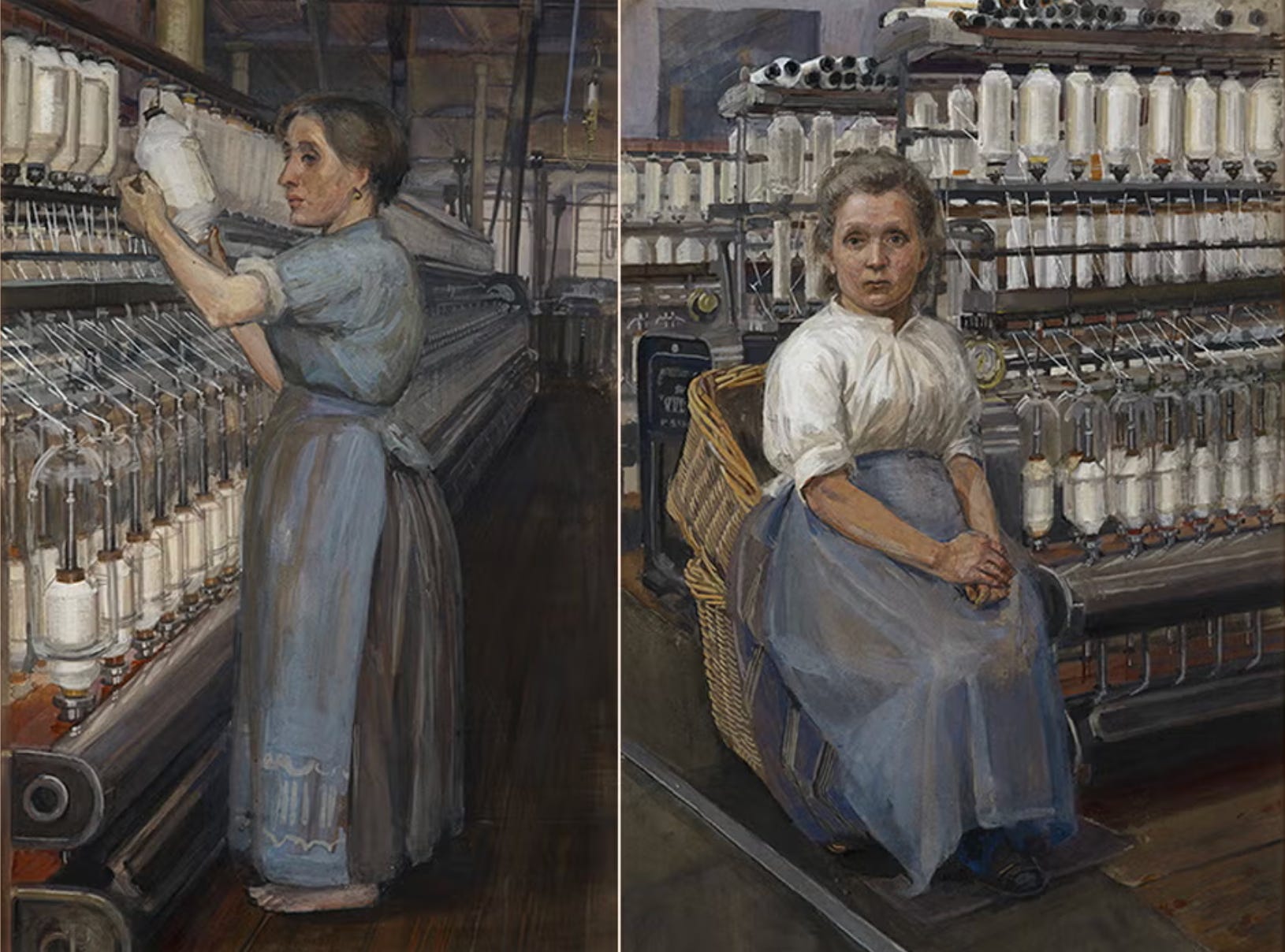
Working women
Upper caste Hindus maintained their jati networks by socialising girls to marry, please their in-laws and stay put. English women, by contrast, could achieve status and accolades by their own skills and independent contributions, such as in the case of Miss Florence Nightingale:
“It makes us happy to think that all these famous women, though unmarried and not directed by others, have helped the world just by their own will and self-confidence… The English woman does not consider her life to be useless if she is unmarried or is a widow. Instead, she tries her level best to do her duty as much as possible and help mankind” (Das 1885, 83).
Krishnabhabini suggests that by running shops, working as clerks, teachers, novelists, and journalists, English women were “leading the country to prosperity” (Das 1885, 75-76).
At Southampton, Janakummah was likewise struck that women issued tickets and conducted much of the station’s official business. At her hotel, almost all the servants were female (Ragaviah 1876, 44–45).
Relaxation and leisure
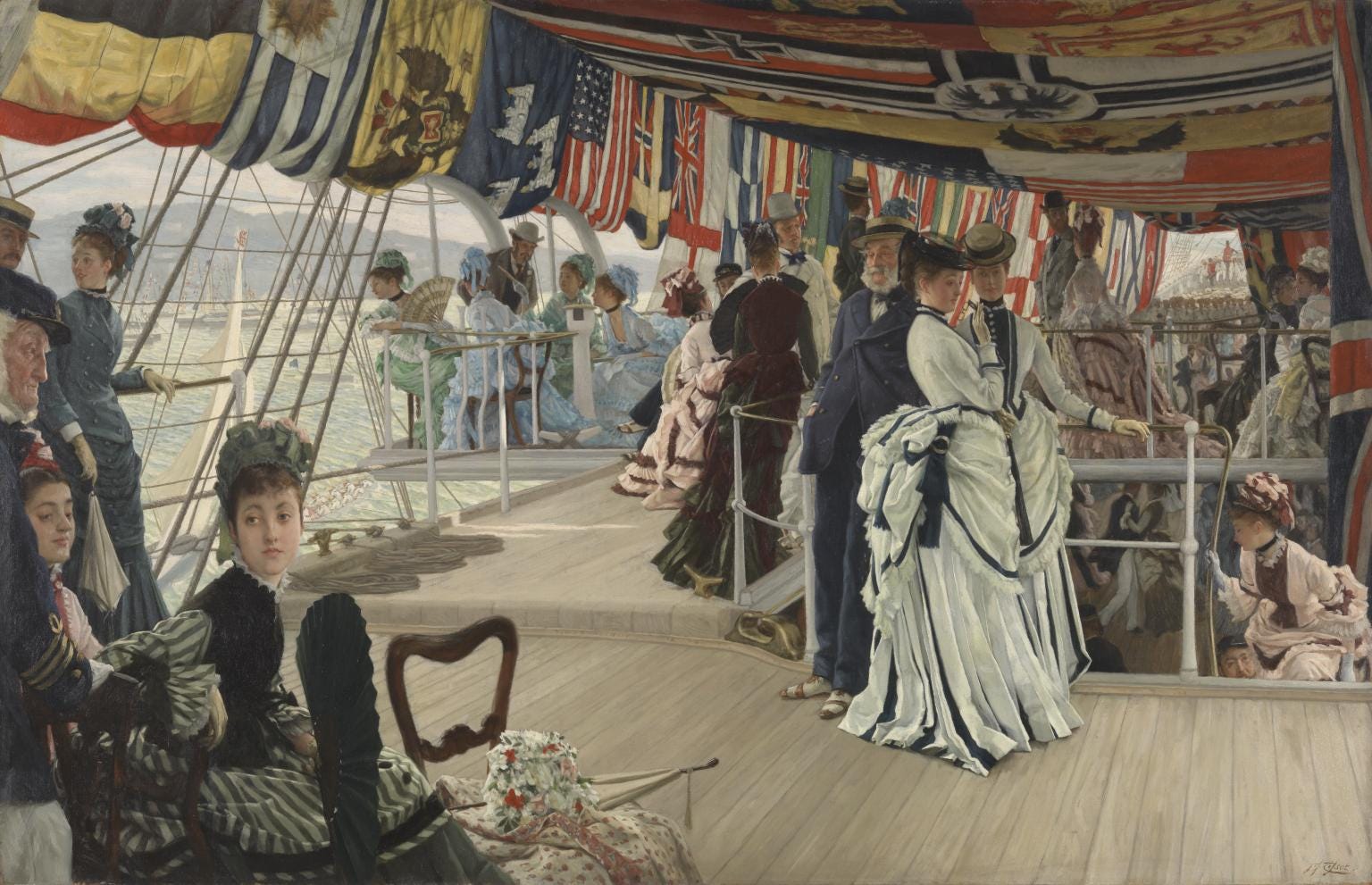
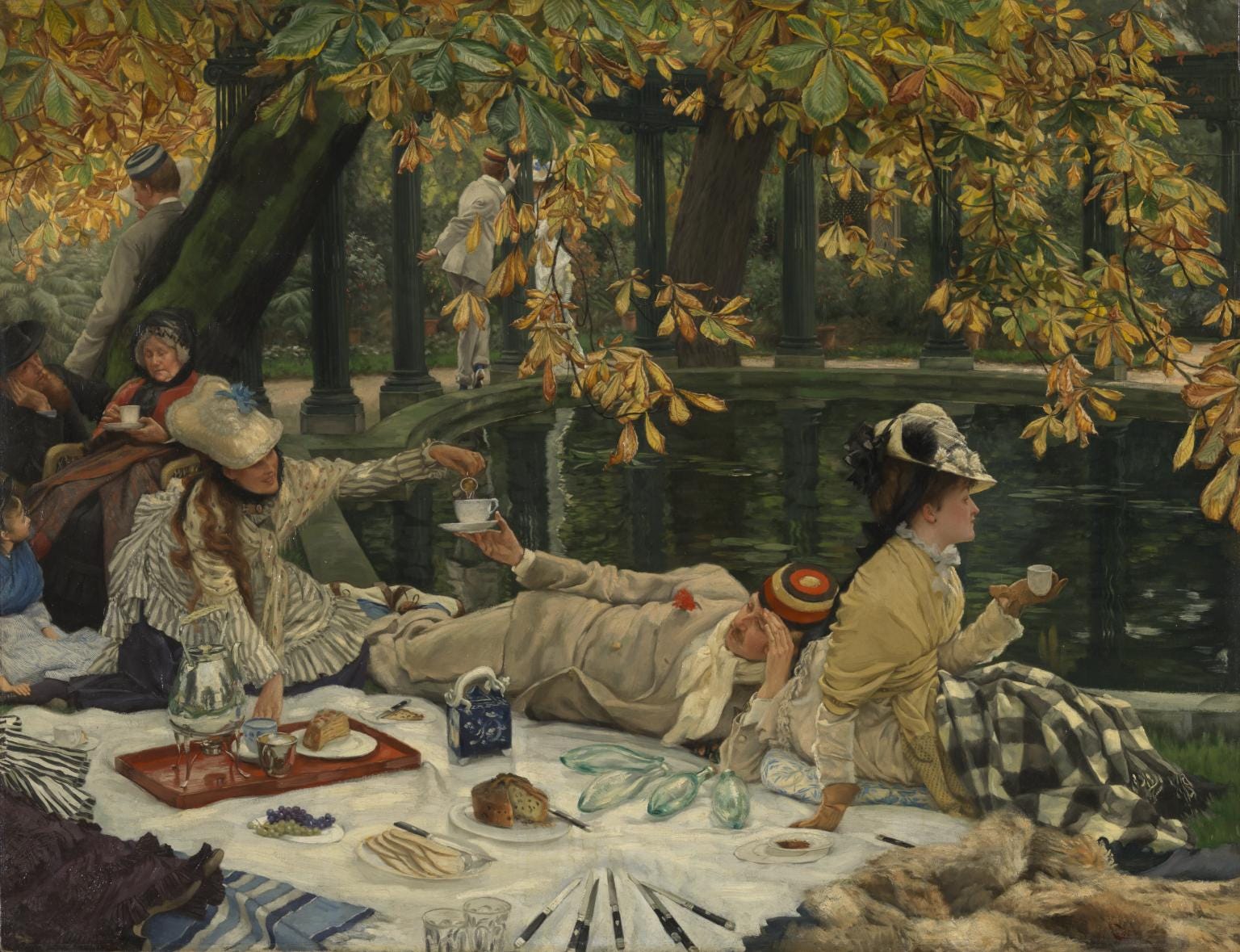
Venturing to Hyde Park, Krishnabhabini observed women rowing boats with men and exercising on horses:
“ I cannot explain how happy I feel when I see men and women moving around, rowing and riding horses freely together but I feel very sad at heart when I remember that I cannot see such sights back home in our country” (Das 1885, 68).
Such intermingling extended to people’s homes:
“The houses here do not have ‘outer’ and ‘inner’ divisions as they do in India; so the woman takes care of all sections and even entertains guests” (Das 1885, 75).
In London, Janakummah marveled at the brilliant gas lights and “the countless people of both sexes walking up and down”. Visiting Westminster Abbey, she very much enjoyed “the Psalms sung by both sexes, which was thrilling to the heart, and a chillness crept over my whole frame” (Ragaviah 1876, 45, 75).
Restraining Englishmen
Krishnabhabini found Englishmen to be most peculiar: “I had never seen such calm-natured men before” (Das 1885, 48). Bystanders, she observed, would intervene when a man mistreated a woman.
“If anyone misbehaves with a woman, they take her side and try to discipline the impolite man.
Men are stronger than women and if they do not know how to maintain the dignity of women, there cannot be anything like female independence. There are many strict laws in this country to prevent torture of women. If a man deliberately says bad things to a woman or behaves with her in a wrong way, he is severely punished” (Das 1885, 81).
Money & Ideals of Social Mobility
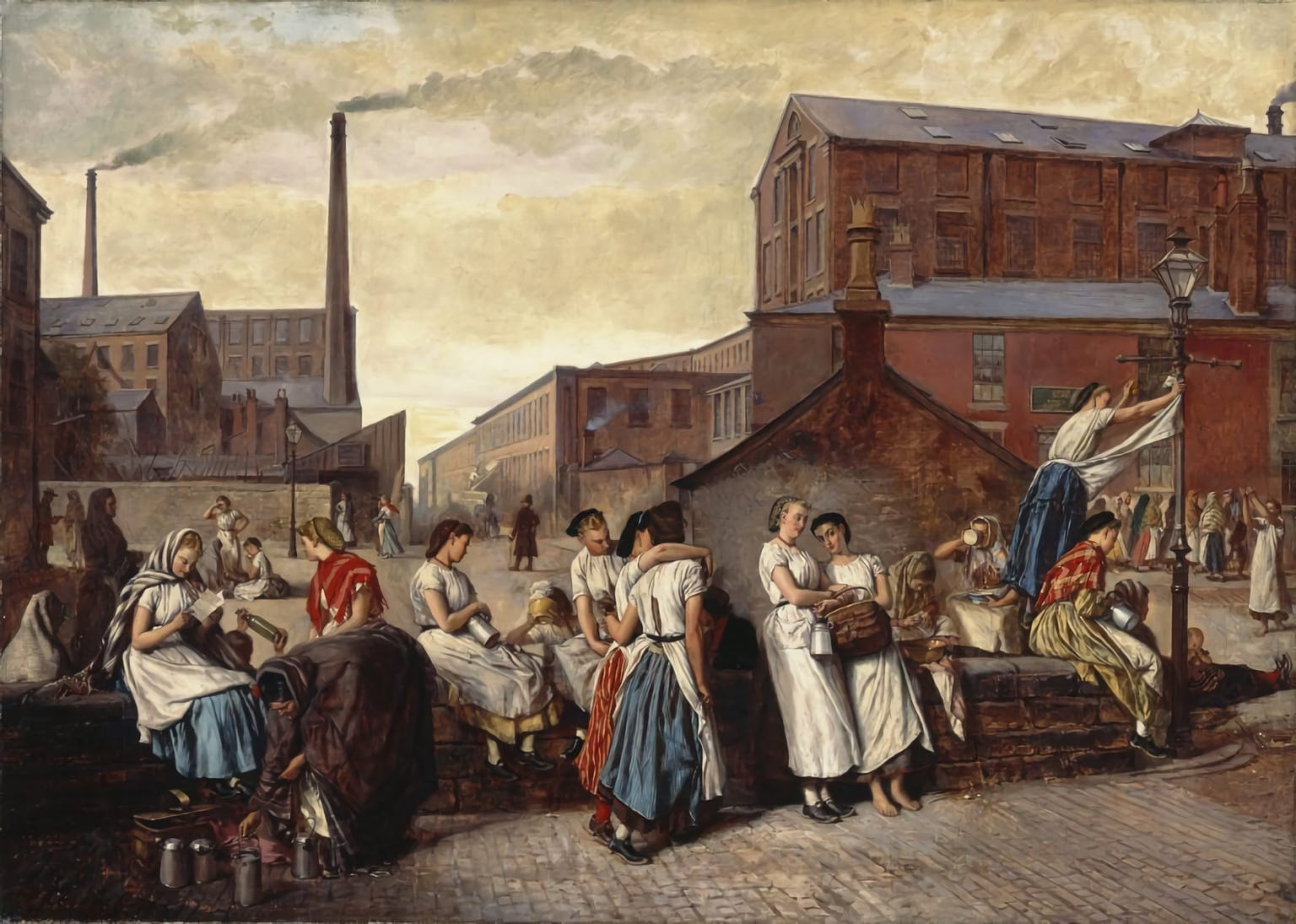
“I have read in many books that hundreds of English people who had been born in very low and poor families have become rich and famous just through their hard work”, reports Krishnabhabini. This may exaggerate actual mobility, but it reveals a national story of advancement through effort - which is at odds with a caste hierarchy.
She adds, “Money is the main worshipped god of the Englishman” (Das 1885, 48)
This is central to what I call “the honour-income trade-off”. Men may gain honour by guarding women’s chastity and modesty, but they also gain status through wealth. If income is a stronger source of prestige, they may be more supportive of wives and daughters going out to earn.
Encouraging Independent Thought
In comparison with Bengal, Krishnabhabini thought that English parents raised their sons and daughters as equals, encouraging free-mixing, exploration and open dialogue. By urging girls to converse men, without presuming them to be high status, Krishnabhabini suggests that the English encourage more independent reflection:
“Right from childhood, they always mix and speak with men in public, play and chat with them, and gain experience of many worldly affairs.
That is the reason why they don’t go mad and consider men heavenly gods...
They get educated and travel to different countries…. they always listen to them speaking about politics and discussing other serious issues with their friends. Thus they develop the power to think deeply and to decide what is right and what is wrong ” (Das 1885, 82, 101).
Apparently, children were not scared of parents but raised for independence (Das 1885, 100).
“By travelling in different countries, they get rid of superstitions, get to see and know new things and, in the process, increase their knowledge. The mind is enlarged and living among new people, feelings of the heart are expanded… Not only men but women also travel” (Das 1885, 127, 57).
This liberal tolerance is contrasted with India’s “superstition and illiteracy”. One of her relatives did not do the “Shashti-puja” ritual, and then no one went to their house for another ceremony. “Just imagine how, about two thousand people became angry and criticised him for this little deviation!” (Das 1885, 34.
The Great Gender Divergence
Armed with only these two books, I wager that one could have rightly predicted that England would make far greater progress towards gender equality over the subsequent century.
English society was industrialising, animated by ideals of material and scientific progress. Since women were not cloistered, they increasingly seized opportunities in education, work, arts, and social reform. They could also choose their own husbands, rejecting men who seemed rude, unkind or aggressive. Over the next century, activists would further mobilise for an expansion of these liberal freedoms.
Upper caste Hindus, by contrast, secured their jati networks by raising their daughters to marry within the community, stay put, please their in-laws and endure abuse. Since female seclusion was prestigious, women barely ventured out, unless for bare-bones survival. Returning home to Bengal, Krishnabhabini supported women’s education and published in several newspapers. After her husband’s death she retreated to become a dutiful widow and was praised in local newspapers. Over in Madras, Janakummah asked,
“When will my Indian sisters enjoy such a noble position in their household, as do our fair and beautiful sisters of the West?”.
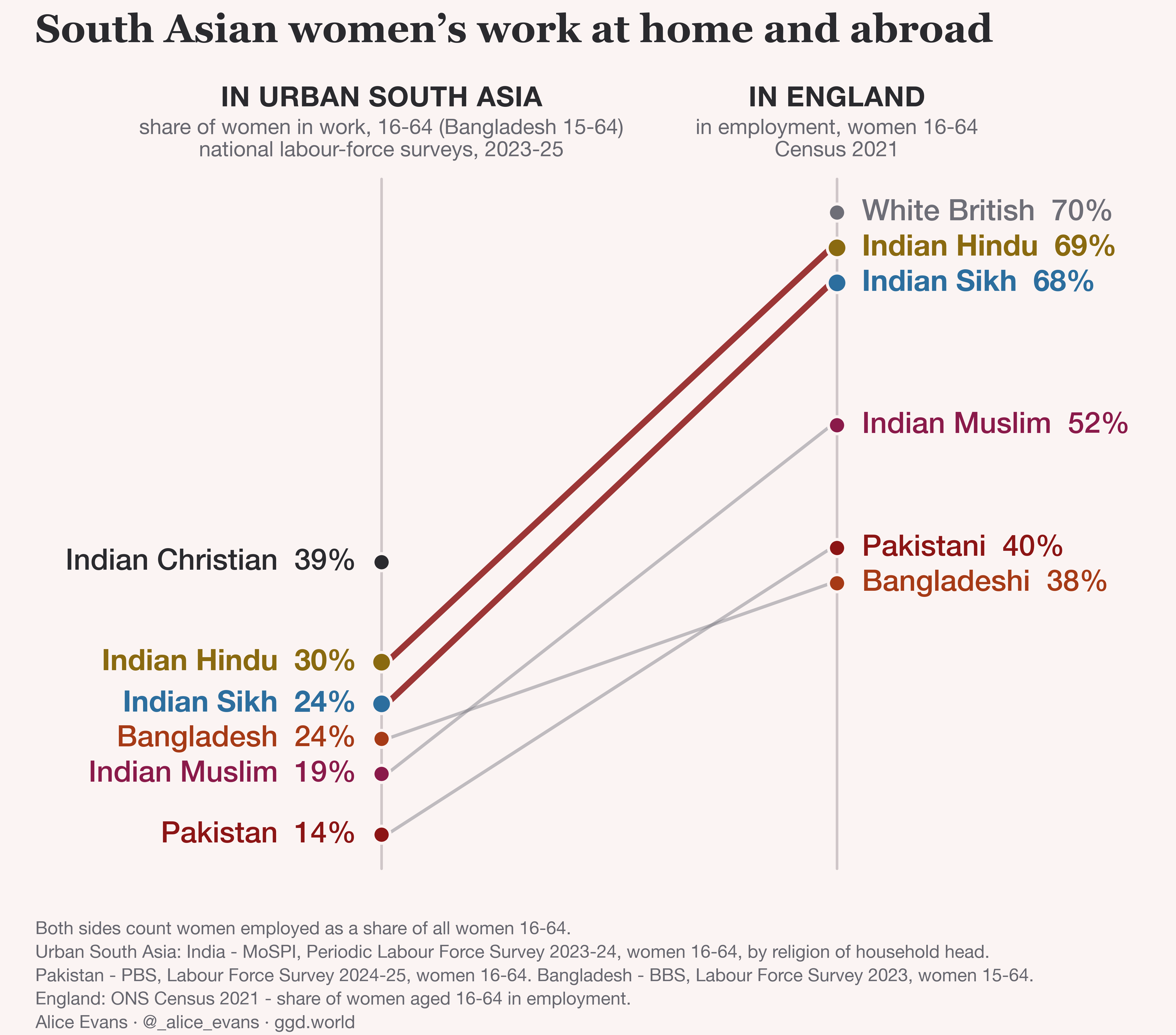
Her question remains prescient. Only 25% of urban Indian women work, while only 11% of Indian women who have been beaten by their husbands have sought help.
Both patterns are sustained by the caste system and will likely unravel when caste weakens. That could occur through rapid economic growth or migration overseas.
In my own qualitative research with the Indian diaspora across the US, Europe, Africa and Southeast Asia, I find that migration tends to weaken caste policing. Abroad, Indians can seize a plethora of economic opportunities and are thus far less dependent on their jatis, so threats of ostracism lose their teeth.
As parental supervision wanes, young men and women can mix and mingle, befriending others who do not chastise such fraternisation. Free from censure, they are far more able to explore and pursue romantic relationships as well as economic opportunities. And that’s precisely what we see in Britain today, Indian Hindu and Sikh female employment converges with natives!
Once caste punishment wanes, Hindu and Sikh families cheer their daughters’ economic success.
Methodological Notes for My Graphs
Historical estimates are drawn from the 1911 Census of India, which reports female workers per 1,000 women (Tables I and XV) and the religious composition of each geographic unit (Table VI). The census recorded a woman as a “worker” if she followed an occupation that added to family income, including regular unpaid assistance in a household enterprise. Women who primarily managed the house, or gave only occasional help, were recorded as “dependants”. These historical estimates aggregate across all ages, and do not provide a rural-urban split.
Crucially, the 1911 census did not cross-tabulate sex and religion jointly, so no female work rate by religion exists for that year. I therefore examine the relationship between aggregate female employment and the religious composition of each area. The North-West Frontier agencies are excluded because their occupation tables cover under 1 per cent of the enumerated population.
Present-day estimates are taken from India’s Periodic Labour Force Survey (July 2023 - June 2024), Pakistan’s 2024-25 Labour Force Survey microdata, Bangladesh’s published 2023 labour force report, and custom tabulations of ethnicity by religion from the 2021 Census for England. Rates are restricted to women aged 16-64 in India, Pakistan, and Bangladesh. I use urban labour force participation since this is where women mix with unrelated men, so low figures will reflect strong ideals of seclusion. The England figures are reported for ages 15-64.
Historical regions are matched to present-day states directly rather than by area weighting. Five regions - undivided Bengal, Kashmir, Assam including Sylhet, and Bombay including Sind - span the present international borders of India, Pakistan, and Bangladesh.
Really interesting article, really brings the Victorians to life.
It made me reflect how, in fiction, the dominant modern story is always to emphasize the LACK of autonomy for women in our past, and how they were prevented from having adventures or choice. It’s a true story (and still probably the most vital story for many women in our world) but it also makes it hard to see the past accurately. Your article brings it home how the culture we have today in England and western countries grew slowly - and was already giving women important freedoms and status in the 19th century. The changes have deep roots.
India isn’t a monolith - the cultures within India are so varied, and women’s lives would have been equally varied. The source itself mentions Parsi women as enjoying greater freedom.
Child marriage, female seclusion, lack of ability to divorce, no literacy etc wasn’t common among all social groups within the Indian subcontinent. South Indian women usually enjoyed greater amounts of freedom compared to North India.