


Over the 16th to 19th centuries, merchants across the world grew rich from global trade. Did this enable merchants to organize collectively and impose constraints on the executive or did they use newfound wealth to gain status alongside existing elites? How do the effects of trade vary by culture?
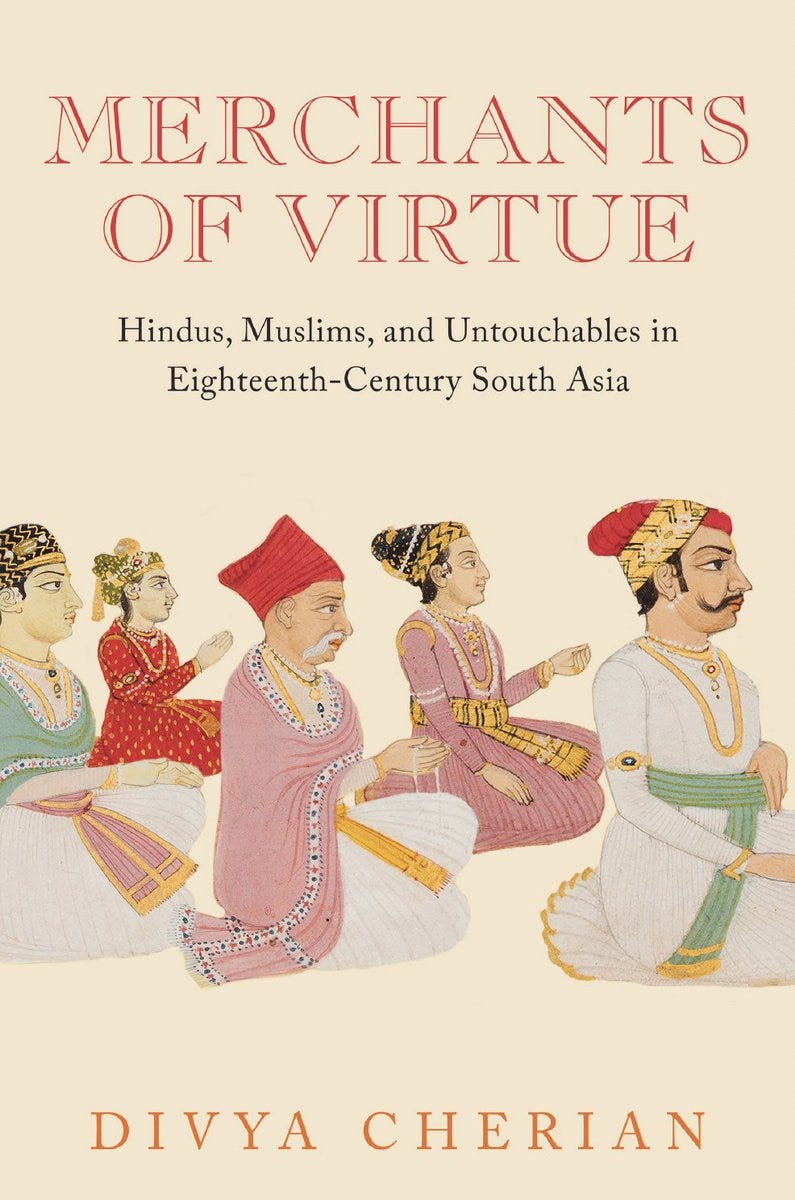
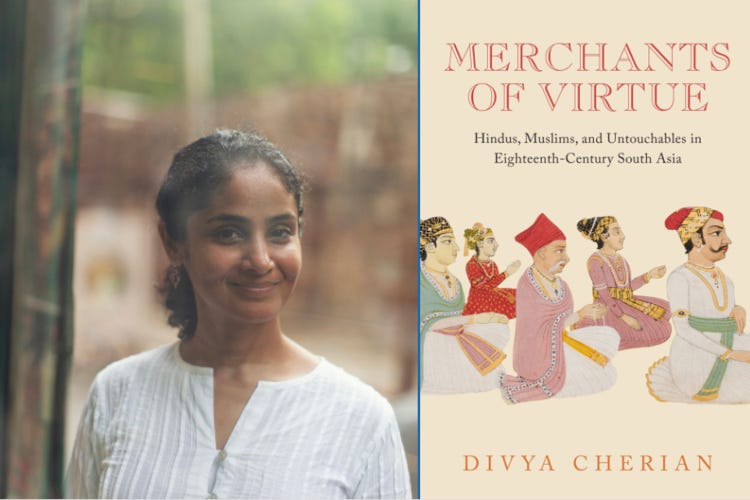
To answer this question, I strongly recommend Divya Cherian’s Merchants of Virtue. Drawing on the Jodhpur Sanad Parwāna Bahīs (administrative records from the Rathor state in pre-colonial Marwar), she argues that an aspirational mercantile elite petitioned the state to enforce bans on eating meat, abortion, gambling, drinking, and female infidelity so as to differentiate themselves from lower castes. Such reputations may have strengthened their creditworthiness and paid financially.
Thus while some debate whether caste hierarchy is deeply rooted, colonial invention or imposed by Brahmins, we see that modernity itself (i.e. literacy, trade, state development, and petitioning) enabled merchants to secure state-backed exclusion of lower castes. Modernization is therefore not like a current pushing all societies towards the same liberal democratic values; it really depends on which ideologies gain power!
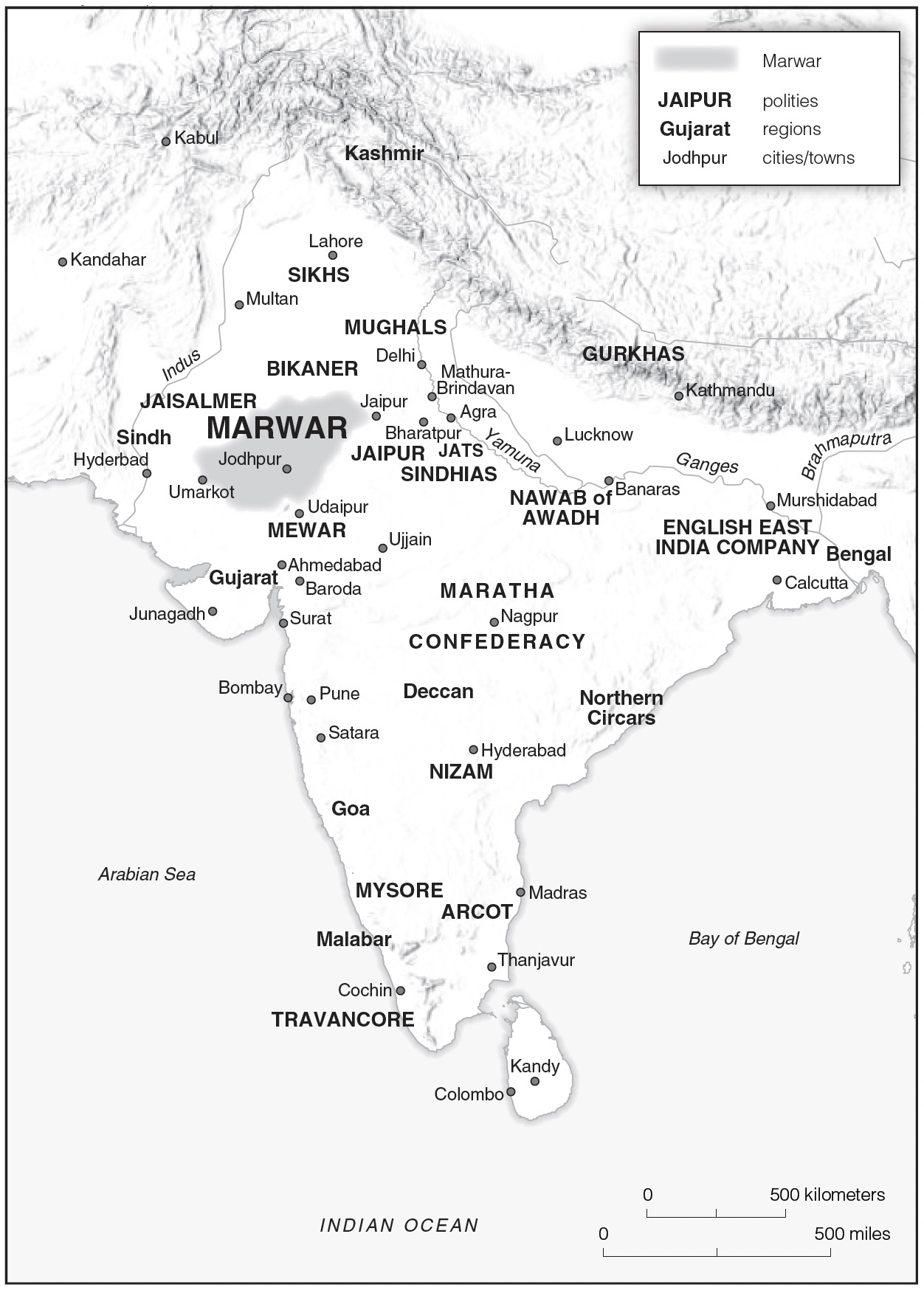
Marwar was largely administered by merchants
The Rathor family ruled Marwar for centuries: allying first with the Delhi Sultanate, later serving as vassals of the Mughal Empire. After Aurangzeb’s death in 1707, Mughal authority weakened, and the Rathors became autonomous, but paying heavy tribute to the ascendant Marathas.
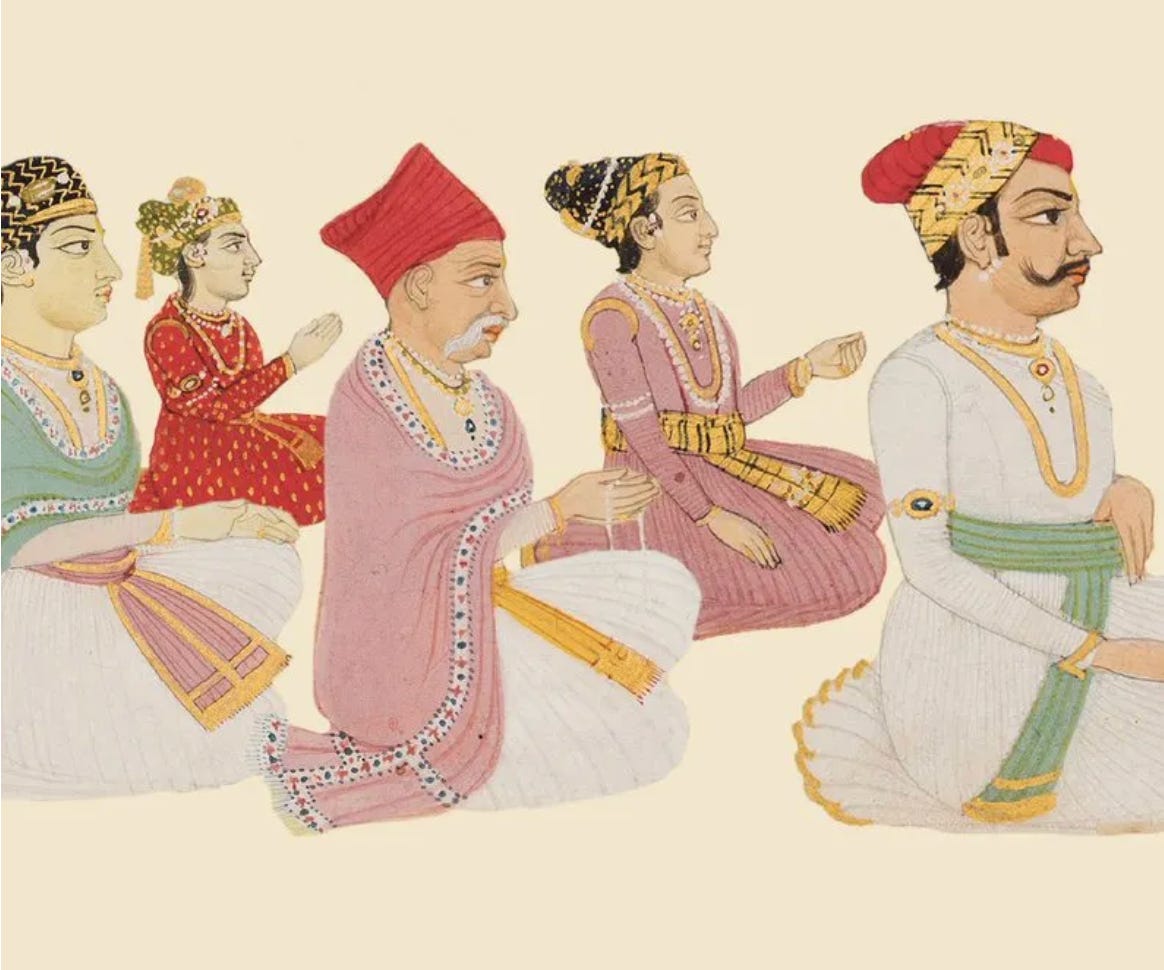
Simultaneously, Jain and Vaishnav merchants grew prosperous from foreign trade and moneylending. They sought to convert this wealth into caste rank, thus lobbied the state to differentiate them from lower castes. By gaining reputations for piety (through strict vegetarianism, religious donations), they may have gained creditworthiness.
These wealthy and literate merchants also staffed the Marwar state: overseeing state finances, the military, district governorships, treasuries and mints. As Cherian notes, Rathor kings may have been reluctant to appoint their own rajput kinsmen (who might claim the throne).
This case study of 18th century Marwar thus provides useful insights into how caste played out in the absence of British colonialism.
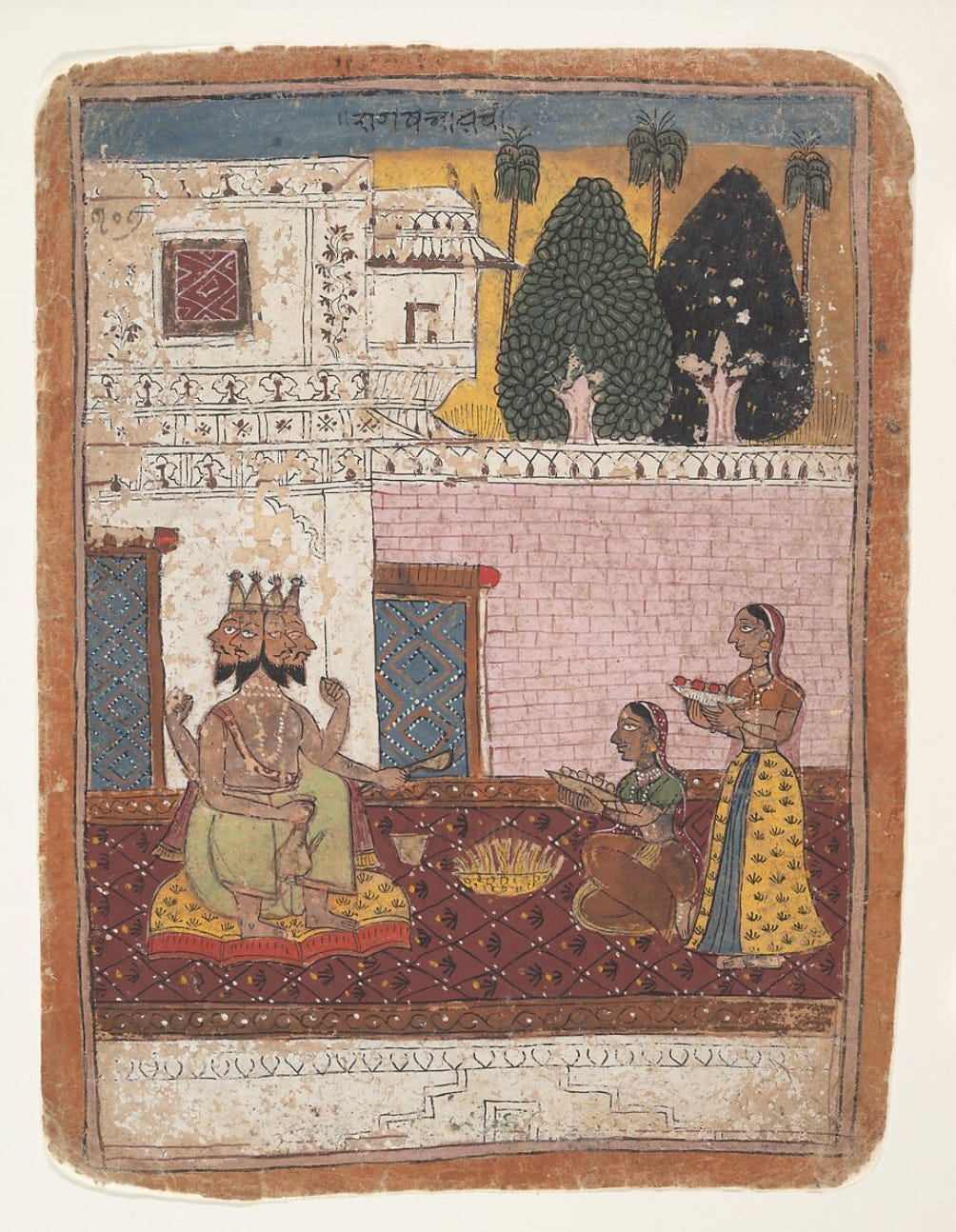
Purity
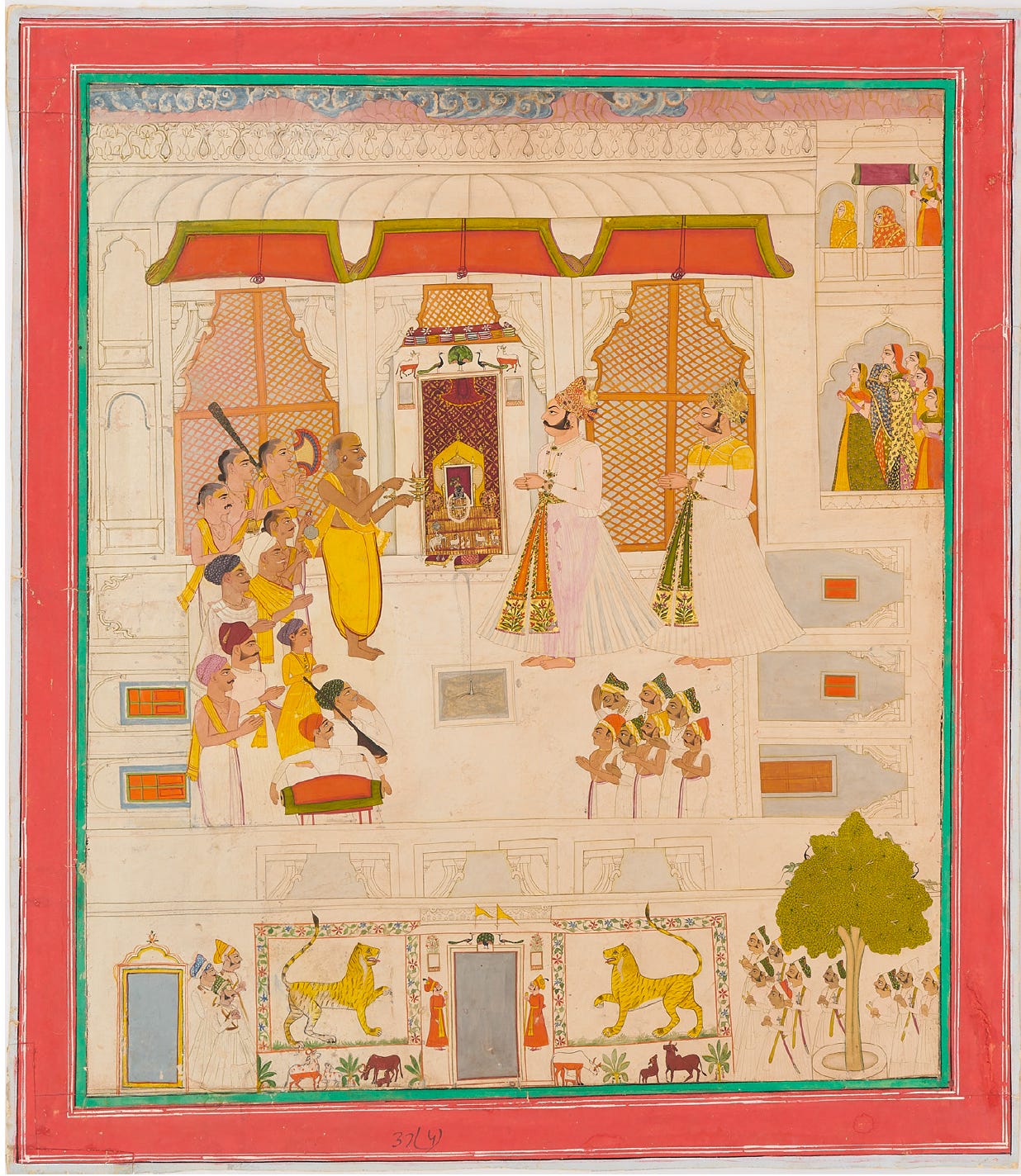
King Vijai Singh presented himself as a devotee of Krishna, as part of the Vaishnav sect, which elevated non-harm and vegetarianism. From 1785, the state defined Hindus as all those who were neither leatherworkers, sweepers, vagrants or Muslims.
According to Hindu jurisprudence (smrti commentaries), the king’s overarching duty is to preserve dharma (moral order), but the specifics varied tremendously, with heterogeneity by caste, life stage, and local custom.
Invoking that ideology of varna, merchants repeatedly pressed the state to uphold dharma - such as by enforcing spatial segregation between themselves and lower castes. This was not an ‘invention’ of caste hierarchy; rather they were using their growing wealth and power within the state to over-ride historic custom and intervene to affirm their rank.
To this end, merchants repeatedly organized across diverse jatis and faiths (Jain, Vaishnav, Shaiva), allying with high caste Brahmins. For example:
“living next to a leatherworker violates my dharma,”
“if they drink water there [or away from ‘us’], my dharma will remain intact” (Cherian 2023, 46-47).
In 1784, the mahajans (merchants) of Sojhat urged the crown to prohibit district officers from bringing their low caste washermen and barbers to their wedding feasts. The crown agreed, ordering its district officers to stop this custom.
Caveats
Let me add two crucial caveats. First, the available records attest more to orders than outcomes. Even where outcomes are mentioned, we see that segregation and expulsion orders were repeatedly defied, and the crown to re-issue its demands. This can be seen as a reflection of state weakness. Second, the book does not state what share of petitions came from merchants.
Pollution
Leatherwork - skinning dead carcasses and treating hides - was seen as ritually defiling. Many of these workers were trapped in debt and bonded labor to rural landlords and moneylenders. Proximity to these workers was itself polluting, mixing was undesirable.
In 1775, brahmin and merchants successfully petitioned the state to forcibly resettle the leather-working jatiyas of Merta, who had previously been their neighbors (Cherian 2023, 50).
In 1785, the mahajans of Pali asked the state to end the existing practice of all townspeople drawing water from the same tanks and stepwells; they requested segregated access. The Rathor crown ordered the local governor to ensure that “superior castes” (brahmins, mahajans, and others) filled water from one bank, and Untouchable castes from another (Cherian 2023, 56).
Untouchable
In 1785, the state referred to leatherworker castes, sweepers and Muslims as achhep. This same label was consistently used to refer to castes with whom contact was deemed spiritually polluting (Cherian 2023, 57).
In Jalor, the magistrate complained to the crown that the governor was housing untouchable and elite castes in the same prison cells. The brahmin representative of the crown affirmed that they would henceforth uphold spatial segregation in prison.
“How can you house rajputs, mahajans, et cetera, together with Untouchables (rājpūt mahājan vagairai nu achhep bhelā kīṇ tarai rakhnī āvai)?” (Cherian 2023, 58).
Thus while others have highlighted untouchability in early modern poetry and religious texts, Cherian shows how it was invoked by aspirational elites and enforced by the state.
Muslims were also Untouchables
Administrative documents also reveal how Muslims were often lumped with other low castes, classed as Untouchable and lowly. A number of castes sought the state to intervene to enforce spatial segregation against Muslims, while targeted Muslims usually replied that they had previously lived together peacefully for generations.
In 1788, a mahajan (merchant) in state office decreed that the custom of Hindus and Muslims drawing water from the same wells in Didwana town was to end. Henceforth, they should use separate wells (Cherian 2023, 63).
Thus while some argue that religious differences arrived with the British, these two categories were already in use in pre-colonial Marwar. Cherian further notes that the 17th century Sisodiya rajput rulers of Udaipur had previously propagated stories of resistance against Muslim aggressors, who were enemies of a Hindu dharma.
Chastity
For 18th century rajput, brahmin and mahajan groups, a woman should only have sex within one marriage. If her husband died, she should remain chaste. And that chastity was intricately linked to the honor of her male kin, husband and caste.
The state punished lagvāḍ and chāmchorī - illicit sexual relations that violated norms of caste and religion. In Didwana, it imposed a fine of 145 rupees against the family of a young man from a weaver caste who had impregnated a mahajan widow (Cherian 2023, 145).
Reading these cases, we realize that jatis were not only self-policing, but actively reported on others and petitioned the state to punish any man who trespassed against caste purity.
Bravo Divya Cherian!
In Merchants of Virtue, Cherian suggests that upwardly mobile elites sought to leverage their wealth and state power so as to gain status, petitioning the state to enforce spatial segregation and differentiate them from lower castes and Muslims.
This is a good example of how economic and state development is always mediated by culture. Since jatis relied on fellow members for credit, commerce and marriage, and reputations for piety may have strengthened their creditworthiness, it may have paid to lobby for the mercantile group, jockeying for status within the caste hierarchy.
While British colonialism may have exacerbated aspects of the caste system (such as by allying with dominant groups, appointing Brahmin pandits to codify diverse smrti, or by categorizing groups in the census), it is notable the pre-colonial Rathor state was upholding caste hierarchy and religious divisions.
Going forwards, it would be valuable to learn if similar dynamics played out elsewhere: were upwardly mobile jatis key enforcers of caste hierarchy, and had spatial segregation been weaker under the Mughals?
Indian merchants were unique in that they had always used their wealth to assert their caste status and Marwadi merchants to this day in every part of the country use their wealth to assert social power. Even in the biggest of cities like Mumbai they live in clan enclaves ensuring that no one else buys property in the locality they live in through an informal network of tacit bullying. Financially precarious members of their community aren’t allowed to sell their property to outsiders and are instead expected to sell, rent or borrow money through this informal network. This has led to them creating the only all-vegeterian McDonald’s franchise outlet in India to be in that neighbourhood. It is possibly the only all-vegeterian one in the world.
Fascinating. My mind goes to Ancient Rome because I’ve been reading about it lately. While the aristocrats looked down on trade, they relied on merchants to maintain their wealth. I’m sure there must be instances of merchants who used their wealth to influence state power back then.